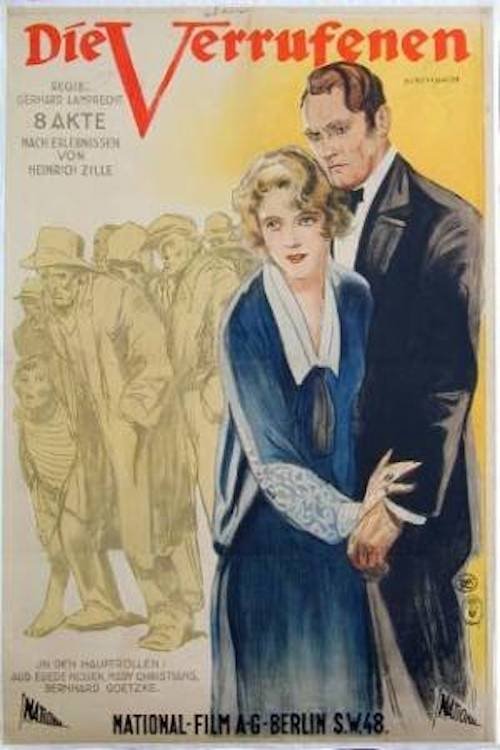
In the Slums of Berlin
1925
No user ratings available yet
Representation score: 5.6 out of 10
Representation Score
Limited
1924
Not RatedDirector
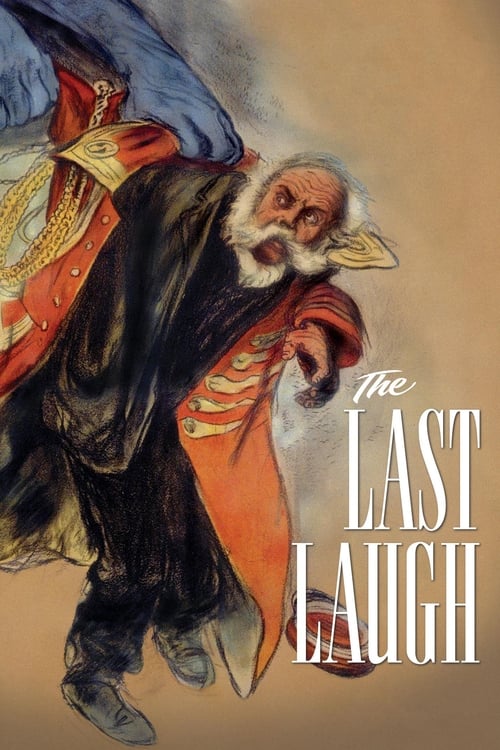
F. W. Murnau
Runtime
90 minutes
Average Rating
No ratings yetNew Showbiz Analysis
Murnau’s masterpiece is a profound exploration of identity and social stratification. It excels at critiquing the dehumanizing effects of rigid hierarchies, using the protagonist's decline to challenge the notion that social utility defines human value. However, the film lacks diverse representation. The narrative is heavily centered on a singular male perspective and a homogeneous European social environment, offering limited representation of varied racial, ethnic, or LGBTQ+ identities. Ultimately, while the film is a landmark of expressionism, its focus remains narrow, prioritizing class-based social critique over a broad spectrum of human experiences.
Category Breakdown
The film does not include any obvious references to LGBTQ+ identities or queer themes. The story focuses solely on the protagonist's social status and family life.
The film follows traditional gender roles from the early 20th century. The story revolves around a male protagonist losing his authority, while female characters mainly serve as domestic figures rather than independent actors.
The setting showcases a uniform European social class from the 1920s era. There is no diverse cast, emphasizing class differences within a single ethnic community.
The film offers a sophisticated critique of capitalist systems and strict class hierarchies. It highlights how institutions judge individuals based on usefulness rather than inherent worth.
The film presents a powerful depiction of psychological distress and mental fragility. However, it uses the protagonist's breakdown as a tragic plot device without delving into neurodivergence with depth.
Present on Screen
Limited or Absent
Official Synopsis
An aging doorman, after being fired from his prestigious job at a luxurious hotel, is forced to face the scorn of his friends, neighbours and society.
1925
1952
1955
1961
1930

1924
1911

1977
No reviews yet. Be the first to share your thoughts on this movie!
Use the rating form above to leave a star rating and optional review.