
Alphaville
1965
No user ratings available yet
Representation score: 3.8 out of 10
Representation Score
Fair
1927
NRDirector
Fritz Lang
Runtime
148 minutes
Average Rating
No ratings yetNew Showbiz Analysis
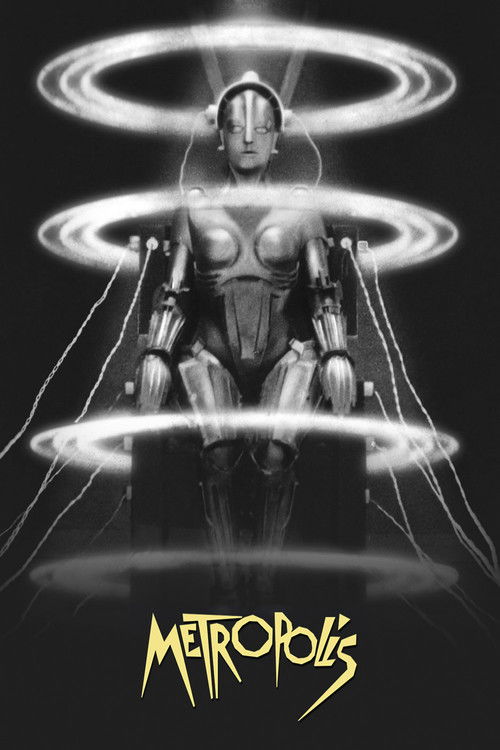
Metropolis is a pioneering science fiction film that emphasizes socioeconomic critiques rather than contemporary identity politics. Its strength lies in its intricate examination of institutional oppression and the dehumanizing effects of capitalism. However, the film is constrained by its historical context. It lacks racial and LGBTQ+ diversity, focusing instead on class-based struggles. Ultimately, the film's impact stems from its exploration of power dynamics and the tension between the 'head' and the 'hands' of society.
Category Breakdown
The film does not include any LGBTQ+ characters or relationships outside of heterosexual ones. The main romance follows a traditional storyline between Freder and Maria.
Femininity is portrayed through the contrast between Maria, who embodies purity and grace, and the robotic double, which represents a subversive, artificial version of femininity.
The cast is primarily white, reflecting the demographics of 1927 German cinema. Social distinctions are based on class rather than race.
The film provides a deep critique of industrial capitalism and class divisions. It highlights the importance of the 'heart' as a mediator between the ruling class and the working class.
While not a primary theme, the film shows the physical strain of industrial work. Workers are depicted as part of the machinery, facing a systemic loss of individuality.
Present on Screen
Limited or Absent
Official Synopsis
In a futuristic city sharply divided between the rich and the poor, the son of the city's mastermind meets a prophet who predicts the coming of a savior to mediate their differences.
1965

1936

2003

1929

1983

1960

1954

1951
No reviews yet. Be the first to share your thoughts on this movie!
Use the rating form above to leave a star rating and optional review.