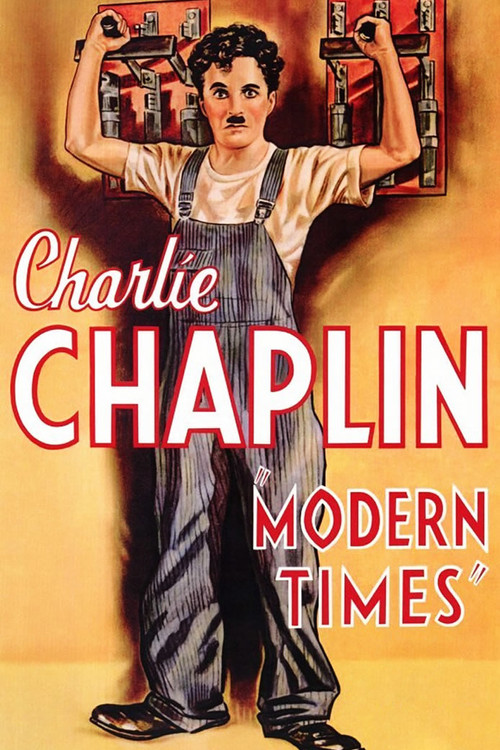
Modern Times
1936
No user ratings available yet
Diversity score: 5.2 out of 10

1921
NRDirector
Charlie Chaplin
Runtime
68 minutes
Average Rating
No ratings yetSynopsis
A tramp cares for a boy after he's abandoned as a newborn by his mother. Later the mother has a change of heart and aches to be reunited with her son.
Overall Score
Fair
Category Breakdown
LGBTQ+ Representation
The film contains no LGBTQ+ characters or narratives. The story focuses exclusively on the paternal bond and biological maternal connections.
Gender Representation
The narrative centers on a male-led domestic unit. While women play significant roles as the mother and orphanage matron, they are often framed through their relationships to the male protagonists.
Racial & Ethnic Diversity
The cast is largely homogeneous, reflecting the demographic realities and social constraints of 1921. It does not feature diverse ethnic ensembles or race-bent casting.
Religious & Cultural Diversity
The film provides a sophisticated critique of Western institutions like orphanages and law enforcement. It portrays these systems as cold, impersonal forces that exacerbate the plight of the impoverished.
Disability Representation
There are no specific depictions of physical or neurodivergent disabilities. However, the film captures the physical and psychological toll of extreme poverty and systemic instability.
Strengths
Areas for Improvement
AI Analysis
The Kid is a foundational study in socioeconomic critique that prioritizes the resilience of the disenfranchised over standard comedic tropes. It succeeds by deconstructing legal morality and championing the moral agency of the underclass against indifferent institutions. However, the film lacks modern demographic intersectionality. The cast is largely homogeneous, and the narrative structure adheres to the traditional gender hierarchies of the early 1920s. Ultimately, the film's strength lies in its cultural commentary. It uses the struggle of the individual against a socioeconomic machine to provide a nuanced, humanistic view of poverty.
1936
1925
1931

1915
1928

1923

1915
No reviews yet. Be the first to share your thoughts on this movie!
Use the rating form above to leave a star rating and optional review.