
Gunga Din
1939
No user ratings available yet
Representation score: 0.5 out of 10
Representation Score
Minimal
1926
PassedDirector
Clyde Bruckman, Buster Keaton
Runtime
79 minutes
Average Rating
No ratings yetNew Showbiz Analysis
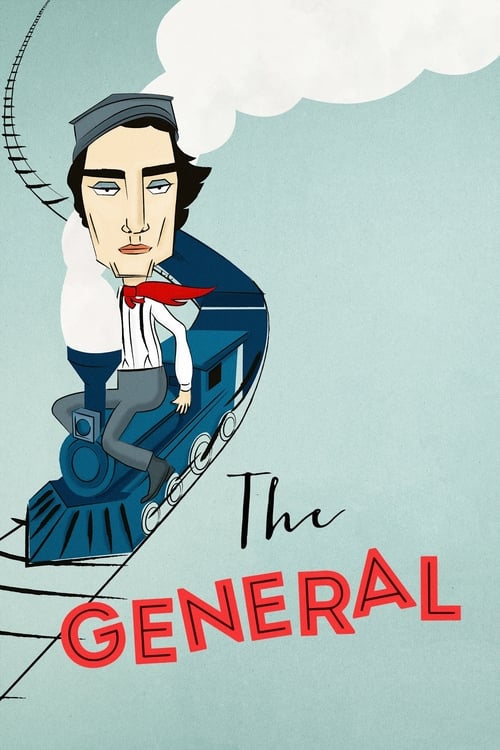
The General is a technical marvel of silent cinema, emphasizing physical storytelling and individual heroism. Its narrative structure is based on the traditional themes of the 1920s, focusing on the recovery of property and romantic pursuits. While the film showcases exceptional stunt coordination and mechanical adventure, it does not challenge conventional social or gender hierarchies. The story remains anchored in the socio-political tensions of the Civil War era without providing deeper layers of diversity.
Category Breakdown
The film focuses on traditional heterosexual relationships and does not include characters with diverse gender identities.
The film adheres to early 20th-century gender roles where the male protagonist controls the plot, and the female character serves mainly as a motivation for the male lead’s actions.
The cast is uniform, reflecting the historical context of the American Civil War without incorporating diverse ethnic perspectives or challenging the era's racial dynamics.
The narrative highlights property rights and individual merit, celebrating technical achievements and moral clarity without critiquing the societal institutions of the time.
No characters with visible or invisible disabilities are featured as central figures. The humor depends on the protagonist's physical resilience.
Present on Screen
Limited or Absent
Official Synopsis
During America’s Civil War, Union spies steal engineer Johnny Gray's beloved locomotive, 'The General'—with Johnnie's lady love aboard an attached boxcar—and he single-handedly must do all in his power to both get The General back and to rescue Annabelle.
1939
1924
1970
1942
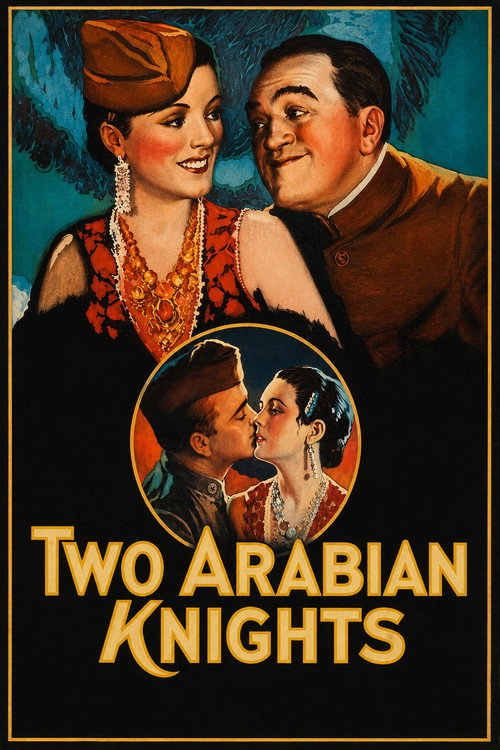
1927

1952
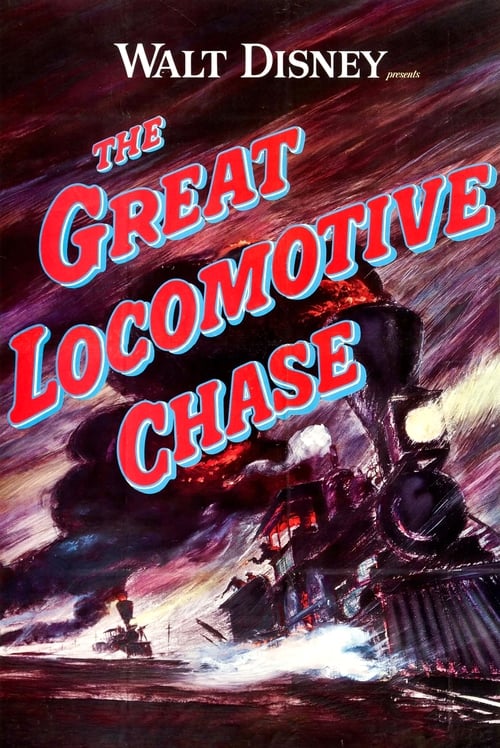
1956
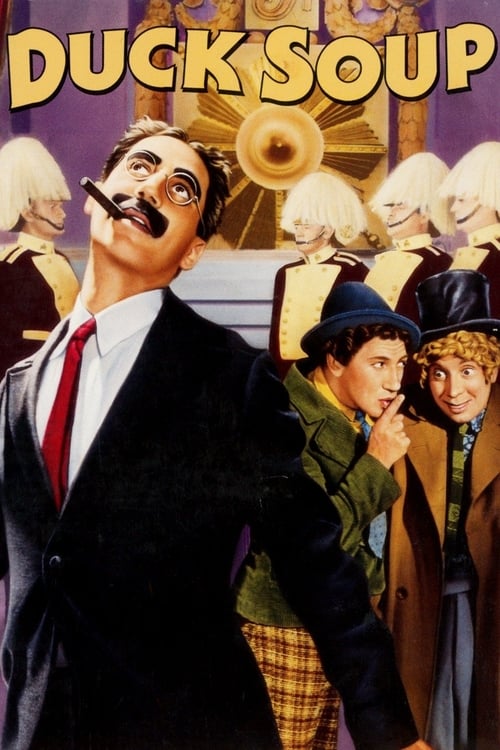
1933
No reviews yet. Be the first to share your thoughts on this movie!
Use the rating form above to leave a star rating and optional review.