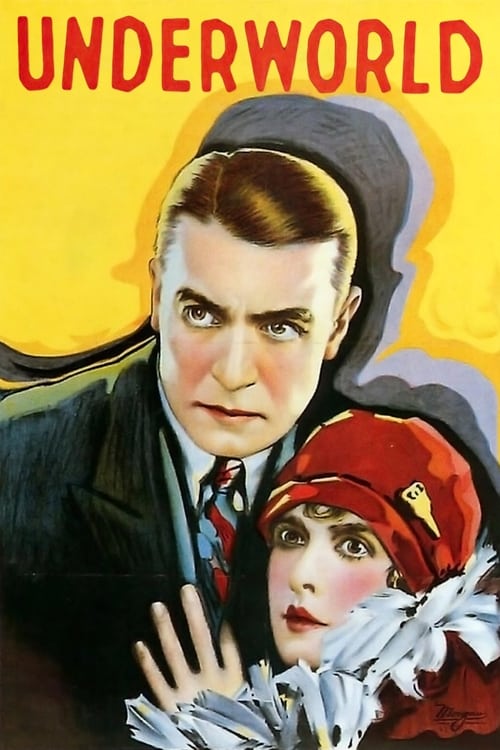
Underworld
1927
No user ratings available yet
Representation score: 1.9 out of 10

Representation Score
Excellent
1929
NRDirector
G.W. Pabst
Runtime
141 minutes
Average Rating
No ratings yetNew Showbiz Analysis
G.W. Pabst’s masterpiece is a sophisticated deconstruction of bourgeois morality. It excels in subverting traditional gender roles by centering a proactive female protagonist who drives the narrative. The film also provides a profound critique of Western moral and social institutions, exposing their hypocrisy and corruption. However, the work is limited by the era's constraints, showing minimal racial diversity and a lack of explicit LGBTQ+ representation. Additionally, the use of psychological instability as a metaphor for social decay limits the nuanced portrayal of mental health issues.
Category Breakdown
The film does not explicitly depict LGBTQ+ characters or same-sex relationships. However, it explores the fluidity of desire and challenges traditional assumptions about sexuality.
The film features a proactive female protagonist named Lulu who disrupts traditional gender roles. Men in the story are shown to be driven to irrational obsession, shifting power dynamics towards the female lead.
The story focuses on the class divisions of the Weimar Republic, with no representation of non-white or non-Anglo-Saxon characters. It prioritizes the exploration of European socioeconomic issues.
The film offers a critical look at Western institutions and Christian morality. It portrays the hypocrisy of bourgeois respectability and highlights the corruption within traditional social structures.
The film does not focus on specific disabilities. Instead, it uses psychological instability and madness as thematic metaphors for social decay, rather than providing nuanced portrayals of mental health conditions.
Present on Screen
Limited or Absent
Official Synopsis
The rise and inevitable fall of an amoral but naive young woman whose insouciant eroticism inspires lust and violence in those around her.
1927
1931
1967
1927
1953

1930
1918
1934
No reviews yet. Be the first to share your thoughts on this movie!
Use the rating form above to leave a star rating and optional review.