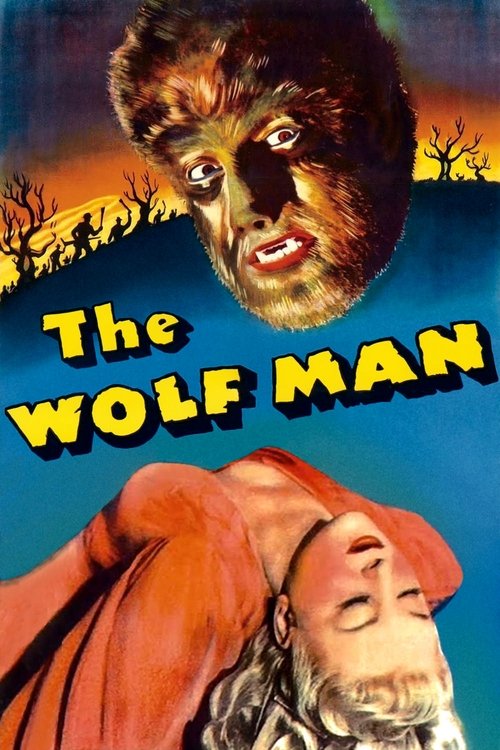
The Wolf Man
1941
No user ratings available yet
Diversity score: 2.2 out of 10
1925
NRDirector
Rupert Julian
Runtime
107 minutes
Average Rating
No ratings yetSynopsis
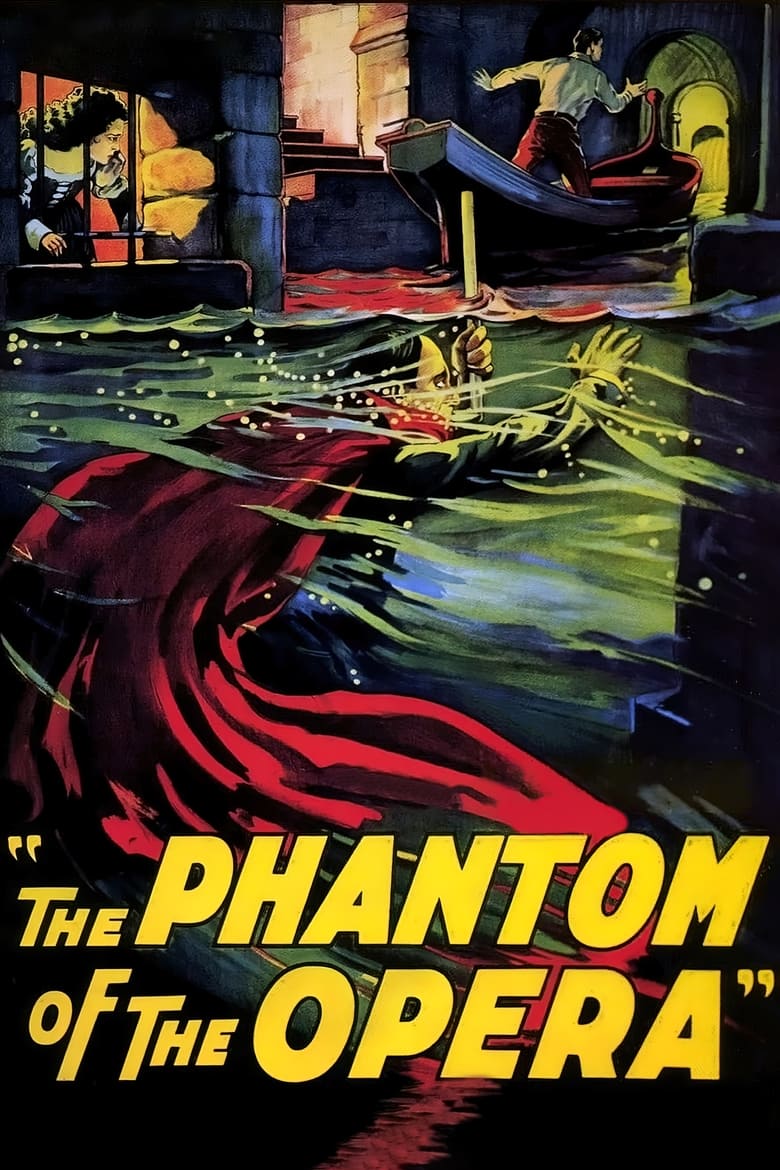
The deformed Phantom who haunts the Paris Opera House causes murder and mayhem in an attempt to make the woman he loves a star.
Overall Score
Limited
Category Breakdown
LGBTQ+ Representation
The film follows a strictly heteronormative romantic triangle. There are no depictions of non-cisnormative identities or critiques of traditional romantic frameworks.
Gender Representation
Christine Daaé serves primarily as a passive object of male obsession. The narrative adheres to traditional hierarchies where the female lead's role is defined by vulnerability.
Racial & Ethnic Diversity
The production features a homogeneous cast reflecting the Western European focus of 1925. It lacks intentional racial blending or non-Anglo-Saxon representation.
Religious & Cultural Diversity
The story functions as a Gothic tragedy rather than a critique of societal institutions. It utilizes the opera house setting to heighten classical melodrama without challenging established norms.
Disability Representation
The plot centers on the Phantom's physical deformity. While the character is complex and driven, the portrayal leans into the 'grotesque' archetype to fuel horror.
Strengths
Areas for Improvement
AI Analysis
This silent era landmark is a definitive example of Gothic melodrama, prioritizing genre tropes over social subversion. It relies on traditional narrative structures that reflect the era's social constraints. The film offers a complex study of isolation through the Phantom, yet it remains tethered to early 20th-century preoccupations with physical 'otherness.' This creates a central figure of interest that is still framed through a lens of horror. Ultimately, the production lacks intersectional depth. It operates within a homogeneous framework that avoids challenging the status quo of its time.
1941
1920

2000
2007
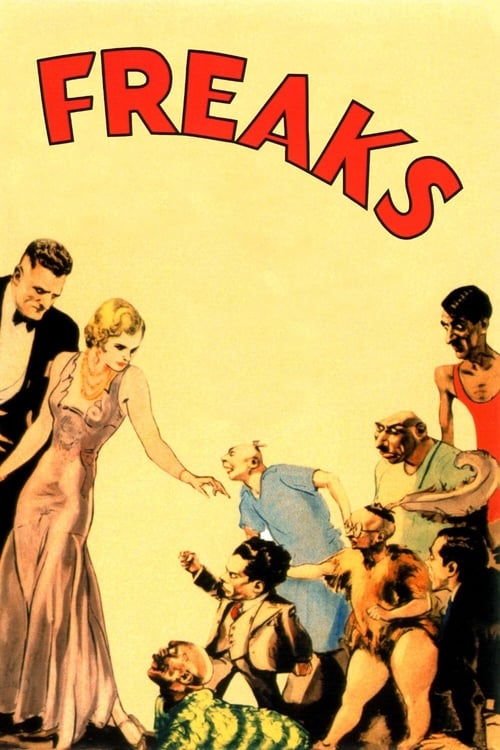
1932
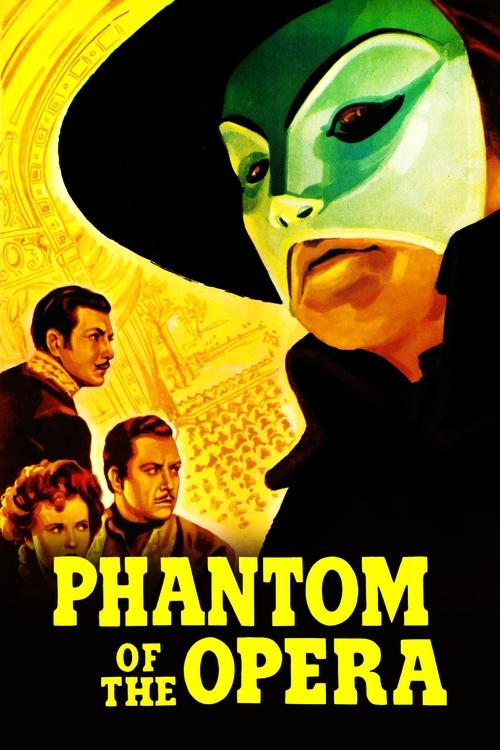
1943
1944
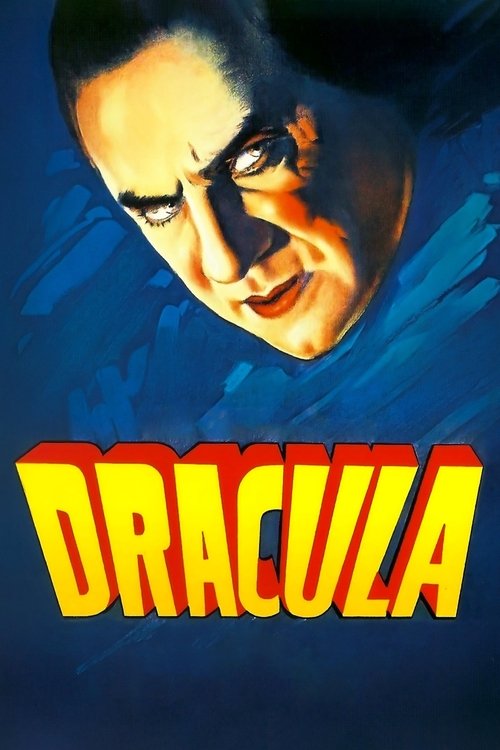
1931
1996
1932
1936
1942
No reviews yet. Be the first to share your thoughts on this movie!
Use the rating form above to leave a star rating and optional review.