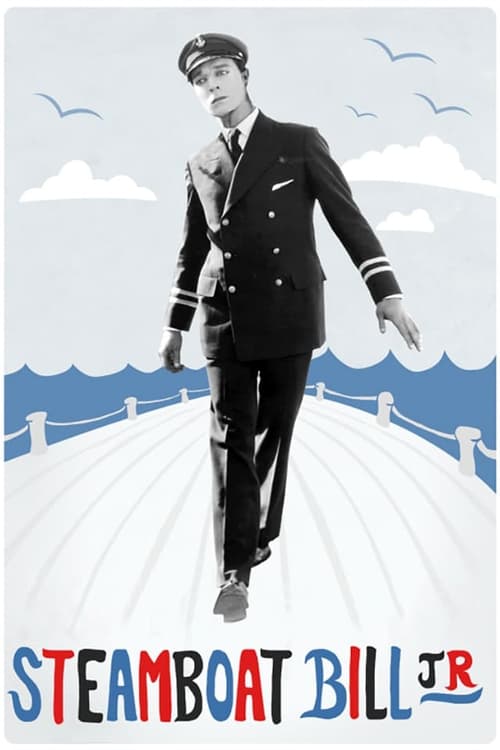
Steamboat Bill, Jr.
1928
No user ratings available yet
Representation score: 2.2 out of 10
Representation Score
Limited
1923
NRDirector
Buster Keaton, John G. Blystone
Runtime
73 minutes
Average Rating
No ratings yetNew Showbiz Analysis
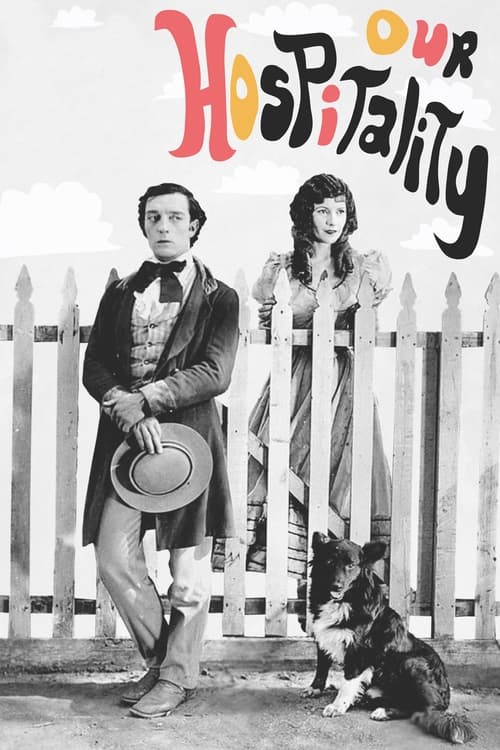
Our Hospitality is a classic silent slapstick comedy that emphasizes kinetic storytelling and physical movement over social exploration. The narrative focuses on the protagonist's struggle against chaotic environmental forces and a family vendetta. Produced in 1923, the film reflects the social and demographic norms of its time, maintaining traditional structures and homogeneity. Ultimately, it serves as a showcase for Buster Keaton's technical skills in physical comedy and spatial geometry, without engaging deeply with identity or social critique.
Category Breakdown
The film follows traditional silent-era romantic clichés, focusing on a heterosexual courtship without exploring non-cisgender identities.
Gender roles adhere to early 20th-century norms. The female lead serves mainly as the object of affection and a catalyst for the central family conflict.
The cast is predominantly white, reflecting the demographic norms of the 1920s. There is no evidence of racially diverse casting or non-white majority ensembles.
The story centers on traditional Western values of family honor and hospitality. It uses the frontier setting for physical comedy rather than social critique.
Physical mishaps are portrayed through comedic resilience, serving slapstick purposes rather than addressing disability issues.
Present on Screen
Limited or Absent
Official Synopsis
A young man falls for a young woman on his trip home; unbeknownst to him, her family has vowed to kill every member of his family.
1928
1928

1924
1934

2021
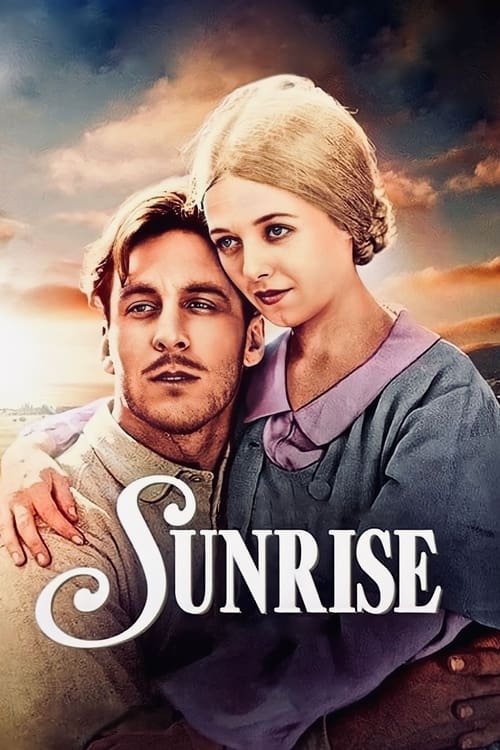
1927
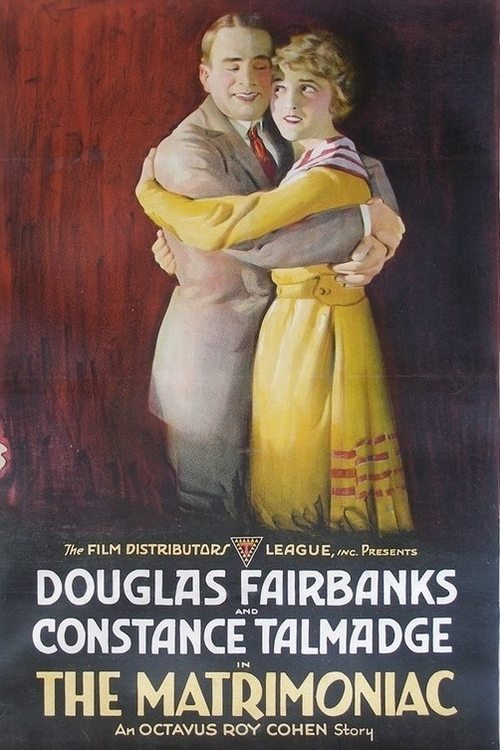
1916
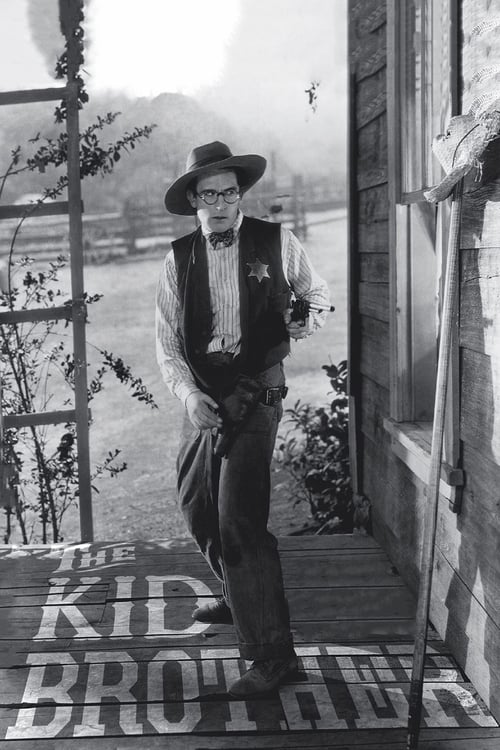
1927
No reviews yet. Be the first to share your thoughts on this movie!
Use the rating form above to leave a star rating and optional review.