
The Trial of Joan of Arc
1963
No user ratings available yet
Representation score: 6.1 out of 10
Representation Score
Good
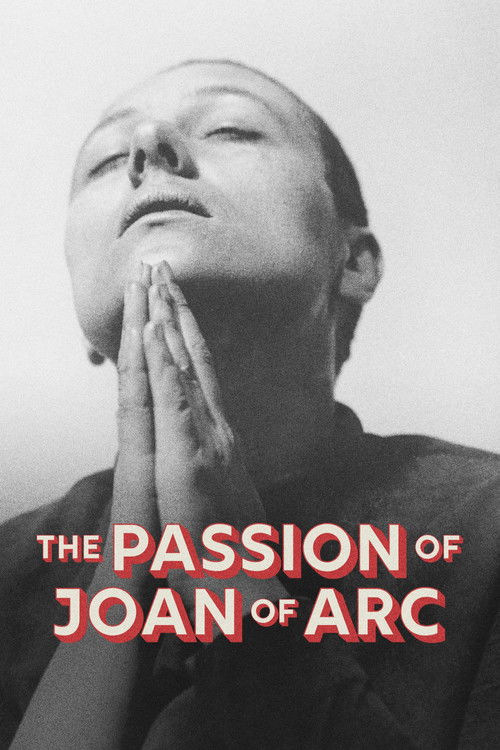
1928
NRDirector
Carl Theodor Dreyer
Runtime
81 minutes
Average Rating
No ratings yetNew Showbiz Analysis
Dreyer’s masterpiece is a profound exploration of individual autonomy versus institutional oppression. By focusing on a woman’s resistance to a patriarchal judicial system, it achieves a high level of women's ability to drive the story. The film’s strength lies in its critique of centralized authority. It portrays religious and legal institutions as coercive forces, emphasizing the protagonist's spiritual truth over systemic dogma. While the film lacks modern demographic diversity and LGBTQ+ representation, its narrative structure remains progressive. It uses the historical setting to explore universal themes of psychological torment and moral conviction.
Category Breakdown
The film does not include any LGBTQ+ characters or narratives. It focuses on the spiritual and legal struggles of the protagonist set in a 15th-century context.
The story centers around a female protagonist who actively resists a male-dominated hierarchy. She drives the ethical conflict rather than being a passive participant.
Casting reflects the historical context of 15th-century France. It avoids modern multi-layered blending and stays true to the historical setting without whitewashing.
The film criticizes the Church as an oppressive, legalistic institution. It emphasizes individual subjective morality over the dogmatic, institutional truths imposed by the state and religion.
The film does not focus on specific disabilities. However, it highlights the protagonist's psychological vulnerability and the sensory overload she experiences during her interrogation.
Present on Screen
Limited or Absent
Official Synopsis
A classic of the silent age, this film tells the story of the doomed but ultimately canonized 15th-century teenage warrior. On trial for claiming she'd spoken to God, Jeanne d'Arc is subjected to inhumane treatment and scare tactics at the hands of church court officials. Initially bullied into changing her story, Jeanne eventually opts for what she sees as the truth. Her punishment, a famously brutal execution, earns her perpetual martyrdom.
1963
1943

1900
1993
1954

1953

1948

1999
No reviews yet. Be the first to share your thoughts on this movie!
Use the rating form above to leave a star rating and optional review.