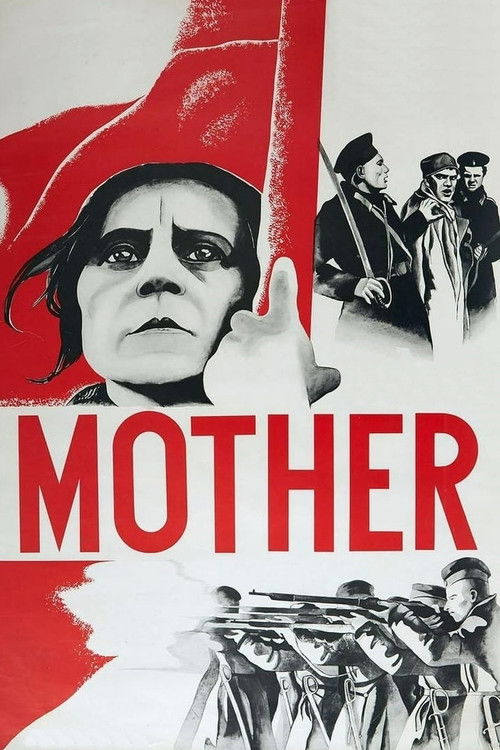
Mother
1926
No user ratings available yet
Representation score: 4.5 out of 10

Representation Score
Fair
1925
Not RatedDirector
Sergei Eisenstein
Runtime
89 minutes
Average Rating
No ratings yetNew Showbiz Analysis
Eisenstein’s masterpiece emphasizes systemic class dynamics over individual identity. By focusing on the collective, the film shifts attention from personal demographics to the broader struggle of workers. While the film scores low in contemporary categories like LGBTQ+ and racial diversity, it excels in its radical critique of institutional power. It dismantles the legitimacy of economic and political hierarchies through a powerful anti-capitalist lens. Ultimately, the work serves as a foundational text of Marxist cinema, where the revolutionary struggle is the central ethical driver of the narrative.
Category Breakdown
The film does not depict any non-straight relationships or queer narratives. The focus is entirely on the socioeconomic struggles of workers.
Women are shown as part of worker groups but are not highlighted as individual agents. Gender is subsumed into the identity of the worker.
Set in pre-revolutionary Russia, the film depicts a largely homogeneous ethnic landscape. There is no significant racial diversity.
This seminal anti-capitalist work criticizes Western industrial capitalism and state authority. It portrays the ruling class and military as oppressive and exploitative.
There is no intentional representation of disability. Physical suffering is used symbolically to show state brutality rather than to provide nuanced characterization.
Present on Screen
Limited or Absent
Official Synopsis
Workers in a factory in pre-revolutionary Russia go on strike and are met by violent suppression.
1926
1928

1947

1929

1927
1954
1929
1928
No reviews yet. Be the first to share your thoughts on this movie!
Use the rating form above to leave a star rating and optional review.