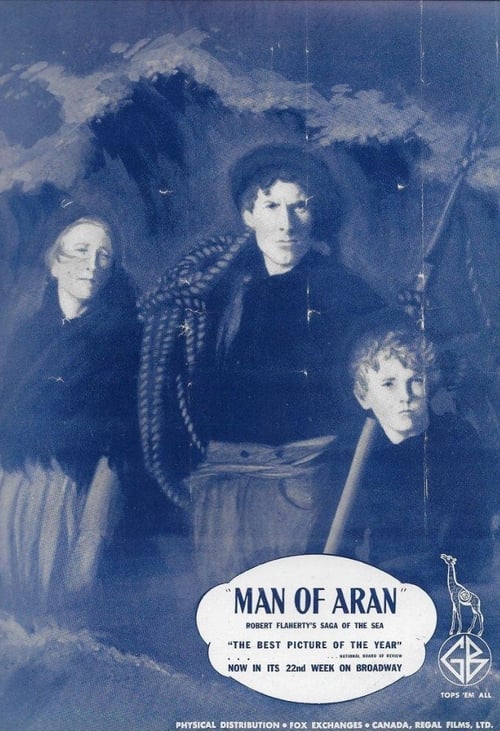
Man of Aran
1934
No user ratings available yet
Representation score: 1.3 out of 10
Representation Score
Minimal
1922
PassedDirector
Robert Flaherty
Runtime
79 minutes
Average Rating
No ratings yetNew Showbiz Analysis
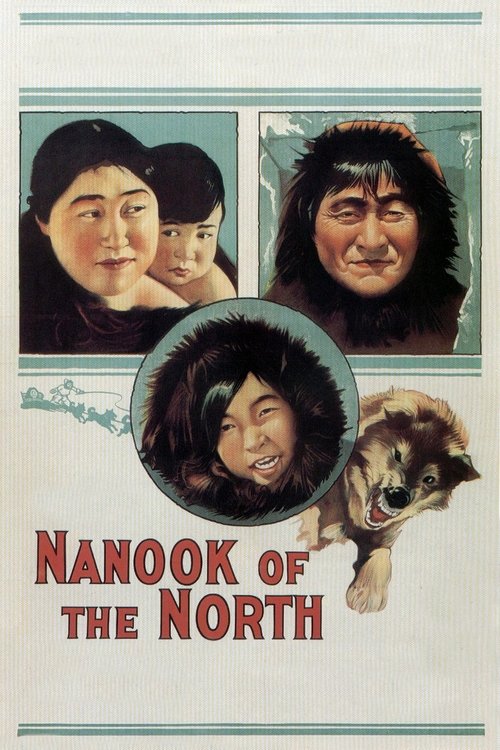
Nanook of the North offers important visibility to the Inuit people, breaking away from purely Western-centric storytelling. However, the film presents the Inuit lifestyle through a colonial lens, emphasizing outdated traditions to cater to Western romanticism. This portrayal strips the subjects of their contemporary ability to act. Additionally, the film reinforces strict social hierarchies, presenting a traditional division of labor and a straight-centered family structure.
Category Breakdown
The film does not depict any LGBTQ identities or stories. The narrative focuses solely on a traditional family structure.
Gender roles are clearly defined, with men primarily hunting and providing for the family, while women handle domestic tasks and organizing the camp.
The Inuit people are prominently featured, providing significant visibility to indigenous populations. However, the film portrays their traditions in a way that satisfies Western expectations of 'primitivity'.
The narrative highlights subsistence living and romanticized traditions. It avoids critiquing broader societal issues, focusing instead on the family's struggle to survive in a harsh environment.
There are no visible or invisible depictions of disability within the film.
Present on Screen
Limited or Absent
Official Synopsis
This pioneering documentary film depicts the lives of the indigenous Inuit people of Canada's northern Quebec region. Although the production contains some fictional elements, it vividly shows how its resourceful subjects survive in such a harsh climate, revealing how they construct their igloo homes and find food by hunting and fishing. The film also captures the beautiful, if unforgiving, frozen landscape of the Great White North, far removed from conventional civilization.
1934
2010

2001
2008

2005

2016

2013
1972
No reviews yet. Be the first to share your thoughts on this movie!
Use the rating form above to leave a star rating and optional review.