Annihilation
2018
RNo user ratings available yet
Representation score: 9.5 out of 10
These lists use approved gender representation scores for 2010s films that have written notes. Highest-scoring films are those whose notes describe more on-screen gender representation. Lowest-scoring films are those whose notes describe less. Neither list is a quality ranking.
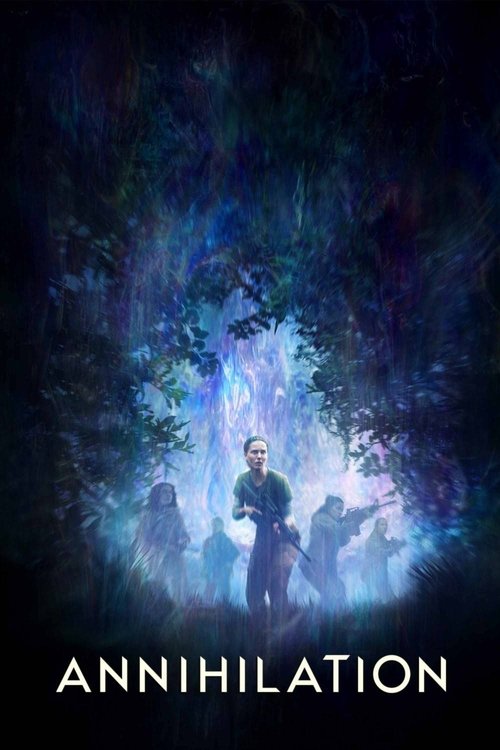
The film centers an all-female scientific expedition, subverting the typical male-dominated explorer cliché. Characters are defined by their professional expertise and control over their actions, rather than their relationships to men.
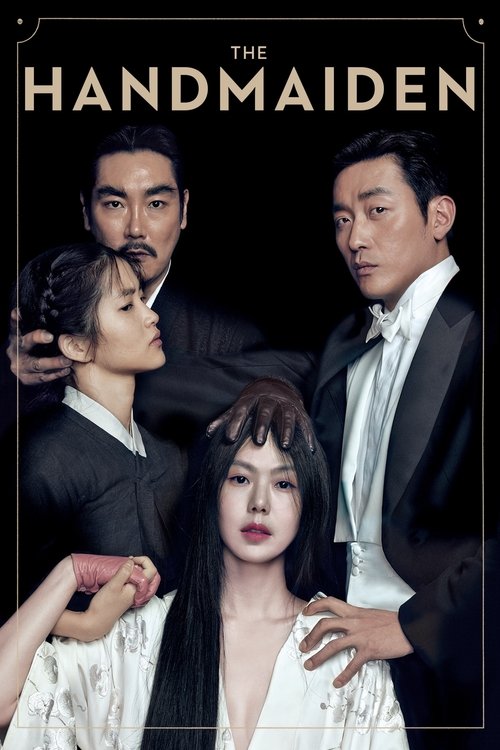
The film subverts traditional gender hierarchies by portraying male characters through a lens of moral decay and predatory manipulation. Female protagonists evolve from a master-servant dynamic into a unified partnership.
By focusing on the female perspective, the narrative challenges the idea of women as passive objects. Characters have significant intellectual and emotional influence, breaking down traditional patriarchal structures.
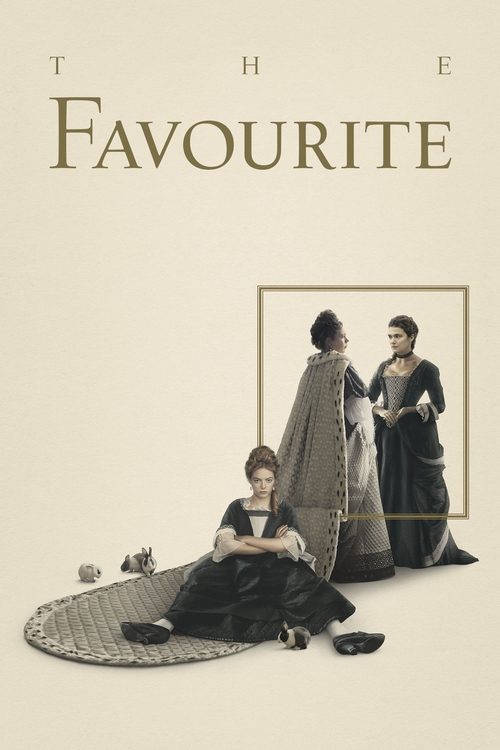
The film subverts the 'great man' theory by showcasing an entirely female-driven power struggle. Women exercise supreme intellectual and political influence through strategic manipulation and psychological warfare.
By removing men from the central power structure, the film emphasizes female intellect and leadership. Characters take control of their destinies rather than conforming to submissive roles.
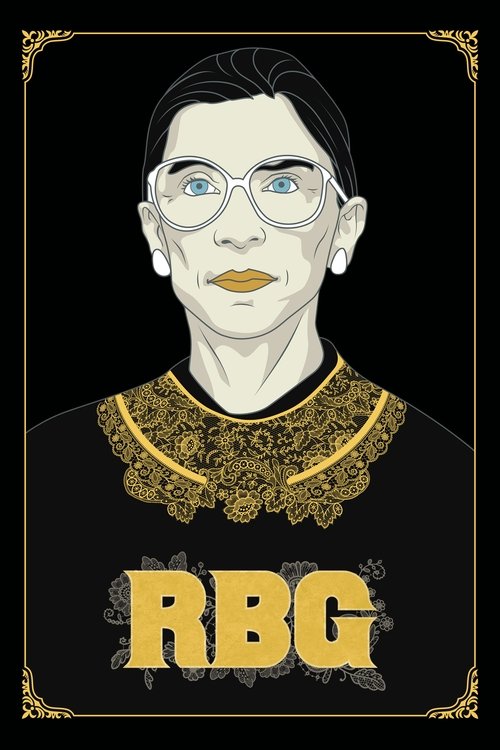
This documentary focuses on a woman's rise to prominence in a male-dominated environment. It challenges traditional power structures by highlighting Ginsburg's strategic legal battles against gender discrimination and her unconventional marital partnership.
Imperator Furiosa drives the plot and kills the tyrant. Max is a passive passenger and blood source.
Carol Danvers serves as a central figure with immense ability to act, dismantling male-coded military structures. The narrative celebrates female autonomy over submissive femininity, challenging traditional gender hierarchies.
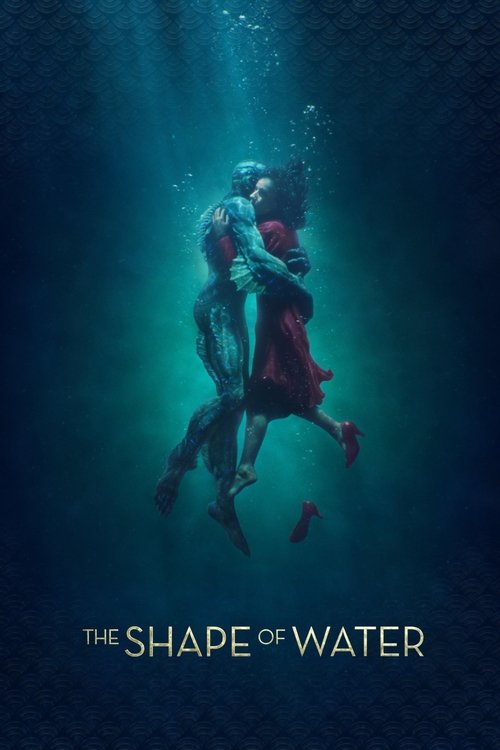
Elisa breaks down mid-century gender roles through her strong sense of ability to act and independence. The film also emphasizes female solidarity, showing women like Zelda as capable and important partners.
It deconstructs traditional masculinity by highlighting the psychological toll of performing toughness. The protagonist's vulnerability challenges rigid, narrow views of masculinity.
The story challenges traditional gender roles by linking the protagonist's role to transitions between male and female states. It effectively breaks down the idea of a fixed gender identity.
The film replaces male-dominated roles with an all-female cast, showcasing superior intellect and physical strength. This dismantles the 'damsel in distress' stereotype.
The film emphasizes female autonomy and desire, challenging traditional gender roles of the mid-1900s. The protagonists overcome legal and societal barriers to shape their own destinies.
This film serves as a profound critique of patriarchal hierarchies. It centers women as primary agents of change, subverting clichés of submissiveness by giving high ability to act to female protagonists.
Michèle Leblanc challenges the passive damsel in distress stereotype through her professional dominance and sexual autonomy. She actively drives the story rather than being controlled by others.
The film highlights Billie Jean King's leadership and ability to act, challenging traditional gender roles by showing the male tennis establishment as a barrier.
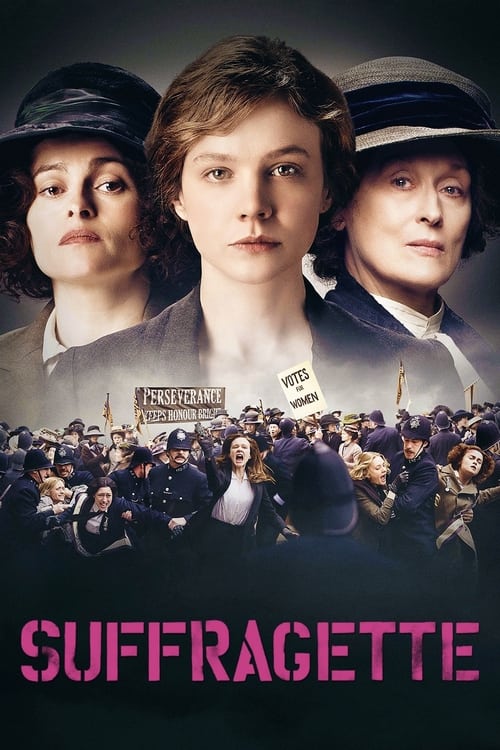
The story challenges traditional hierarchies by emphasizing female empowerment and political leadership. It portrays male-dominated institutions as oppressive forces, placing women at the forefront of social change.
This film is a powerful critique of patriarchal structures. It emphasizes the sisters' active roles as protagonists who resist traditional domestic submissiveness and male authority.
By placing women in positions of authority, the film critiques traditional masculine leadership. It portrays masculinity through domesticity and social vulnerability, challenging patriarchal norms.
Harriet Tubman is shown as the main driver of change, demonstrating strategic intelligence and leadership. The film challenges traditional gender roles by highlighting female leadership.
Elizabeth and Olive are portrayed as intellectual architects rather than submissive figures. The narrative elevates women's ability to drive the story by showing how their empowerment helped shape the Wonder Woman mythos.
Traditional gender hierarchies are challenged by focusing on female-coded and non-binary characters. Power comes from emotional intelligence and community support rather than traditional male dominance or physical strength.
The narrative challenges traditional gender roles by depicting the protagonist's complex transition, which questions the rigidity of gender norms and highlights the importance of personal identity.
Marina challenges traditional hierarchies by maintaining psychological control against patriarchal expectations. The narrative highlights the vulnerability of traditional family members when faced with her refusal to conform to societal roles.
This story turns traditional power structures upside down by emphasizing a matriarchal society where women's intelligence and magical abilities lead the plot.
Female characters have strong roles, showcasing intelligence and physical freedom. The convent provides a space for female-led enjoyment rather than strict religious rules.
The film challenges traditional gender hierarchies by emphasizing female intellect and ability to act. Male characters are often shown as vulnerable or incompetent, shifting the focus away from traditional patriarchal structures.
The narrative explicitly challenges traditional gender hierarchies by showing refined feminine archetypes as restrictive and performative. Protagonists take a leading role in dismantling a patriarchal system that views them as decorative objects.
The narrative critiques traditional gender roles by showing how women were economically disadvantaged. It illustrates how performing gender can be a crucial tool for survival in a patriarchal society.
The film offers a strong critique of patriarchal hierarchies and the suppression of women's power. It transforms the protagonist from a passive character into an active force of violence, challenging traditional gender roles.
Eva challenges traditional hierarchies through decisive action and strong ability to act. The film portrays masculine dominance as predatory, disrupting conventional power dynamics by centering a female protagonist who rejects social compliance.
Anne is a highly capable professional who challenges traditional gender roles. The narrative emphasizes her significant role in driving the story and her subjective desires, defying the cliché of the stable wife.
Nedjma drives the plot by using fashion as a form of intellectual defiance. The film highlights female resilience against oppressive religious authorities.
This documentary stands out by challenging traditional gender roles. It highlights the intellectual leadership of women and portrays patriarchal structures as barriers.
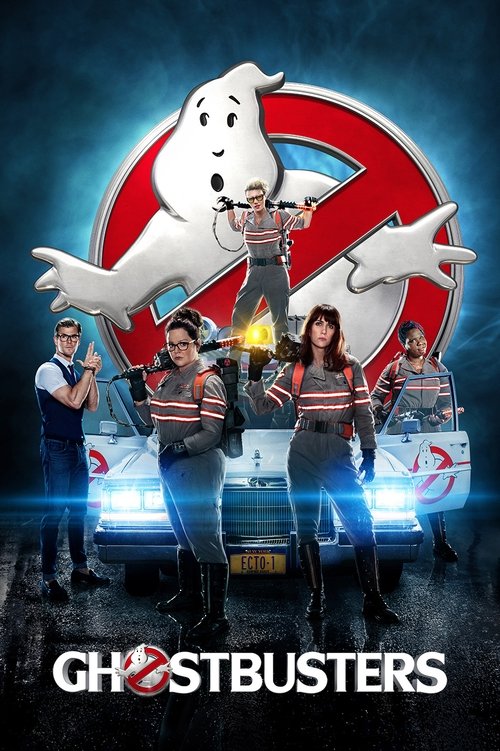
The narrative dismantles traditional clichés by centering highly intelligent, capable female protagonists. It replaces the 'damsel' archetype with characters defined by technical proficiency and investigative roles.
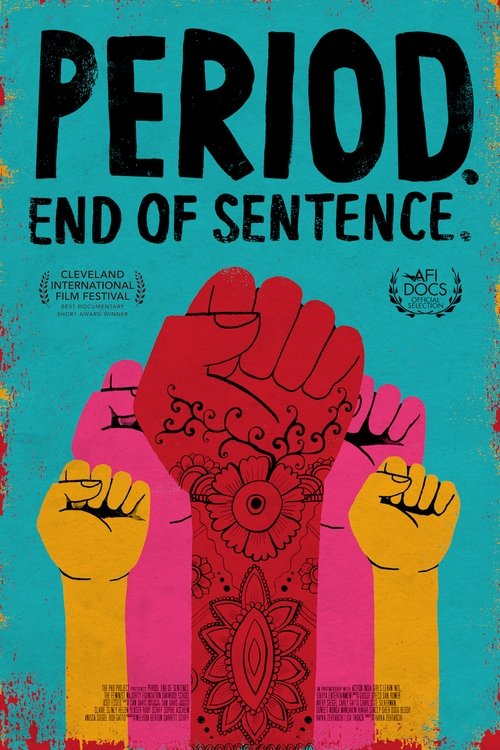
The film challenges traditional gender roles by showing women transitioning from passive recipients of stigma to active economic agents. It highlights the disruption of gendered limitations on education and labor.
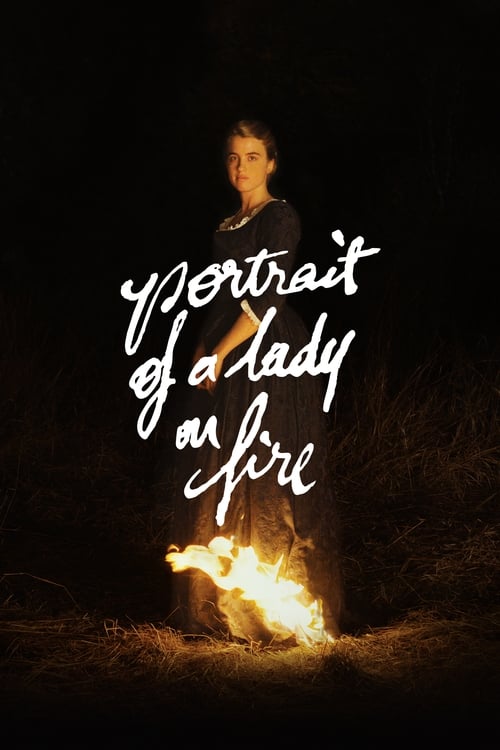
Sciamma challenges traditional gender roles by showing feminine traits as confining. The protagonist gains strength through masculine activities, defying expectations of passive femininity.
Nakia, Okoye, and Shuri function as the moral and technical centers of Wakanda. T'Challa defers to their judgment, and the film resolves the political crisis through their counsel rather than his.
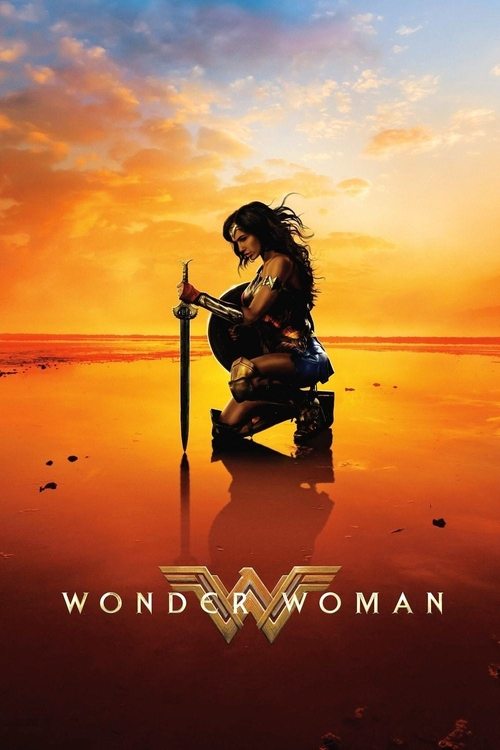
Diana drives the plot as the sole moral and physical center, while male characters function as foils or obstacles. Steve Trevor is framed as physically weaker and morally confused, requiring her protection.
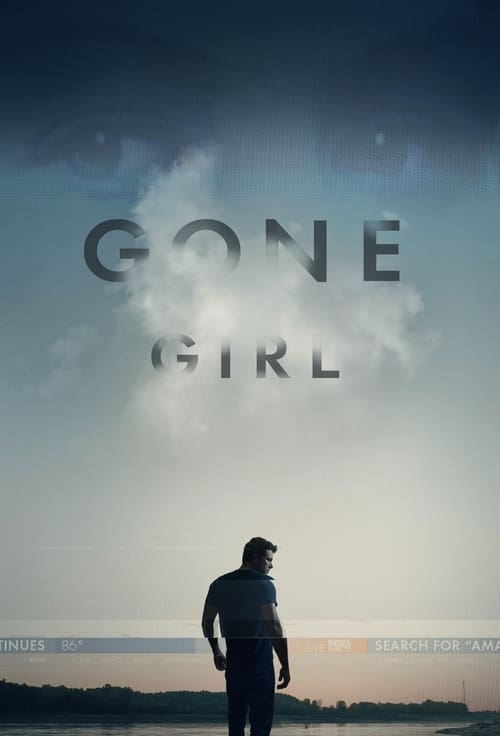
Amy Dunne drives the plot through elaborate manipulation, while Nick Dunne is framed as emotionally stunted and unfaithful. The film treats Amy’s deception as a justified response to traditional male failure.
Katniss Everdeen is a strong female protagonist who plays a key role in the military and political aspects of the story. She challenges traditional male dominance in leadership roles.
Characters like Rey, Leia, and Rose Tico play strong roles in driving the narrative. The portrayal of Luke Skywalker as vulnerable and disillusioned challenges traditional male protector roles.
Merida stands out as a strong female character who challenges traditional gender roles. She prioritizes her independence and archery skills over the expected behaviors of a princess.
Moana breaks away from the traditional princess archetype by emphasizing her leadership and self-discovery. The story avoids typical romantic plots and instead centers on her journey and mentorship.
Katniss Everdeen stands out as a strong female lead who drives political and military change. She avoids submissive stereotypes and leads through her experiences of trauma and decisive actions.
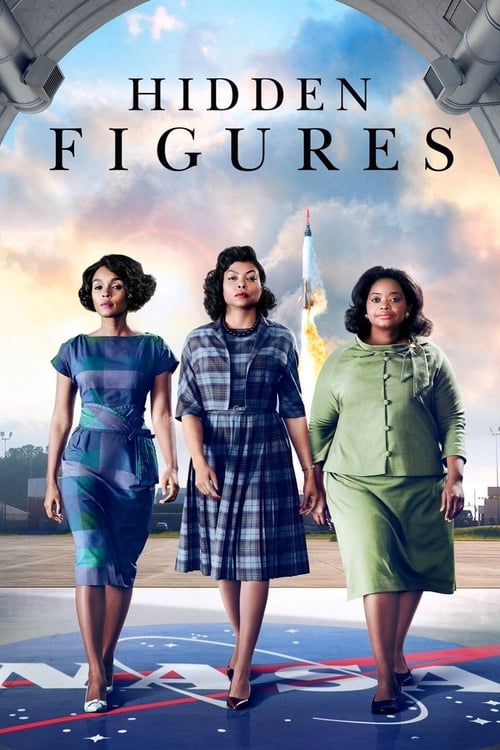
The narrative challenges mid-century hierarchies by positioning women as the primary drivers of the plot. These protagonists use their mathematical intellect to subvert clichés of female passivity in STEM roles.
Elsa and Anna lead the story, replacing traditional damsel roles with strong female characters. The story emphasizes female intelligence and spiritual guidance over traditional male roles.
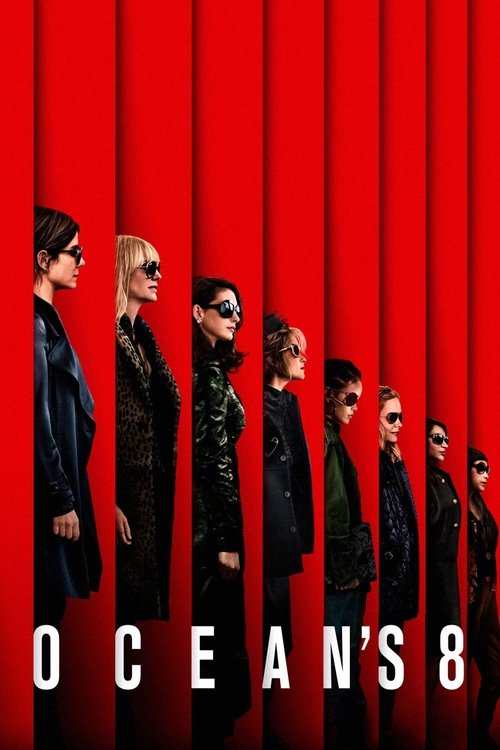
This heist film challenges traditional hierarchies by centering an all-female ensemble. Women like Debbie Ocean and Lou drive the plot through strategic intelligence and technical expertise.
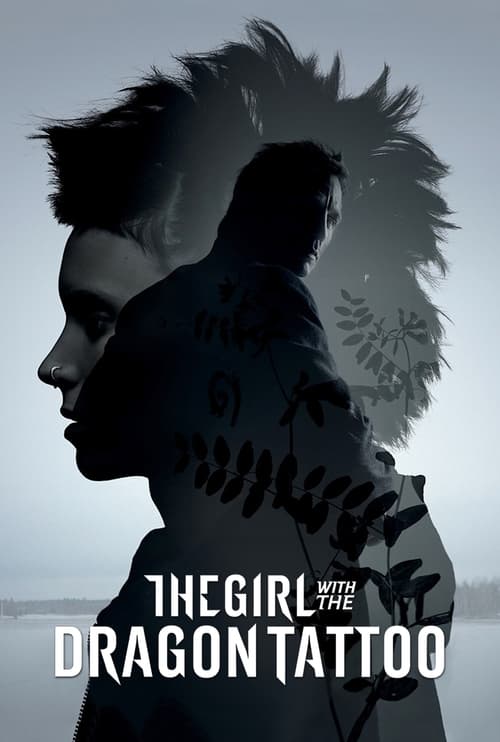
2011
RThe film challenges the 'damsel in distress' archetype by making Salander the primary investigator. It portrays traditional masculine authority as corrupt and predatory.
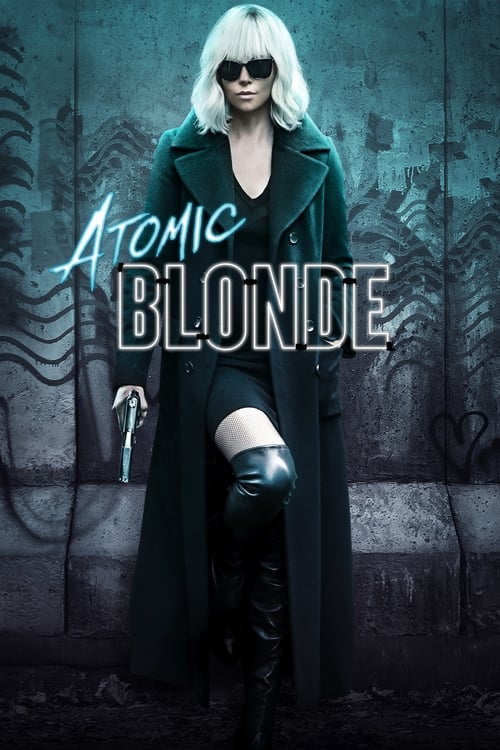
Lorraine Broughton challenges traditional gender roles by showcasing her tactical and physical superiority. She dominates a male-dominated environment, highlighting her intellectual and physical prowess.
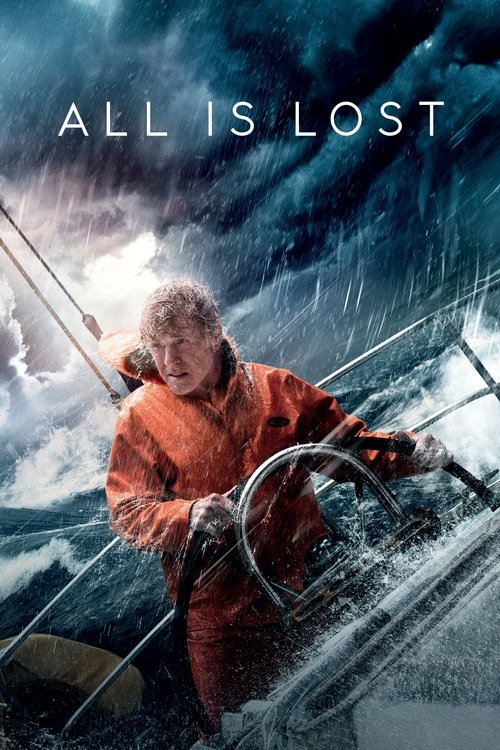
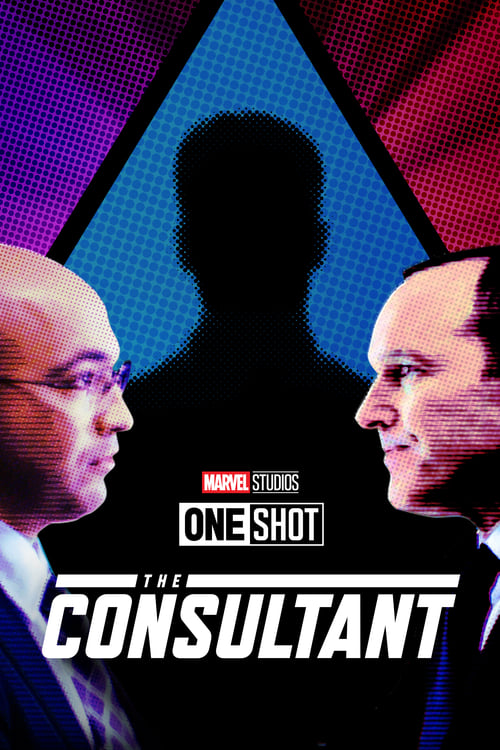
With no secondary characters, the film lacks gender dynamics. There are no female characters or discussions about gender roles or hierarchies.
Because the subjects are non-human species, traditional human gender hierarchies and social dynamics are not applicable. The film does not engage with human gender roles.
The film focuses almost entirely on male characters, reinforcing a hyper-masculine hierarchy. Female characters are nearly absent, and the film does not challenge traditional gender roles.
The story centers around male characters and traditional masculine roles, with little room for female influence.
Female characters play minor roles and are subjected to the protagonist's violent actions. Masculinity is shown as a destructive force that operates outside social responsibility.
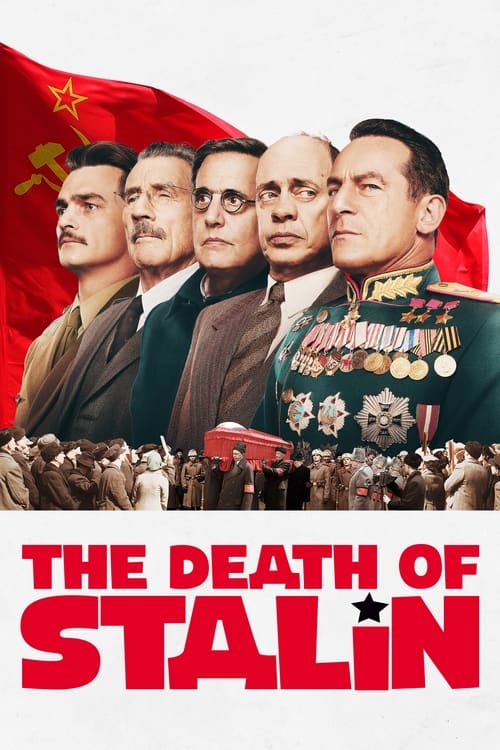
The story features an almost entirely male cast. By focusing on a male-dominated hierarchy, the film lacks opportunities for women to take a leading role and reinforces a patriarchal structure.
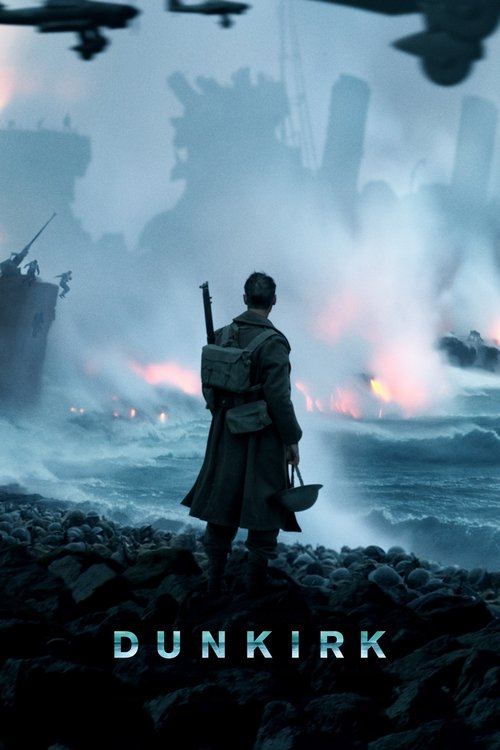
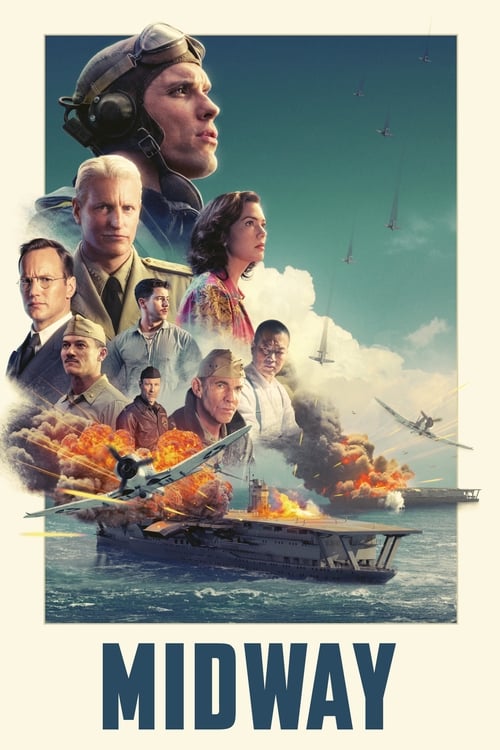
Women are entirely absent from the visual narrative; no female soldiers, nurses, or civilians appear on screen. The plot is driven exclusively by men, who serve as the sole moral and physical center of the story.
The story is predominantly centered around male characters, emphasizing traditional masculinity and military duty. Female characters have little to no ability to act or presence.
Men play the central roles, while women are shown primarily in supporting or vulnerable positions. The film reinforces traditional masculine combat roles.
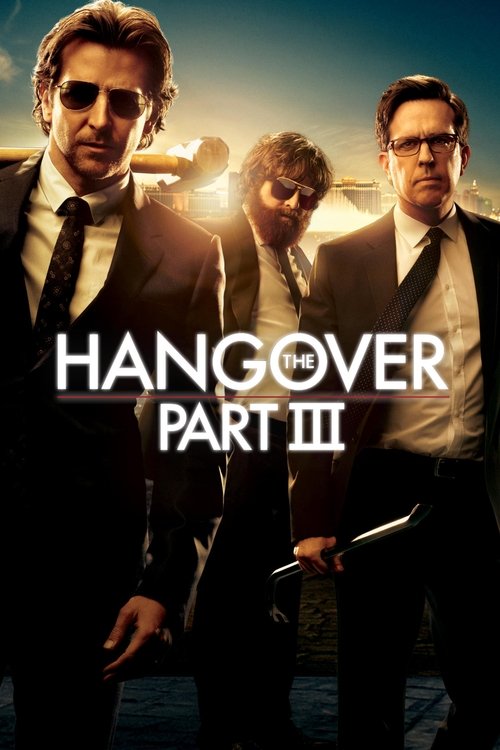
The story focuses mainly on male bonding and humor. Female characters are limited to minor, highly sexualized roles that serve as comic relief.
The story focuses primarily on male friendships, with female characters playing supporting roles rather than driving the plot.
The movie centers around a group of men and does not give women substantial roles or depth.
The story centers around a traditional, male-dominated structure. It emphasizes patriarchal leadership by highlighting masculine roles of command.
The story reinforces traditional gender roles by centering almost exclusively on male characters. Female characters, such as Bilari, primarily serve to trigger male action rather than having independent ability to act.
The film follows a traditional masculine hierarchy where women have little influence on the main storyline focused on survival.
The story prioritizes hyper-masculine archetypes and male camaraderie. While Ronda Rousey provides a depiction of female physical prowess, she remains a supporting figure in a male-dominated hierarchy.
The story focuses almost entirely on male protagonists and masculine authority, with very few female characters.
The main characters are almost all male, emphasizing themes of physical strength and resilience. This male-dominated perspective reinforces conventional ideas of masculinity and leadership.
The story operates within a strict gender hierarchy where the cast is predominantly male. Women play minor roles, and the film fails the Bechdel test, indicating a lack of meaningful interaction between female characters.
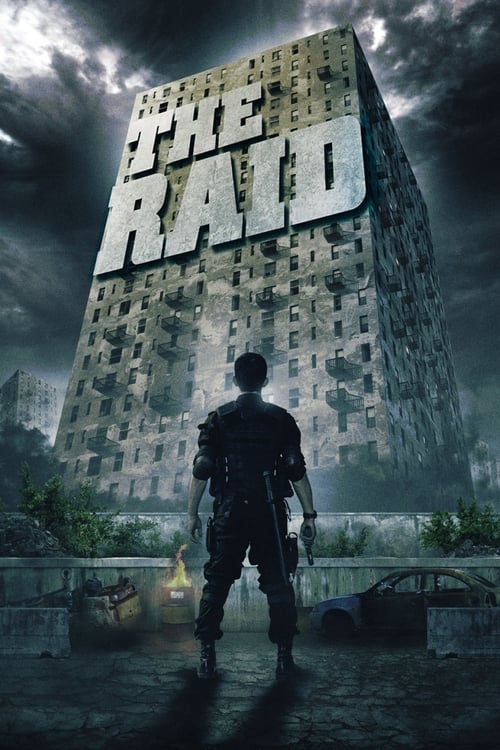
The story revolves around a male-dominated SWAT team and criminal network. Women play minor roles and have limited influence over the plot.
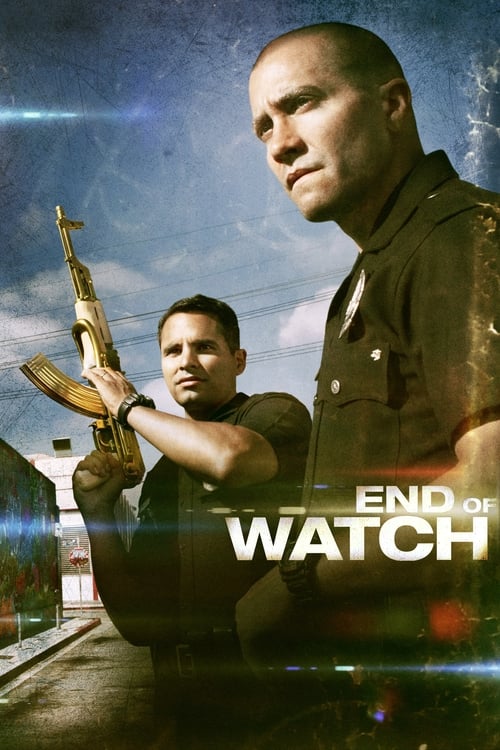
The story emphasizes male camaraderie and professional life, with women appearing in supporting roles without significant influence on the main plot.
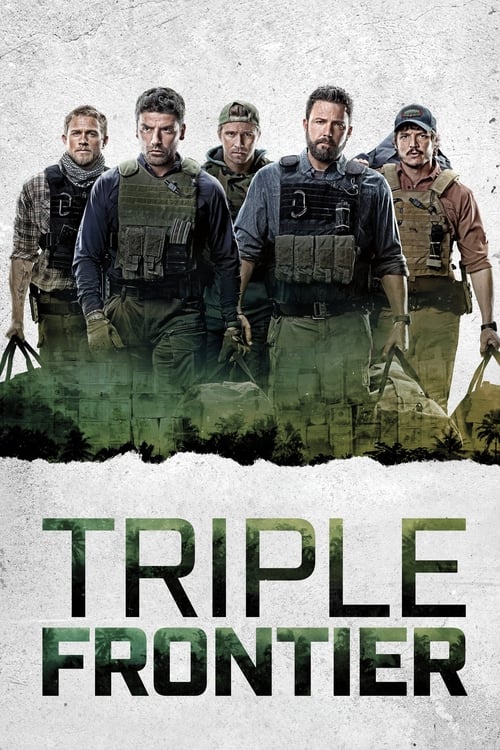
The story focuses primarily on male characters, especially former soldiers, reinforcing traditional masculine roles. Female characters are not given central roles.
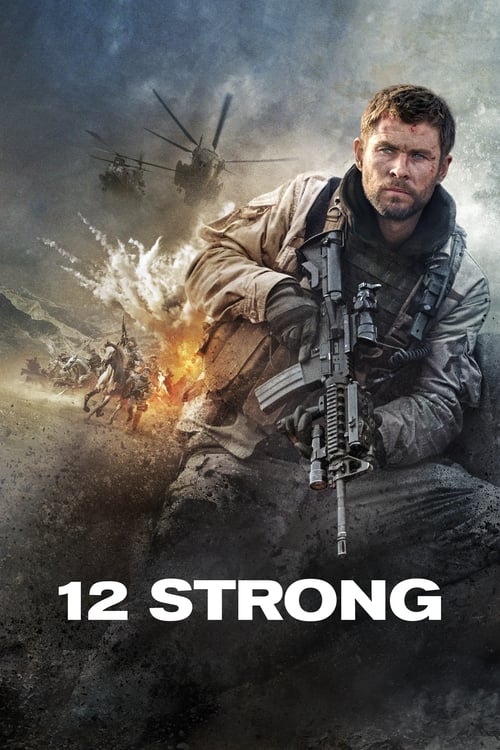
The story centers almost exclusively on a male-dominated military environment. Women are largely absent from primary roles, and the film emphasizes traditional masculine leadership through its main characters.
The story unfolds within a male-dominated Vatican hierarchy. It emphasizes traditional gender roles by excluding women's ability to drive the story and focusing almost entirely on male characters.
The story centers exclusively on a male protagonist, Paul Conroy. Due to the coffin setting, there is a near-total absence of female characters or meaningful interactions with women.
Men play central roles in driving the plot through their positions as officers and pilots. Women are shown primarily in supporting or domestic roles, reinforcing traditional gender roles.
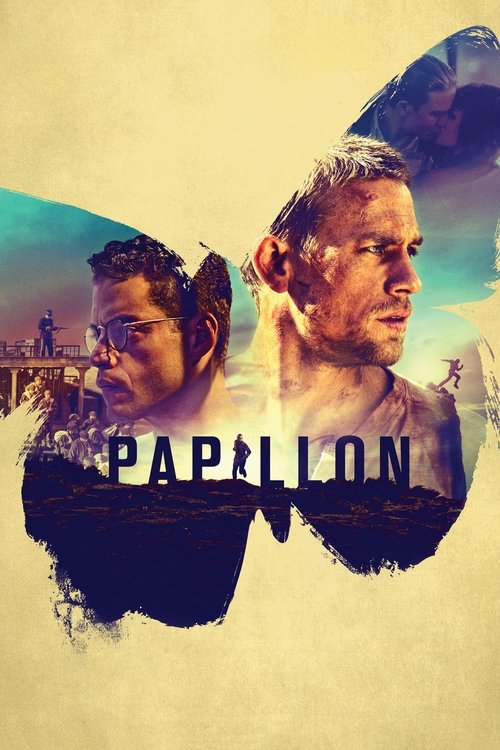
Female characters are shown as victims of extreme exploitation and trauma. While the male protagonist's masculinity is challenged by systemic manipulation, women are primarily used as objects of extreme suffering and abuse.
Women are largely absent from the main storyline, playing minor roles or being excluded altogether. The narrative emphasizes male experiences and excludes female perspectives.
The story revolves around male characters, with central conflicts driven by male figures. Female characters play minor roles and have little influence on the plot.
The narrative depicts a male-dominated hierarchy within the Japanese civil service. It lacks female involvement in decision-making roles.
Narrative ability to act is almost exclusively male, centered on the Ninth Legion's combat capabilities. Female characters remain peripheral figures rather than central drivers of the plot.
The cast consists solely of men who drive the plot through deception. Women are portrayed as passive subjects, serving as victims or wives being deceived.
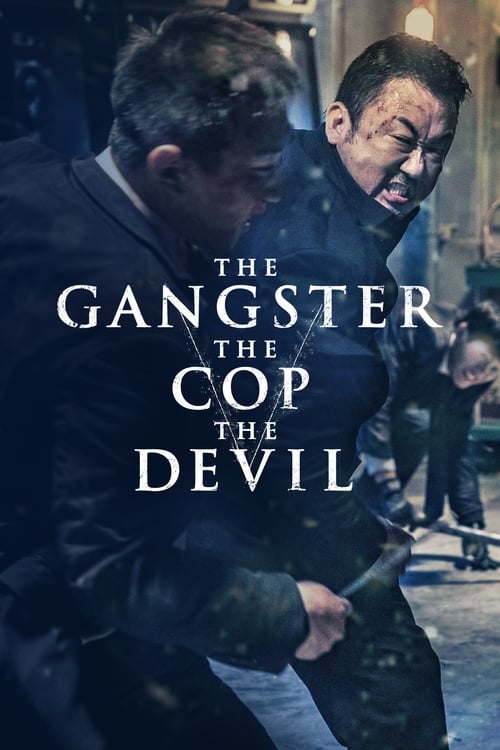
The narrative centers around male characters, with a power struggle between a crime boss, a detective, and a killer. Women are given limited roles and have little control over their situations.
The main cast is almost entirely made up of male characters, excluding female perspectives. There is a lack of women's ability to drive the story or significant roles.
Female characters have little influence over the plot and are primarily objects of physical harm. The story emphasizes traditional power imbalances without challenging them.
The story focuses almost entirely on male-driven conflicts within a patriarchal structure. Female characters play minor roles and are mostly peripheral to the main violent action.
Women are mostly portrayed as secondary characters or objects of desire. The story is driven entirely by male protagonists, and there is little opportunity for women to take control of their own storylines.
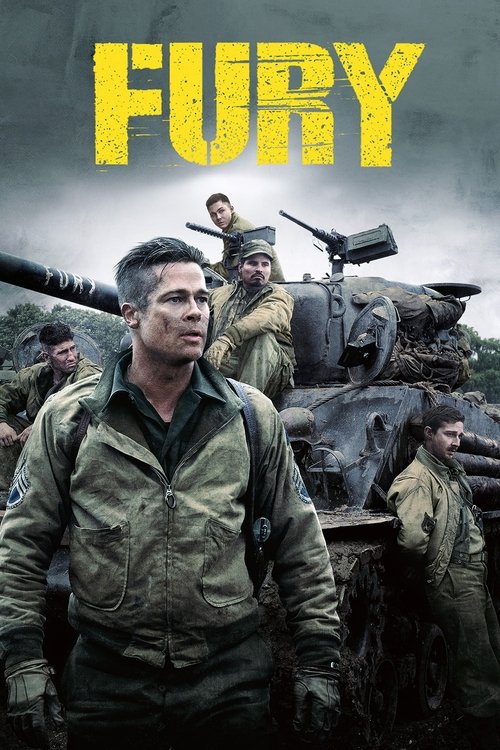
Male characters primarily drive the plot within a male-dominated military hierarchy. Women are relegated to secondary, supportive roles and have little control over what happens to them in the story.
The story focuses mainly on a masculine perspective, with an all-male cast that excludes female characters from having significant roles.
The story heavily emphasizes male characters and their interactions, while female characters have limited roles and influence.
Female characters play supporting roles and lack ability to act, while the story centers on hyper-masculine archetypes and physical dominance.
The narrative is set in an almost exclusively male Russian prison. Female characters are absent, and the story centers on male physical dominance.
The story is dominated by male characters, adhering to traditional gender roles. It lacks significant female characters who could challenge the established military hierarchy.
The story operates within a hyper-masculine framework driven by male aggression. A lack of female characters prevents any challenge to traditional gender roles.
The film portrays a traditional gender hierarchy where leadership and mission control roles are primarily filled by men. It captures the historical professional environment of NASA without challenging these male-dominated power structures.
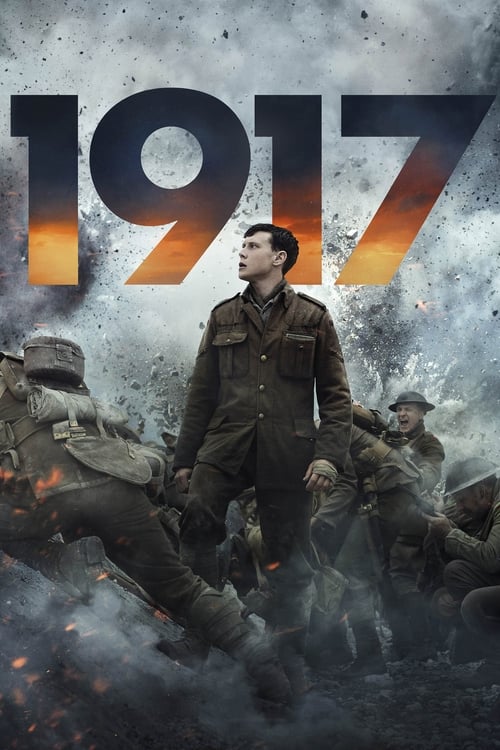
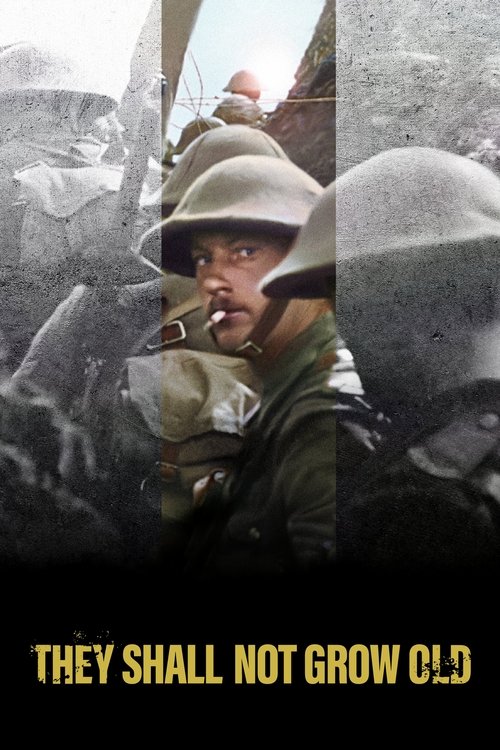
The narrative centers almost entirely on the male experience of trench warfare. Women are shown primarily in roles related to nursing or supporting the home front.
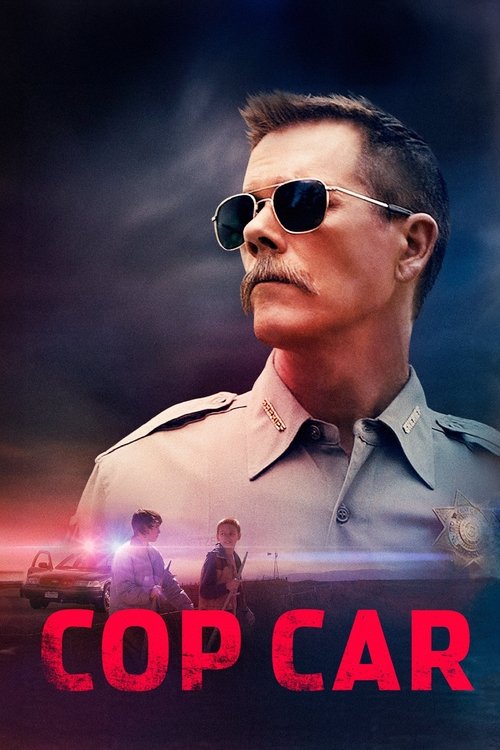
The movie features an all-male cast and does not meet the Bechdel test criteria. The story emphasizes traditional masculine roles in a high-stakes security environment.
Brice actively drives the plot, while women play supporting roles defined by their relationships to him. The film reinforces traditional gender hierarchies without critiquing toxic masculinity.
The narrative emphasizes traditional gender roles where women find empowerment through spiritual guidance rather than professional advancement.
Gender roles are traditional and regressive. The female character is passive and serves as an object for the male characters' gaze and actions.