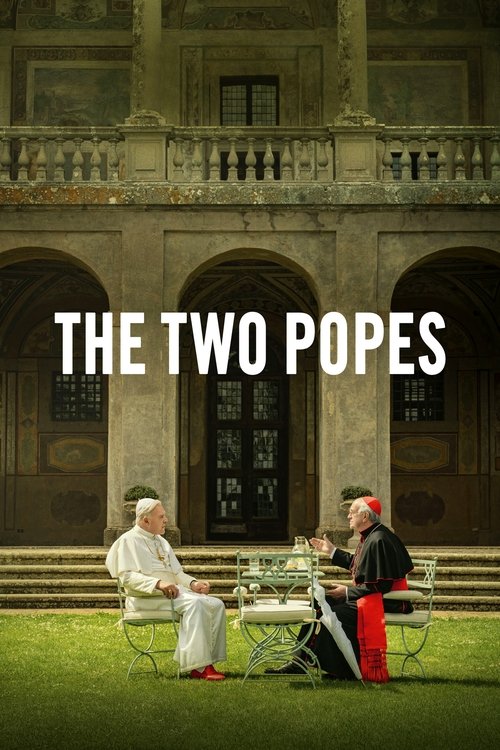
The Two Popes
2019
No user ratings available yet
Representation score: 3.8 out of 10
Representation Score
Limited
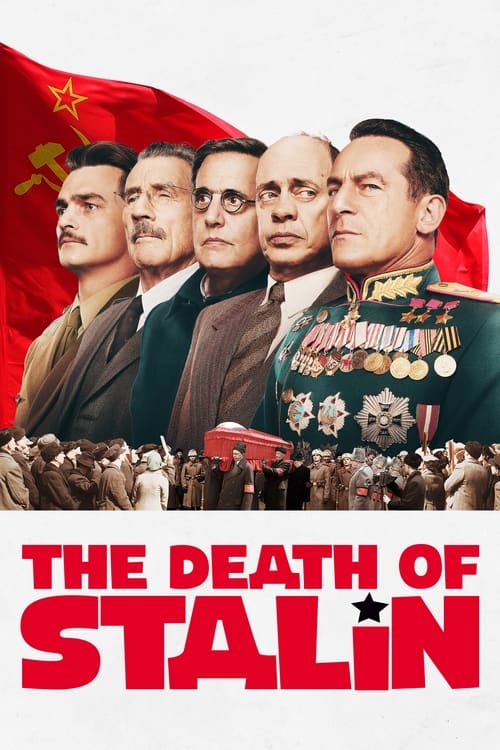
2017
RDirector
Armando Iannucci
Runtime
107 minutes
Average Rating
No ratings yetNew Showbiz Analysis
The Death of Stalin is a biting satire that prioritizes historical accuracy and political deconstruction over demographic breadth. Its low scores in gender and LGBTQ+ representation stem from its focus on the hyper-masculine, male-dominated Soviet Politburo of 1953. While the film lacks diversity in terms of identity, it excels in its cultural critique. It effectively dismantles the legitimacy of centralized power and examines the mechanics of a parasitic ruling class. Ultimately, the film's narrow demographic scope is a byproduct of its specific historical setting, though this results in a lack of representation for women, LGBTQ+ individuals, and diverse ethnic groups.
Category Breakdown
The film does not address LGBTQ themes or identities. The story stays focused on the male-dominated political sphere of mid-century Soviet leadership.
The story features an almost entirely male cast. By focusing on a male-dominated hierarchy, the film lacks opportunities for women to take a leading role and reinforces a patriarchal structure.
Casting emphasizes the Slavic and Russian ethnicities of the Soviet elite. While historically accurate, the film does not use diverse casting to challenge the era's homogeneity.
The film excels in criticizing traditional institutions and the suppression of religious bodies. It portrays the state as a corrupt, predatory system rather than a stable pillar of society.
There is no meaningful representation of physical or neurodivergent disabilities. Psychological instabilities are portrayed as symptoms of paranoia rather than nuanced explorations of disability.
Present on Screen
Limited or Absent
Official Synopsis
When dictator Joseph Stalin dies, his parasitic cronies square off in a frantic power struggle to become the next Soviet leader. As they bumble, brawl and back-stab their way to the top, the question remains — just who is running the government?
2019
1994
2016
2020

2007
1999
2018
2020
No reviews yet. Be the first to share your thoughts on this movie!
Use the rating form above to leave a star rating and optional review.