Spotlight
2015
No user ratings available yet
Representation score: 6.3 out of 10
Representation Score
Limited
2019
PG-13Director
Fernando Meirelles
Runtime
125 minutes
Average Rating
No ratings yetNew Showbiz Analysis
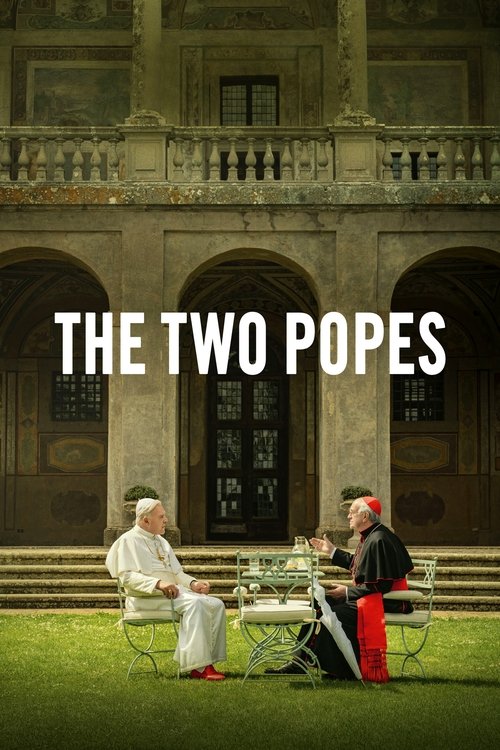
The film is a sophisticated exploration of institutional change rather than a showcase of diverse demographics. It uses its historical setting to critique the rigidity of traditional power structures. By highlighting the shift toward a more globalized leadership, it offers a thematic evolution towards a more inclusive and empathetic framework. However, the film's commitment to historical accuracy limits its representation of diverse groups. The patriarchal nature of the Vatican results in a significant lack of female and LGBTQ+ presence. The narrative remains largely confined to a Western, male-centric perspective. Ultimately, the work prioritizes thematic depth over direct demographic inclusivity.
Category Breakdown
The film explores theological conflicts between two men within a patriarchal structure. It does not include explicit storylines focused on LGBTQ+ characters, reflecting a traditional institutional setting.
The story unfolds within a male-dominated Vatican hierarchy. It emphasizes traditional gender roles by excluding women's ability to drive the story and focusing almost entirely on male characters.
The story highlights the Church's global reach through Cardinal Bergoglio, introducing perspectives from the Global South. This challenges Eurocentric dominance and addresses post-colonial themes.
The film portrays the Church as a complex, flawed institution rather than a monolithic entity. It promotes moral flexibility by emphasizing mercy and situational ethics over strict doctrine.
The film does not feature significant depictions of disabilities that drive the plot or serve as central character traits.
Present on Screen
Limited or Absent
Official Synopsis
Frustrated with the direction of the church, Cardinal Bergoglio requests permission to retire in 2012 from Pope Benedict. Instead, facing scandal and self-doubt, the introspective Pope Benedict summons his harshest critic and future successor to Rome to reveal a secret that would shake the foundations of the Catholic Church.
2015
1964
2017

2017
2008
1966
2003

1953
No reviews yet. Be the first to share your thoughts on this movie!
Use the rating form above to leave a star rating and optional review.