Radioactive
2020
No user ratings available yet
Representation score: 6.4 out of 10
Representation Score
Good
2017
RDirector
Angela Robinson
Runtime
108 minutes
Average Rating
No ratings yetNew Showbiz Analysis
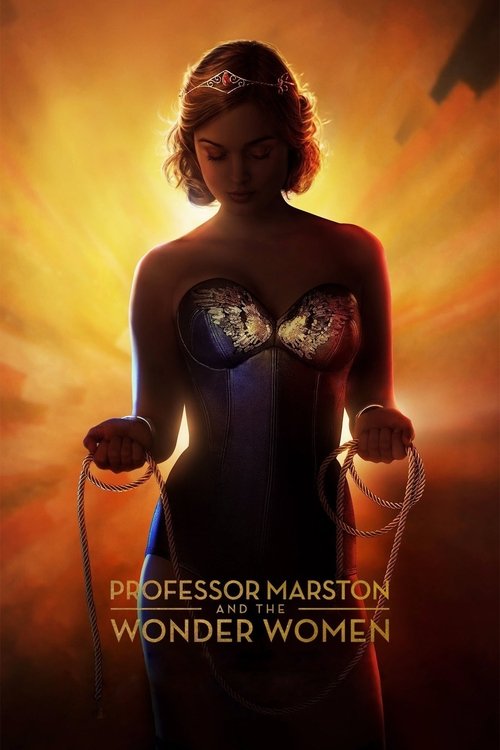
Angela Robinson’s drama succeeds by deconstructing the mid-20th-century nuclear family. It shifts the biographical focus from academic achievement to the radical interpersonal dynamics of the Marston household, prioritizing non-traditional domesticity. The film excels in its portrayal of complex relationship structures and women's ability to drive the story. By centering a polyamorous triad, it effectively critiques traditional gender hierarchies through a sophisticated lens. However, the film is limited by its historical setting, resulting in a lack of racial and ethnic diversity. The narrative remains focused on a specific, homogeneous social circle, missing opportunities for broader characters who reflect more than one aspect of diversity.
Category Breakdown
The film centers around a polyamorous triad, treating same-sex intimacy between Elizabeth and Olive as a foundational domestic element. This nuanced approach presents a functional, non-assuming gender matches what was assigned at birth ecosystem rather than a peripheral subplot.
Elizabeth and Olive are portrayed as intellectual architects rather than submissive figures. The narrative elevates women's ability to drive the story by showing how their empowerment helped shape the Wonder Woman mythos.
The cast is largely homogeneous, reflecting the specific mid-20th-century academic circles of the protagonists. It lacks multi-layered breadth, remaining tethered to the historical demographic being profiled.
The story critiques rigid mid-century marriage and legal structures as oppressive forces. It challenges the era's singular Christian morality by framing unconventional lifestyles as valid domestic units.
There are no prominent depictions of physical or neurodivergent disabilities used as central plot devices or character traits.
Present on Screen
Limited or Absent
Official Synopsis
The unconventional life of Dr. William Marston, the Harvard psychologist and inventor who helped invent the modern lie detector test and co-created Wonder Woman in 1941.
2020

2018
2019
2012
2017

2011
2007

1986
No reviews yet. Be the first to share your thoughts on this movie!
Use the rating form above to leave a star rating and optional review.