
Honey Cigar
2020
No user ratings available yet
Representation score: 7.0 out of 10
Representation Score
Fair
2019
RDirector
Mounia Meddour
Runtime
108 minutes
Average Rating
No ratings yetNew Showbiz Analysis
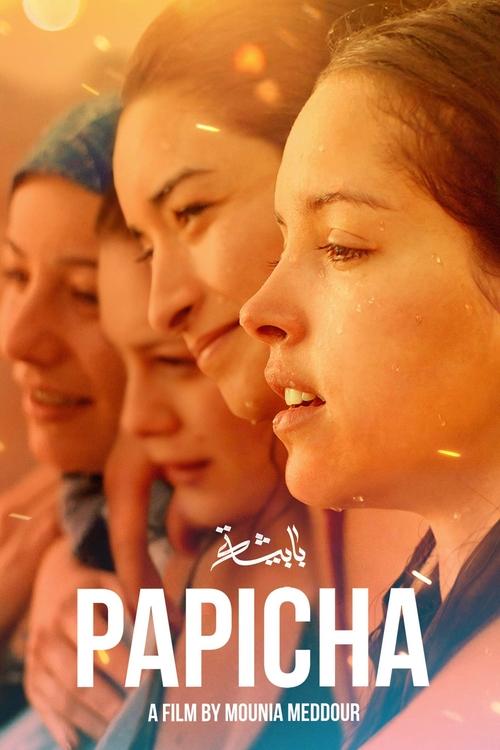
Papicha is a powerful study of how gender and religion intersect in a post-colonial setting. The film excels by centering women's ability to drive the story and using personal expression as a form of political rebellion. While the film provides a sophisticated critique of patriarchal and religious oppression, it remains narrow in its scope regarding queer identities. The focus is strictly on the struggle for secularism and bodily autonomy within a specific Algerian context. Ultimately, the film succeeds as a culturally authentic piece that avoids common Western clichés, offering a deep look at the friction between individual freedom and institutional dogma.
Category Breakdown
The film doesn't include any explicit LGBTQ+ characters or relationships. Queer identities are not addressed in the storyline.
Nedjma drives the plot by using fashion as a form of intellectual defiance. The film highlights female resilience against oppressive religious authorities.
The film offers a nuanced portrayal of Algerian identity, avoiding Western-centric views. It centers an Algerian cast to explore North African lived experiences and socioeconomic realities.
The narrative prioritizes secularism and individual autonomy over religious dogma. It critiques religious fundamentalism as a systemic threat to personal freedom.
There are no prominent depictions of disabilities that drive the narrative or serve as central character traits.
Present on Screen
Limited or Absent
Official Synopsis
Nedjma, an 18-year-old student passionate about fashion design refuses to let the tragic events of the Algerian Civil War keep her from experiencing a normal life. As the social climate becomes more conservative, she rejects the new bans set by the radicals and decides to put on a fashion show.
2020
2000
2023

2016

2004

2024
2004
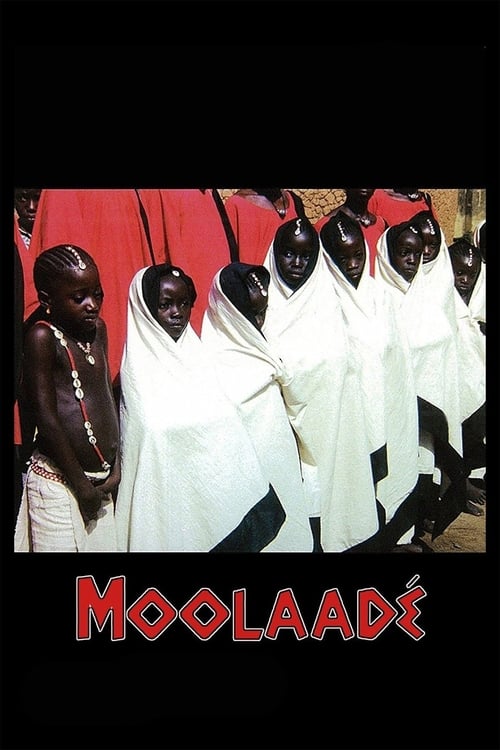
2004
No reviews yet. Be the first to share your thoughts on this movie!
Use the rating form above to leave a star rating and optional review.