
Undisputed II: Last Man Standing
2006
No user ratings available yet
Representation score: 3.4 out of 10
Representation Score
Limited
2010
RDirector
Isaac Florentine
Runtime
96 minutes
Average Rating
No ratings yetNew Showbiz Analysis
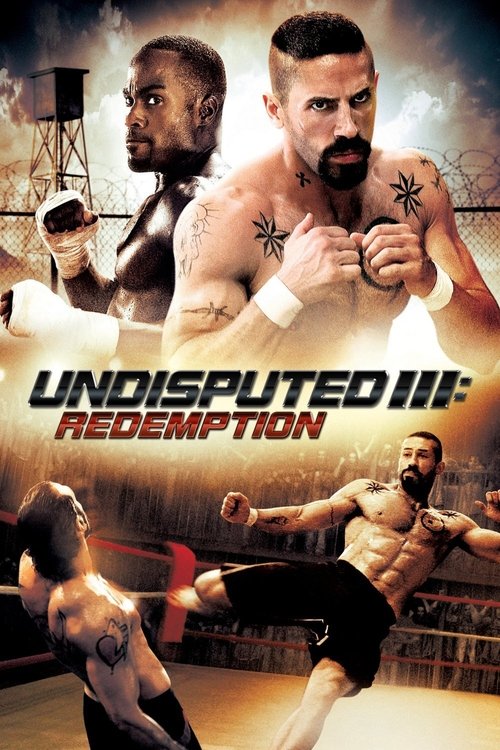
Undisputed III: Redemption is a genre-driven action film that prioritizes physical storytelling over social commentary. It succeeds in presenting an internationalist cast through its global tournament setting, which prevents the film from feeling racially homogeneous. However, the film is heavily tethered to traditional masculine hierarchies. The setting is an almost exclusively male space, and the narrative lacks engagement with perspectives that reflect multiple aspects of identity. While the protagonist's physical disability provides a central narrative obstacle, the film remains a traditional heroic tale focused on individual ability to act rather than broader systemic exploration.
Category Breakdown
The film operates within a strictly straight-centered framework. It focuses on a hyper-masculine environment with no queer subtext or non-traditional gender identities.
The narrative is set in an almost exclusively male Russian prison. Female characters are absent, and the story centers on male physical dominance.
An internationalist approach to casting provides meaningful representation. The central tension features a Black protagonist navigating a predominantly white, Eastern European setting.
The film depicts a corrupt prison administration through a standard action-thriller lens. It prioritizes individual redemption over broader social or cultural critique.
Boyka’s narrative arc is defined by a significant knee injury. The film explores his struggle to reclaim identity and physical control despite his impairment.
Present on Screen
Limited or Absent
Official Synopsis
Russian inmate Boyka, now severely hobbled by the knee injury suffered at the end of Undisputed 2. No longer the feared prison fighter he was, he has declined so far that he is now good only for cleaning toilets. But when a new prison fight tournament begins - an international affair, matching the best fighters from prisons around the globe, enticing them with the promise of freedom for the winner - Boyka must reclaim his dignity and fight for his position in the tournament.
2006
2016
1996
2003
2007
2008
1993
2008
No reviews yet. Be the first to share your thoughts on this movie!
Use the rating form above to leave a star rating and optional review.