Antlers
2021
No user ratings available yet
Representation score: 5.7 out of 10
Representation Score
Good
2020
RDirector
Rose Glass
Runtime
85 minutes
Average Rating
No ratings yetNew Showbiz Analysis
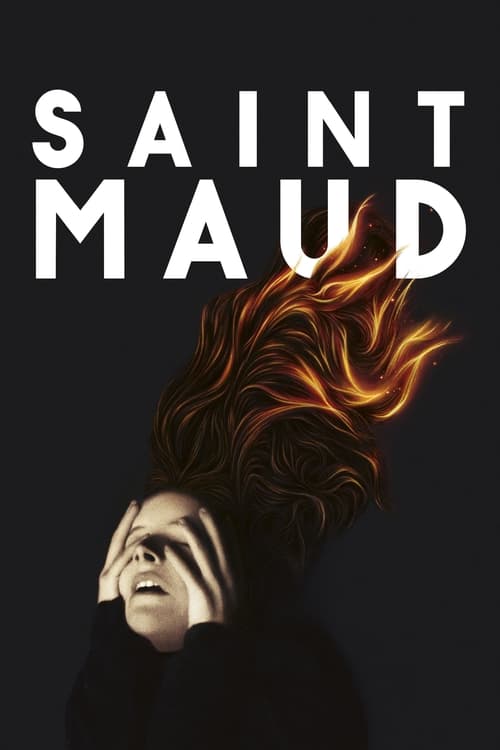
Rose Glass delivers a sophisticated psychological horror that prioritizes female interiority and the deconstruction of religious hegemony. The film excels by subverting the caregiver cliché and exploring the blurred boundaries of intimacy through a postmodern lens. While the narrative structure is progressive in its handling of gender and identity, it remains geographically and socially narrow. The lack of racial and ethnic diversity limits the film's multi-layered depth, keeping the scope strictly interpersonal. Ultimately, the film's strength lies in its refusal to provide easy moral resolutions. It trades traditional clichés for a nuanced, subjective exploration of vulnerability and belief.
Category Breakdown
The film examines desire through religious asceticism. Maud’s fixation on Amanda suggests a complex, non-traditional yearning that challenges standard depictions of female companionship.
Operating in a female-centric space, the film overturns traditional power hierarchies. The shifting roles between nurse and patient move away from patriarchal archetypes of strength and stability.
The story maintains a highly localized, homogeneous social environment. The focus on interpersonal psychology results in a lack of racial or ethnic diversity within the primary cast.
The narrative deconstructs Western religious institutions by framing fervor as a source of isolation. It critiques institutional power by presenting faith as a catalyst for psychological fragmentation.
The film explores both Amanda’s visible chronic illness and Maud’s invisible psychological struggles. It avoids 'inspiration porn' by treating mental states as complex, lived experiences.
Present on Screen
Limited or Absent
Official Synopsis
Having recently found God, self-effacing young nurse Maud arrives at a plush home to care for Amanda, a hedonistic dancer left frail from a chronic illness. When a chance encounter with a former colleague throws up hints of a dark past, it becomes clear there is more to sweet Maud than meets the eye.
2021
1971

2019
1985
2019
2020

2016

2021
No reviews yet. Be the first to share your thoughts on this movie!
Use the rating form above to leave a star rating and optional review.