Paranormal Activity: Next of Kin
2021
No user ratings available yet
Representation score: 4.0 out of 10
Representation Score
Limited
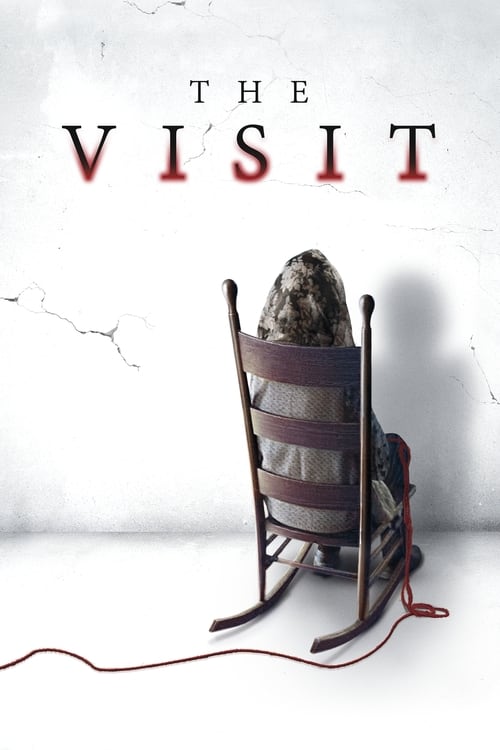
2015
PG-13Director
M. Night Shyamalan
Runtime
94 minutes
Average Rating
No ratings yetNew Showbiz Analysis
The film focuses on psychological tension within a domestic horror setting. Its primary strength lies in subverting traditional gender roles, particularly through the empowered female lead. However, the narrative is limited in its demographic scope, lacking racial, LGBTQ+, and disability representation. This reinforces traditional, singular demographic norms. Ultimately, the film's impact is bolstered by its critical deconstruction of the traditional family structure, despite its homogeneous production.
Category Breakdown
The film does not feature any LGBTQ+ characters or themes. It centers on a traditional heterosexual family unit.
Becca challenges traditional gender roles by becoming the main decision-maker and protector for her brother. This shifts power away from typical masculine leadership clichés.
The cast is predominantly white and set in a rural environment. There is no evidence of diverse casting or color-blind casting.
The story questions the sanctity of the family by depicting grandparents as predatory figures. It portrays the home as a place of instability rather than security.
There are no characters with visible or invisible disabilities. Physical or mental conditions are framed through horror clichés rather than nuanced depictions of neurodivergence.
Present on Screen
Limited or Absent
Official Synopsis
A brother and sister are sent to their grandparents' remote Pennsylvania farm for a week, where they discover that the elderly couple is involved in something deeply disturbing.
2021
2015
2011
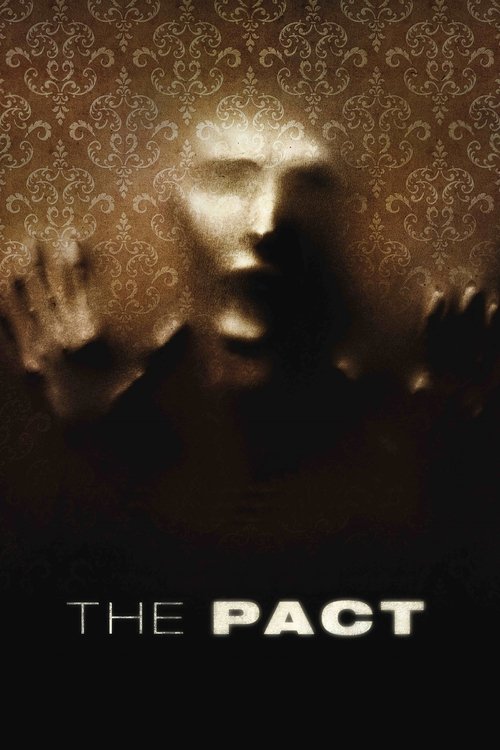
2012
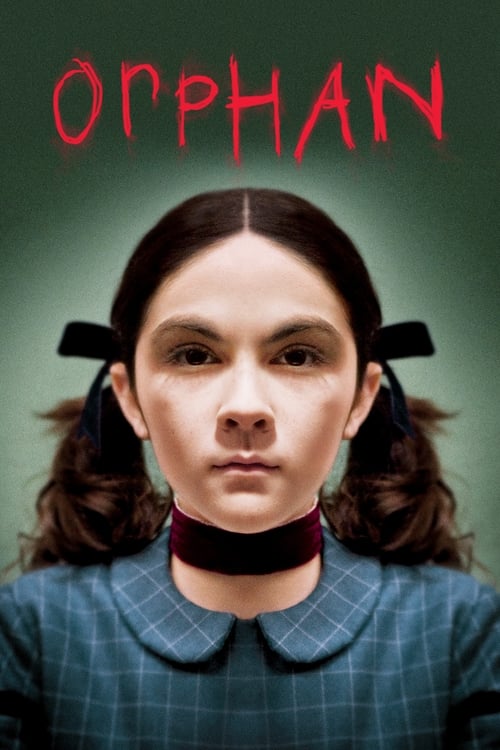
2009
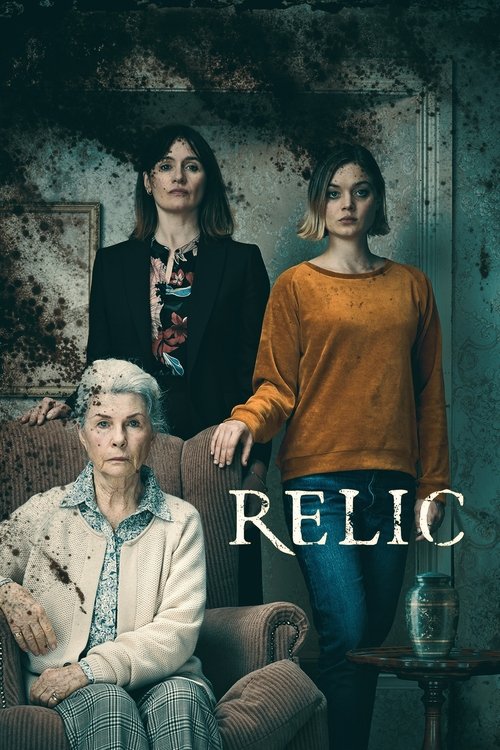
2020
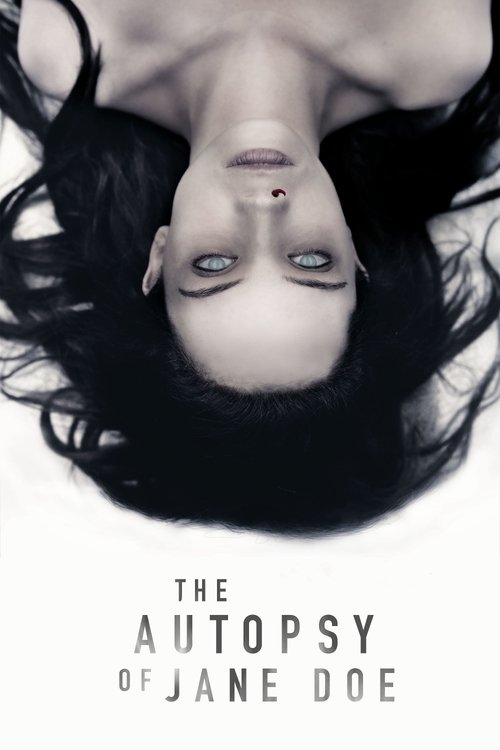
2016
2002
No reviews yet. Be the first to share your thoughts on this movie!
Use the rating form above to leave a star rating and optional review.