
I Spit on Your Grave 2
2013
No user ratings available yet
Representation score: 2.5 out of 10
Representation Score
Limited
2010
RDirector
Steven R. Monroe
Runtime
108 minutes
Average Rating
No ratings yetNew Showbiz Analysis
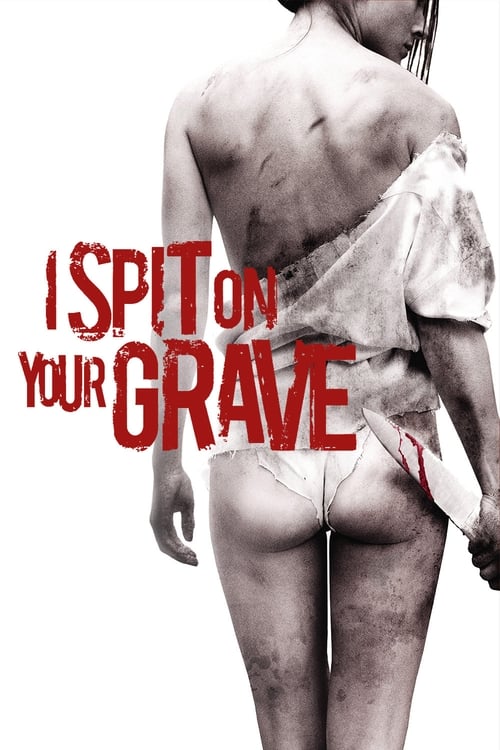
I Spit on Your Grave (2010) is a film that lacks diversity in terms of LGBTQ+ and racial representation. The cast is primarily white and rural, with no evidence of diverse identities. However, the film disrupts traditional gender hierarchies by transforming the female protagonist from a passive victim into a powerful avenger. Ultimately, the film's strength lies in its critique of institutional authority, though it falls short in representing broader demographic diversity.
Category Breakdown
The film does not include any representation of LGBTQ+ identities. The story revolves around a conflict between a female protagonist and male antagonists.
Jennifer Hills challenges traditional gender roles by evolving from a passive victim to a powerful avenger. She undermines male authority through strategic thinking and lethal actions.
The cast is predominantly white and rural, with no indication of race-bent casting or diverse identities.
The story questions the sanctity of social order by prioritizing personal retribution over legal systems. Vigilantism is portrayed as a necessary reclaiming of personal autonomy.
There are no depictions of visible or invisible disabilities or neurodivergence. Characters are defined solely by their roles in the revenge plot.
Present on Screen
Limited or Absent
Official Synopsis
A beautiful woman from the city, Jennifer Hills, rents an isolated cabin in the country to write her latest novel. Soon, a group of local lowlifes subject her to a nightmare of degradation, rape, and violence.
2013

1978

2015

1981

2007

1986

2014
1971
No reviews yet. Be the first to share your thoughts on this movie!
Use the rating form above to leave a star rating and optional review.