
Creep
2004
No user ratings available yet
Representation score: 4.6 out of 10

Representation Score
Limited
2010
PG-13Director
John Erick Dowdle
Runtime
80 minutes
Average Rating
No ratings yetNew Showbiz Analysis
Devil functions as a conventional supernatural thriller that builds tension using a diverse group of strangers. While the cast is multi-ethnic, this diversity serves the narrative need for a varied group rather than driving a deeper exploration of identity. The film adheres to traditional moral and gendered structures. It centers on individual retribution and survival within a corporate setting, lacking engagement with progressive socio-political frameworks or the subversion of established archetypes. Ultimately, the diversity present serves the genre's needs. The film provides social breadth through its casting but lacks the intentionality to challenge systemic hierarchies or represent underrepresented identities.
Category Breakdown
The film does not include any LGBTQ+ characters or narratives. It does not engage with queer themes or non-straight relationships.
The film features a balanced mix of male and female characters. However, it relies on typical genre clichés rather than challenging traditional gender roles or power dynamics.
The film casts a multi-ethnic ensemble including Black, Asian, and Caucasian actors. This variety represents a diverse urban population within the elevator setting.
The story follows a traditional moral framework focused on sin and punishment. It emphasizes a singular moral order rather than exploring secular or systemic critiques.
The film does not feature any characters with physical, neurodivergent, or sensory disabilities. Characters are defined by their moral histories rather than their lived experiences of disability.
Present on Screen
Limited or Absent
Official Synopsis
A group of people are trapped in an elevator high above Philadelphia, and one of them is the Devil.
2004

2019
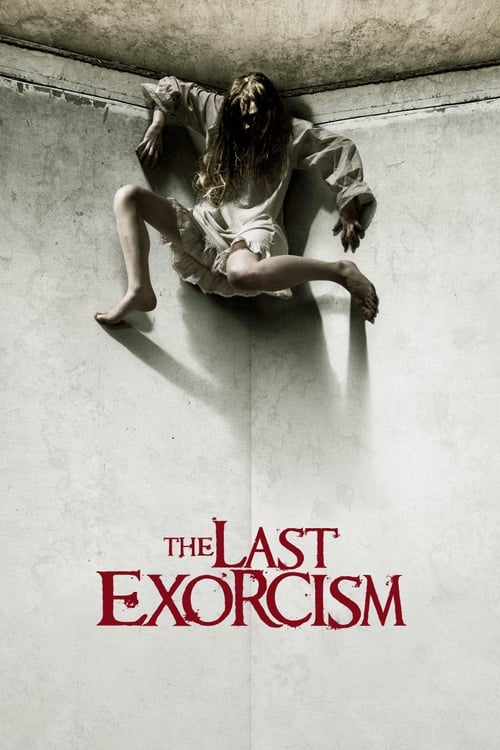
2010
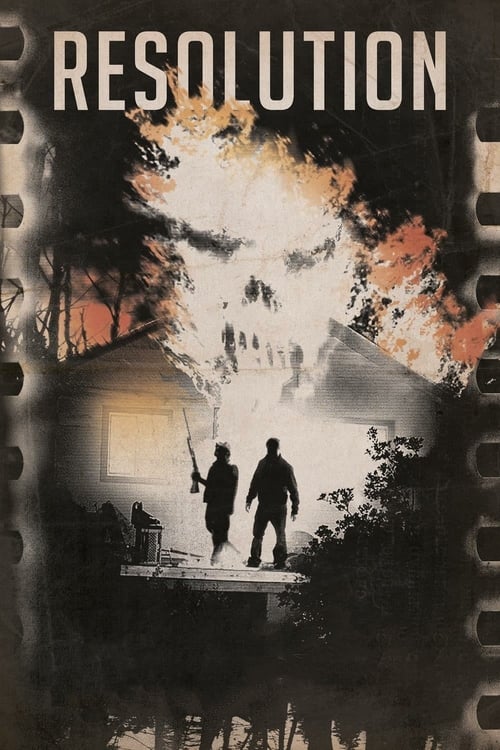
2013

2018
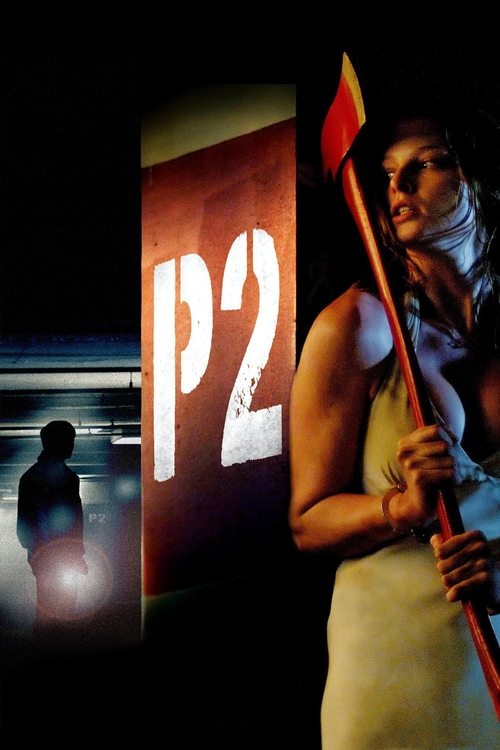
2007
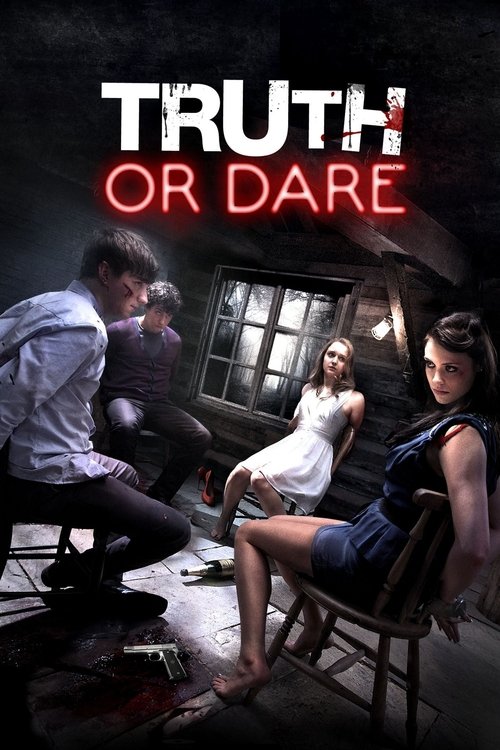
2012

2006
No reviews yet. Be the first to share your thoughts on this movie!
Use the rating form above to leave a star rating and optional review.