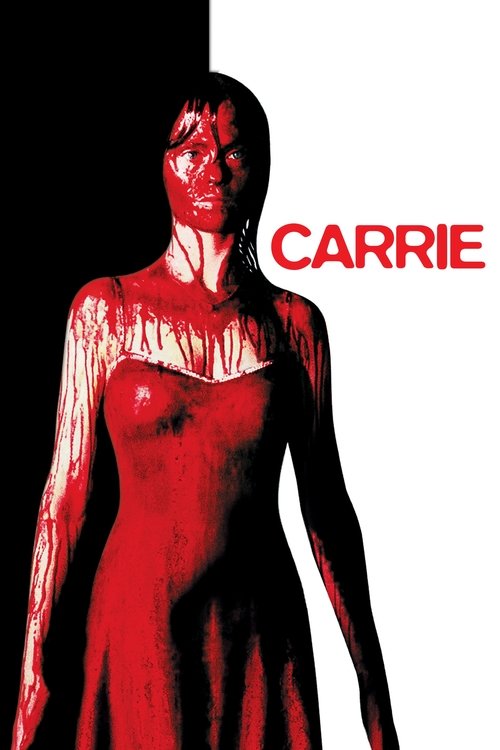
Carrie
2002
No user ratings available yet
Representation score: 6.7 out of 10

Representation Score
Good
2013
RDirector
Kimberly Peirce
Runtime
101 minutes
Average Rating
No ratings yetNew Showbiz Analysis
Carrie (2013) excels as a character-driven story that challenges traditional power structures. By focusing on the protagonist's struggle against misogyny and religious oppression, the film goes beyond simple horror to critique systemic issues. However, its impact is limited by a lack of diverse representation and engagement with broader perspectives that reflect multiple aspects of identity. Ultimately, the film is strongest in deconstructing institutional authority but relies on traditional formulas regarding disability and racial demographics.
Category Breakdown
The film does not include characters with non-straight identities. Sexual awakening themes are presented within a traditional straight relationship context.
The story challenges the stereotype of passive females by focusing on a powerful female protagonist. It highlights the impact of misogynistic social structures and rituals.
The cast is predominantly white and focuses on a typical Western high school setting. There is no significant diversity in terms of race or ethnicity.
The film criticizes religious fundamentalism by showing it as a tool of oppression rather than moral guidance. It questions the effectiveness of traditional protective institutions.
The film explores Carrie's social isolation and her telekinetic powers, which highlight psychological vulnerability and neurodivergence. However, these traits mainly serve as catalysts for the violent climax.
Present on Screen
Limited or Absent
Official Synopsis
An awkward, telekinetic teenage girl is the object of relentless bullying at school and an oppressively religious mother at home.
2002
2012
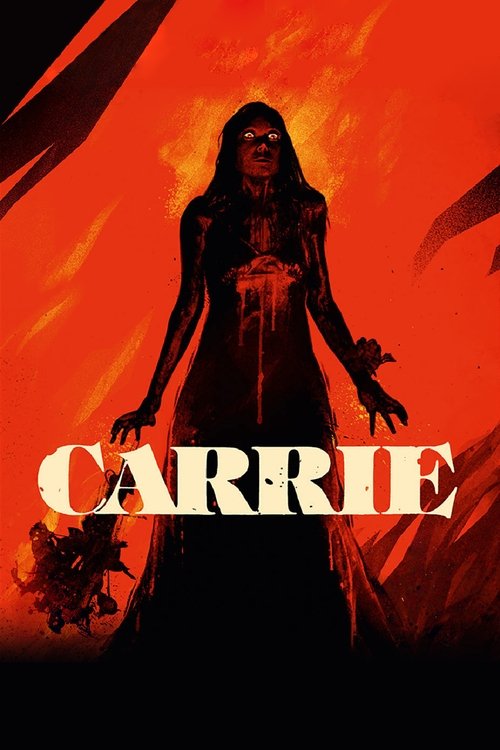
1976

2012

2014

2004
2008

1976
No reviews yet. Be the first to share your thoughts on this movie!
Use the rating form above to leave a star rating and optional review.