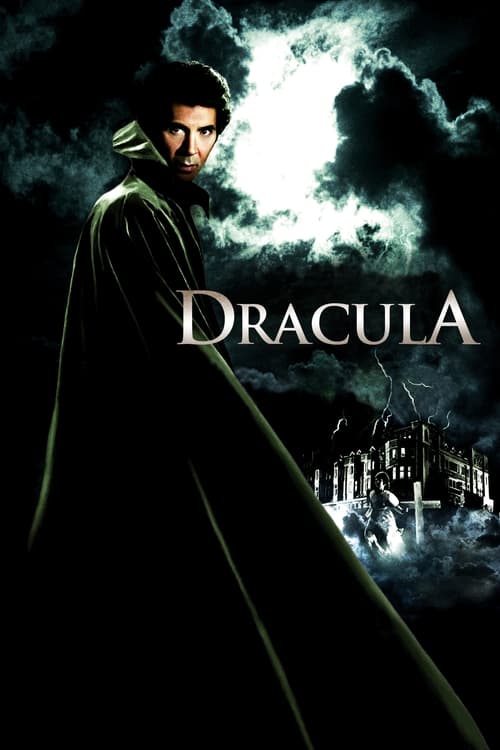
Dracula
1979
No user ratings available yet
Representation score: 2.1 out of 10
Representation Score
Fair
1992
RDirector
Francis Ford Coppola
Runtime
128 minutes
Average Rating
No ratings yetNew Showbiz Analysis
Coppola’s adaptation succeeds by using the Gothic genre to challenge historical social norms and traditional hierarchies. It moves beyond standard horror by prioritizing psychological depth and complex character's ability to drive the story over simple moral binaries. The film excels in its nuanced portrayal of gender and its deconstruction of the hero-villain archetype. By treating the antagonist with romantic complexity, it invites a more subjective moral engagement from the audience. However, the work remains limited by its lack of explicit LGBTQ+ identities and its reliance on traditional religious symbols. The racial dynamics, while present through a post-colonial lens, remain centered on Western European traditions.
Category Breakdown
The film explores supernatural themes that blur bodily autonomy and desire. Although there are no explicit same-sex pairings, the subtext challenges traditional views on sexuality through primal, disruptive desires.
Mina Murray is given significant intellectual and emotional ability to act, defying Victorian gender roles. The relationship between Mina and Lucy challenges submissive femininity by framing female desire as a central plot driver.
The narrative contrasts the 'civilized' London setting with the 'othered' Transylvanian origins of the Count, highlighting the tension of a foreign entity infiltrating the British Empire. It uses a post-colonial lens to explore these dynamics.
The film deconstructs moral binaries by presenting Dracula as a tragic, romantic figure rather than pure evil. However, it relies on traditional religious symbols like the Cross as functional tools of protection.
There are no prominent depictions of physical or neurodivergent disabilities that serve as central character arcs or plot devices.
Present on Screen
Limited or Absent
Official Synopsis
Count Dracula, a 15th-century prince, is condemned to live off the blood of the living for eternity. Young lawyer Jonathan Harker is sent to Dracula's castle to finalise a land deal, but when the Count sees a photo of Harker's fiancée, Mina, the spitting image of his dead wife, he imprisons him and sets off for London to track her down.
1979

1958
2012
1970
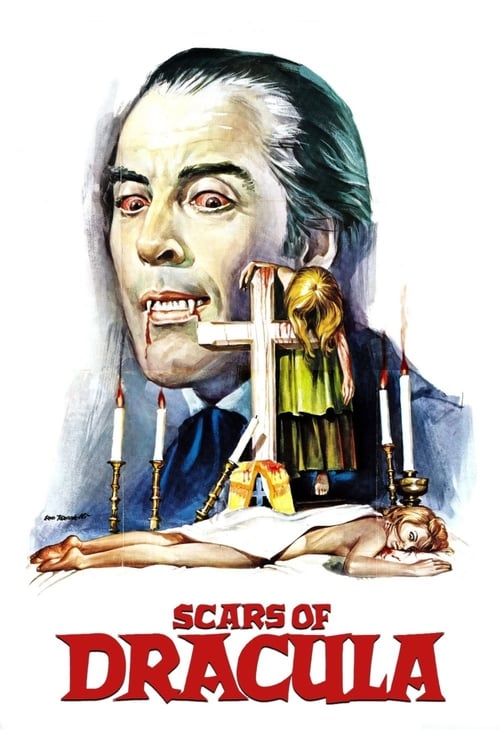
1970
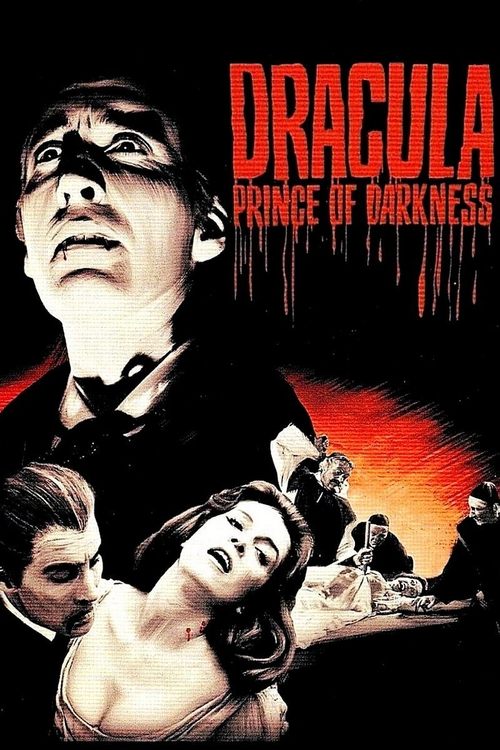
1966
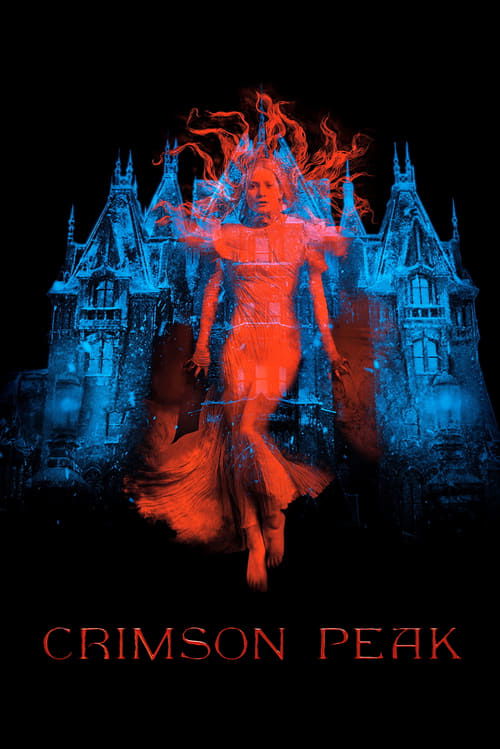
2015
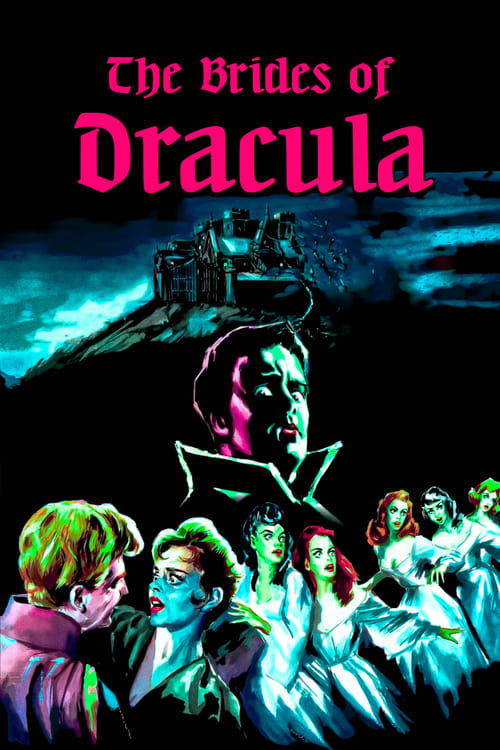
1960
No reviews yet. Be the first to share your thoughts on this movie!
Use the rating form above to leave a star rating and optional review.