
The Kite Runner
2007
No user ratings available yet
Representation score: 5.6 out of 10
Representation Score
Limited
2008
RDirector
Clint Eastwood
Runtime
116 minutes
Average Rating
No ratings yetNew Showbiz Analysis
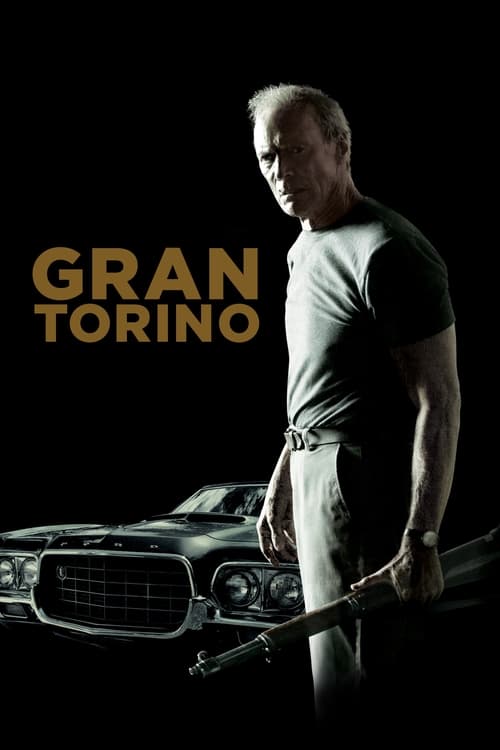
Gran Torino is a character study that balances traditional patriarchal structures with a profound engagement with the immigrant experience. While the film relies heavily on male-driven conflict, it succeeds in centering the Hmong community's struggle for survival. The narrative avoids common clichés by framing the protagonist's intervention as a necessary sacrifice rather than a benevolent imposition. This allows the Hmong characters to maintain their own choices and resilience. However, the film's narrow focus on traditional masculinity and its lack of representation for LGBTQ+ and disabled individuals result in a low overall diversity score.
Category Breakdown
The film does not include any LGBTQ+ characters and does not explore non-straight identities. The story stays within a framework that assumes everyone is straight.
Men play a central role in driving the conflict and bonding in the story. Women are given peripheral, domestic roles that limit their influence on the plot.
The film offers meaningful representation of the Hmong community living in Detroit. Hmong characters like Thao play a significant role in driving the story and resilience throughout the narrative.
The story critiques the American Dream through the lens of Detroit's urban decay. It explores moral relativism and the failure of modern Western institutions to protect underrepresented communities.
There is no significant focus on visible or invisible disabilities. The narrative prioritizes themes of aging and the physical toll of veteran status.
Present on Screen
Limited or Absent
Official Synopsis
Disgruntled Korean War veteran Walt Kowalski sets out to reform his neighbor, Thao Lor, a Hmong teenager who tried to steal Kowalski's prized possession: a 1972 Gran Torino.
2007
1967

1998
1988
1999

2007
2000

2011
No reviews yet. Be the first to share your thoughts on this movie!
Use the rating form above to leave a star rating and optional review.