Sylvia
2003
No user ratings available yet
Representation score: 6.4 out of 10
Representation Score
Excellent
2002
RDirector
Julie Taymor
Runtime
123 minutes
Average Rating
No ratings yetNew Showbiz Analysis
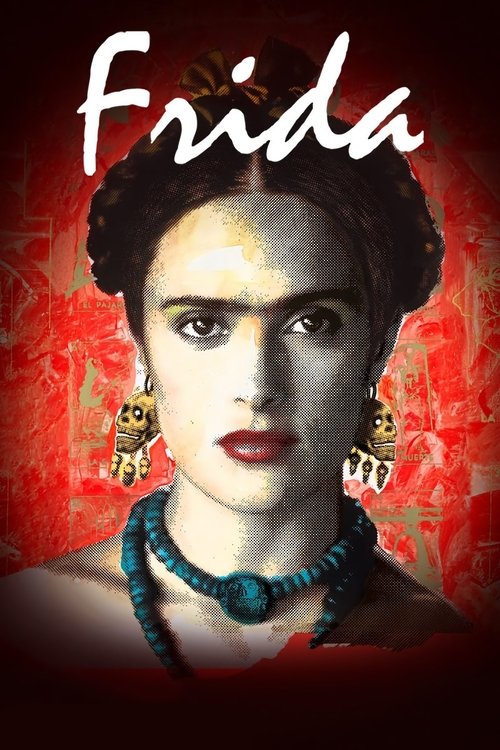
Julie Taymor's direction creates a sophisticated biopic that challenges conventional narratives. By blending surrealism with biographical reality, the film focuses on psychological depth and identity politics rather than traditional heroism. The film excels by integrating themes of queer identity, post-colonial Mexican heritage, and subverted gender dynamics. It avoids common clichés like 'inspiration porn' or the 'passive woman,' instead presenting a protagonist defined by her refusal to conform to traditional domestic expectations. Ultimately, the work stands as a progressive cinematic achievement. It positions Mexican identity as the central lens of the narrative, offering a nuanced critique of Western social structures and traditional morality.
Category Breakdown
The film highlights Frida Kahlo's bisexuality, showing her relationships with women as integral to her identity rather than as secondary plot points.
Frida Kahlo is portrayed with strong ability to act and intellectual vigor that often overshadows the men in her life. The narrative explores the volatile power dynamics between Kahlo and Diego Rivera, challenging traditional gender roles.
Set in post-revolutionary Mexico, the film features a predominantly Mexican cast to emphasize national identity. It celebrates indigenous influences through its visual style.
The film explores Marxist ideas and critiques capitalist systems through the artistic community. It presents a subjective, non-Western perspective focused on personal freedom rather than traditional morality.
Frida Kahlo's physical struggles from polio and a bus accident are shown as a catalyst for her surrealist art. The film avoids sentimentality, instead portraying her limitations with raw realism and dignity.
Present on Screen
Limited or Absent
Official Synopsis
A biography of artist Frida Kahlo, who channeled the pain of a crippling injury and her tempestuous marriage into her work.
2003
1996

2013
1988
2001
1995

2014
1986
No reviews yet. Be the first to share your thoughts on this movie!
Use the rating form above to leave a star rating and optional review.