
High Art
1998
No user ratings available yet
Representation score: 8.3 out of 10
Representation Score
Excellent
2005
PG-13Director
Chris Columbus
Runtime
135 minutes
Average Rating
No ratings yetNew Showbiz Analysis
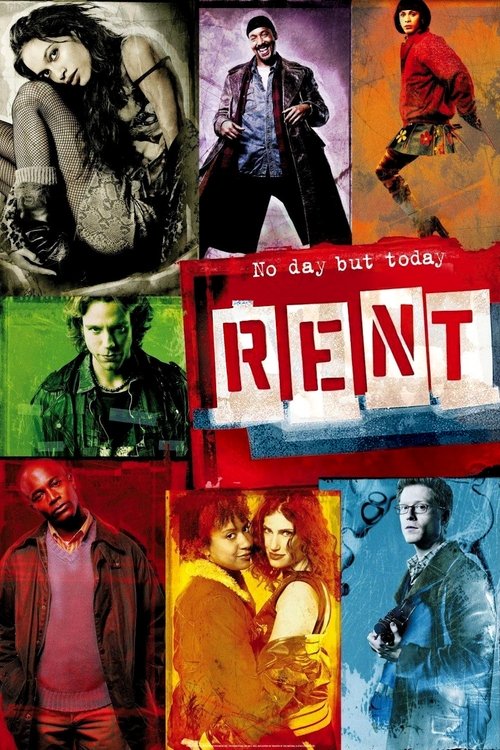
Rent serves as a progressive social critique that challenges traditional notions of family and morality. By centering queer intimacy and the realities of the HIV/AIDS epidemic, the film brings underrepresented identities to the forefront of the story. The production effectively challenges established social hierarchies, emphasizing communal solidarity and identity-driven survival. It highlights the struggle against poverty and gentrification as a central conflict, offering a nuanced look at urban life. While the film excels in its portrayal of queer and cultural identities, the racial diversity, though present, remains somewhat secondary to the shared themes of poverty and illness.
Category Breakdown
Queer identities play a central role in the emotional journey of the film. Non-traditional relationships, such as those between Angel and Collins, are validated, highlighting the lived experiences of the HIV/AIDS crisis.
Female characters like Mimi and Maureen play a significant role in driving the story and intellectual autonomy. They shape their own destinies rather than serving as passive figures.
The diverse cast reflects the multicultural community of the East Village. This casting avoids white-centric standards, showcasing a non-homogeneous urban environment.
The film emphasizes the concept of 'chosen family' over traditional nuclear families. It critiques capitalism and gentrification while highlighting the subjective truths of underrepresented groups.
Chronic illness and the AIDS epidemic are addressed with gravity and ability to act. The narrative avoids pity or inspiration porn, focusing instead on the systemic challenges faced by those living with life-altering conditions.
Present on Screen
Limited or Absent
Official Synopsis
In New York City's gritty East Village, a group of bohemians strive for success and acceptance while enduring the obstacles of poverty, illness and the AIDS epidemic.
1998

1995

2005
1998

2021

1992

2009

2012
No reviews yet. Be the first to share your thoughts on this movie!
Use the rating form above to leave a star rating and optional review.