Moonlight
2016
RNo user ratings available yet
Representation score: 9.8 out of 10
These lists use approved LGBTQ+ representation scores for 2010s films that have written notes. Highest-scoring films are those whose notes describe more on-screen LGBTQ+ representation. Lowest-scoring films are those whose notes describe little or none. Neither list is a quality ranking.
The film explores queer identity through a nuanced lens, avoiding stereotypes by showing how same-sex intimacy interacts with societal pressures.
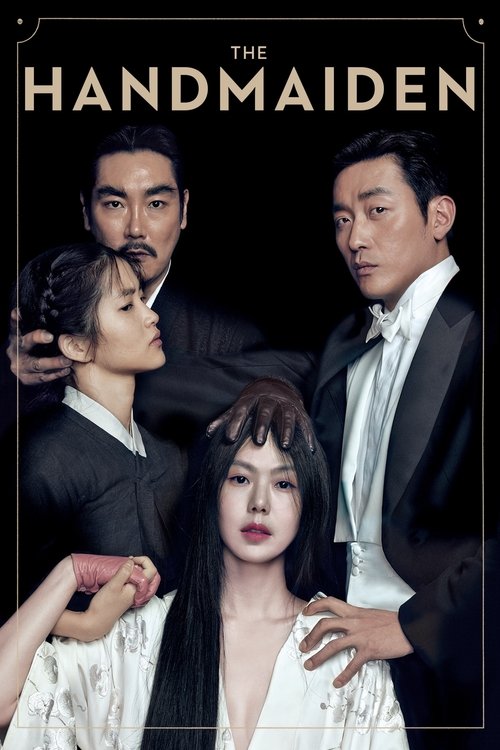
The central narrative focuses on the romantic and erotic bond between Sook-hee and Hideko. Their relationship serves as a powerful act of defiance against a restrictive social order.
The film focuses on a deep romantic and erotic relationship between two women. It goes beyond token representation to show a central queer experience within an 18th-century setting.
The film focuses entirely on queer lives, going beyond token representation. It portrays same-sex relationships as essential to human connection.
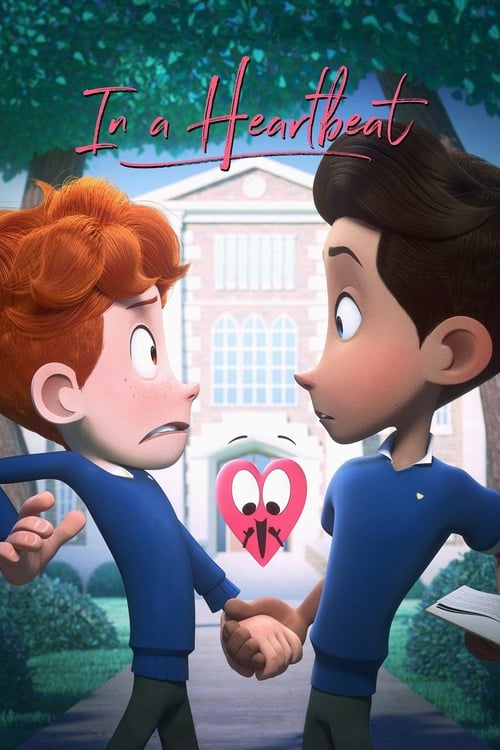
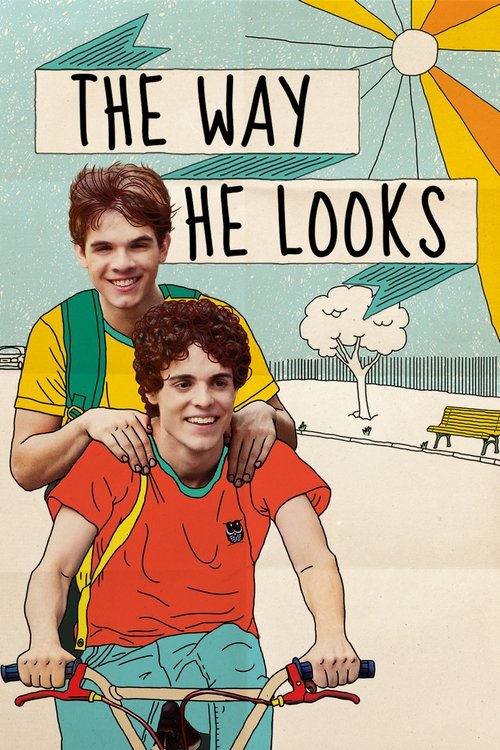
The film focuses on the experiences of queer adolescents, using the heart as a symbol for vulnerability. It highlights the risks of coming out and the importance of true identity.
The film explores the psychological impact of forced conformity on queer identity. It goes beyond including someone from a minority group without giving them real depth to criticize the institutional suppression of non-conforming identities.
The film focuses on queer characters who play key roles in political and social change. It shows same-sex relationships and domestic life with honesty and authenticity, while criticizing assumptions that everyone is straight or cisgender.
The film focuses on trans feminine identities as central to its storyline. Characters have strong ability to act and complex emotions, avoiding the typical tragic stereotypes often seen in mainstream movies.
The film centers on the transgender experience, focusing on the protagonist's struggle with gender dysphoria and her journey towards femininity in the world of ballet.
The film centers on Marina, a transgender woman, presenting her as a fully realized individual. It avoids tragic clichés and focuses on her dignity and the societal attempts to invalidate her grief.
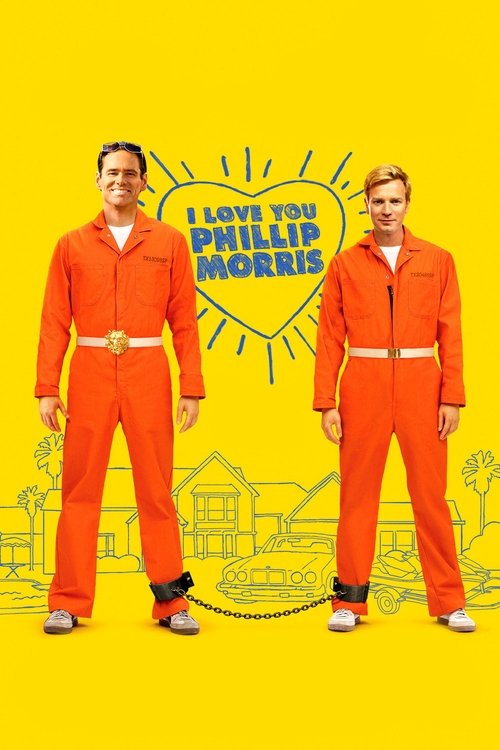
The film focuses on a same-sex romance, where the main characters pursue intimacy and legal recognition as the core of their story.
The film focuses on a romantic relationship between Elio and Oliver, highlighting their emotional and sexual intimacy with sensitivity and nuance.
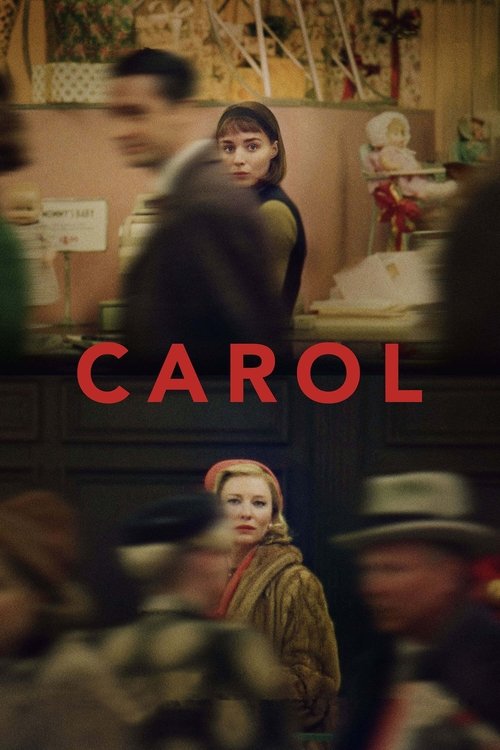
The film centers its narrative around a lesbian relationship, exploring themes of sexual awakening and domestic life without relegating these elements to minor roles. It provides a strong foundation for queer cinema by focusing on these themes throughout the story.
The film explores same-sex intimacy deeply and emotionally, avoiding tragic clichés. It highlights the ability to act and depth of feelings in the central relationship.
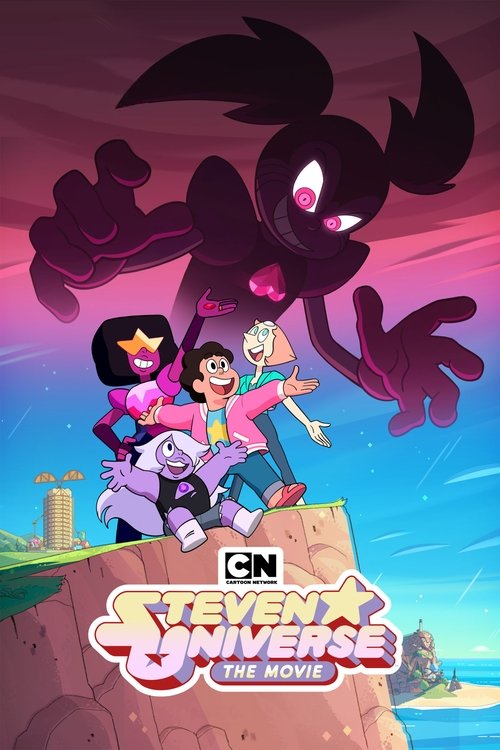
The film uses non-human Gems as powerful symbols for non-traditional gender identities and sexual orientations. It highlights identity fluidity and rejects strict, traditional assumptions about gender and sexuality, making queer and non-binary identities central to the story.
The film focuses its entire storyline on a character's journey with a non-binary gender identity. The protagonist's experience with gender fluidity and biological changes is crucial to the story's structure and progression.
The film centers around a lesbian domestic partnership, treating queer identity as a normalized part of daily life rather than a source of conflict. Characters navigate their relationships with significant influence and control.
The film centers on a queer protagonist, exploring the psychological impact of societal pressure to conform to heterosexual norms. It also highlights the harmful effects of conversion therapy.
The film focuses on same-sex relationships as its main storyline rather than a side plot. Jasmine and Dallas play key roles, making their connection a deep exploration of identity and sexual awakening.
The film focuses on Laurence's journey as a transgender woman, making her transition the main emotional storyline. It delves into the intricacies of non-binary gender identity and queer relationships with great depth.
The film focuses on queer identity and same-sex relationships, avoiding common clichés by exploring the intersection of intimacy and family trauma through psychological realism.
The film focuses on gay male identities and the cruising subculture, showing same-sex intimacy in a raw, naturalistic way that avoids sanitized mainstream depictions.
The film focuses deeply on a lesbian relationship, using power exchanges to explore the complexities of same-sex desire.
The film focuses on the everyday life of a long-term same-sex couple, avoiding typical storylines about coming out or past traumas. It treats their 39-year relationship as a fundamental part of their lives, not just a plot point.
The film focuses on the protagonist's journey towards accepting his queer identity. It uses fantasy sequences to explore non-traditional gender experiences and same-sex relationships.
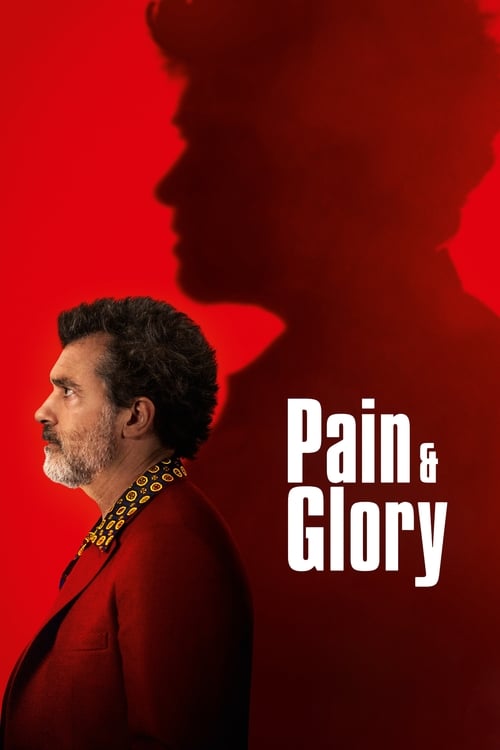
The film focuses on the life of Salvador Mallo, a gay man, integrating his sexual orientation into his artistic development rather than treating it as a side issue.
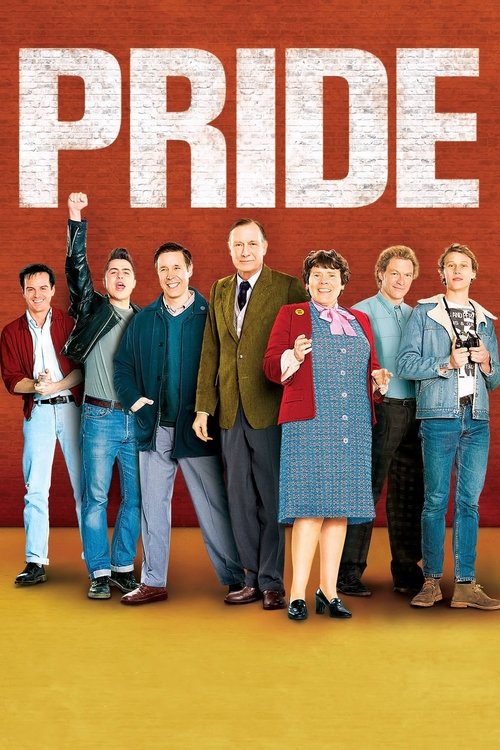
The film centers on LGBTQ+ activists who drive the plot through community organizing. It depicts same-sex relationships with organic nuance and critiques the societal structures of the 1980s.
The film focuses on the romantic and sexual freedom of its female characters. It critiques the societal pressure to conform to traditional gender roles by showing how it stifles authentic self-expression.
The film focuses on a queer romantic relationship that explores intimacy and sexual awakening. It avoids typical romantic clichés, presenting a realistic portrayal within a traditionally straight-centered environment.
The film centers around a polyamorous triad, treating same-sex intimacy between Elizabeth and Olive as a foundational domestic element. This nuanced approach presents a functional, non-assuming gender matches what was assigned at birth ecosystem rather than a peripheral subplot.
The film centers around diverse sexual orientations and gender expressions, presenting them as the norm in the characters' lives.
The film centers on a same-sex romantic relationship, offering a sophisticated and normalized portrayal of queer intimacy. It avoids tired clichés like coming-out struggles, focusing instead on the everyday reality of such relationships.
The film focuses on a long-term same-sex romantic relationship rather than a coming-out storyline. It presents a respectful portrayal of queer intimacy and the shared trauma of the HIV/AIDS epidemic.
The film focuses on the romantic and sexual awakenings of its protagonists, making these experiences central to the story. It explores the complexities of intimacy and identity within a restrictive social environment.
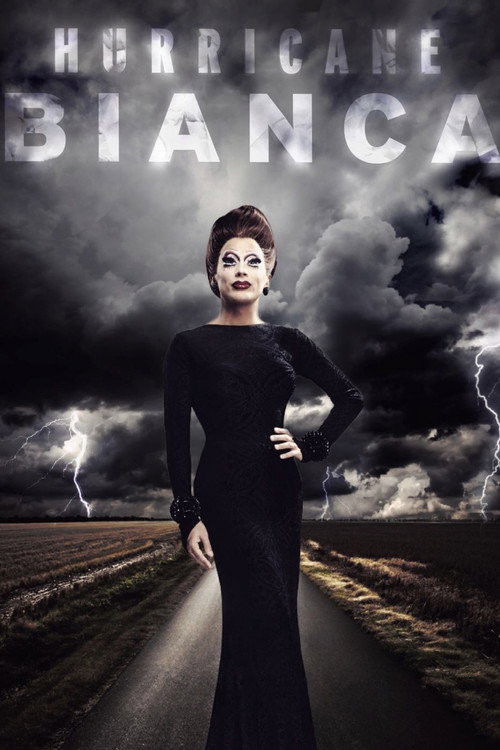
The film centers around a drag queen who drives the plot, using drag culture to explore non-traditional gender performances and critiquing the assumption that everyone is straight or cisgender.
The film focuses on the queer experience, giving the protagonist significant emotional depth. It delves into digital intimacy and the complexities of coming out within a non-straight-focused context.
The film integrates LGBTQ+ identities smoothly into the high school environment. Characters like Gigi help make same-sex attraction a regular part of the school experience rather than a main conflict.
The film focuses on a deep, long-lasting relationship between two men, moving beyond token representation to explore the complexities of same-sex intimacy and devotion. This connection serves as the primary driver of character development and growth.
The film explores the emotional complexities of male-to-male romance, focusing on fluidity of attraction rather than just coming out struggles. It moves beyond including someone from a minority group without giving them real depth to deeply examine the nuances of queer relationships.
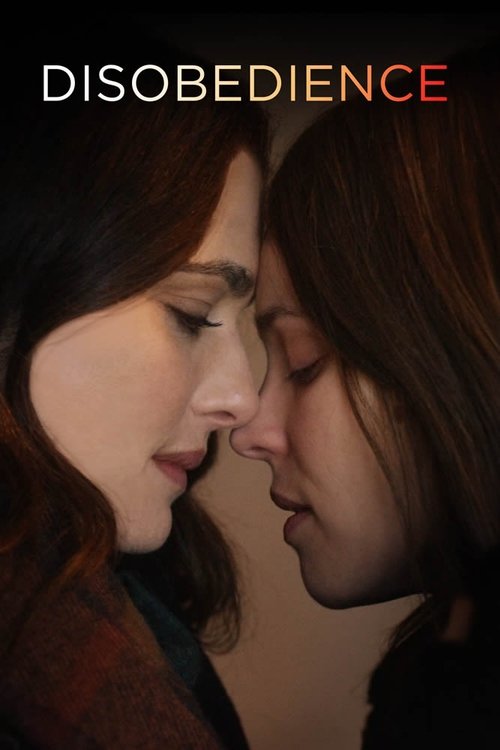
The film focuses on a strong, intimate romantic and physical relationship between two women, which drives the emotional development and stakes of the characters.
The film centers on Allen Ginsberg's emerging queer identity and his developing sexuality. Same-sex intimacy is a key element driving the plot.
The film focuses on the emotional connection and longing between gay men, presenting their relationships as a central theme rather than a minor subplot. It avoids simplistic stereotypes and highlights the vulnerability and psychological complexity of their identities.
The film features a budding same-sex relationship between Leonardo and Gabriel. It portrays queer attraction naturally, emphasizing intimate connections rather than trauma or external conflicts.
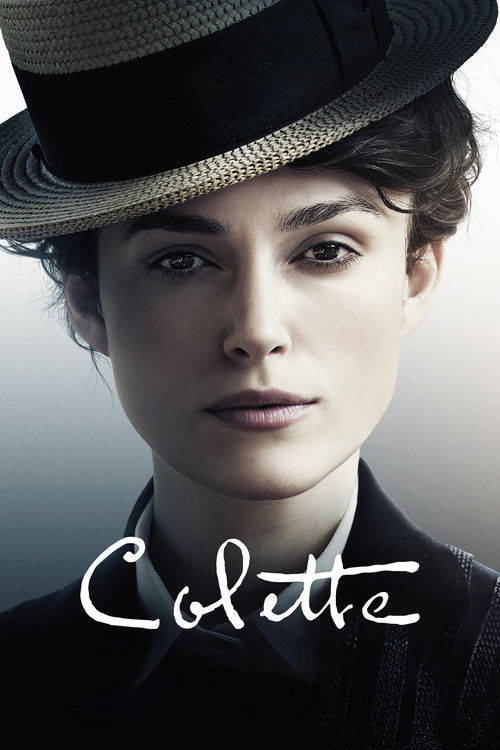
The film focuses on the protagonist's queer identity, which is integral to her character. It delves into female intimacy and desire within the strict social norms of the Belle Époque.
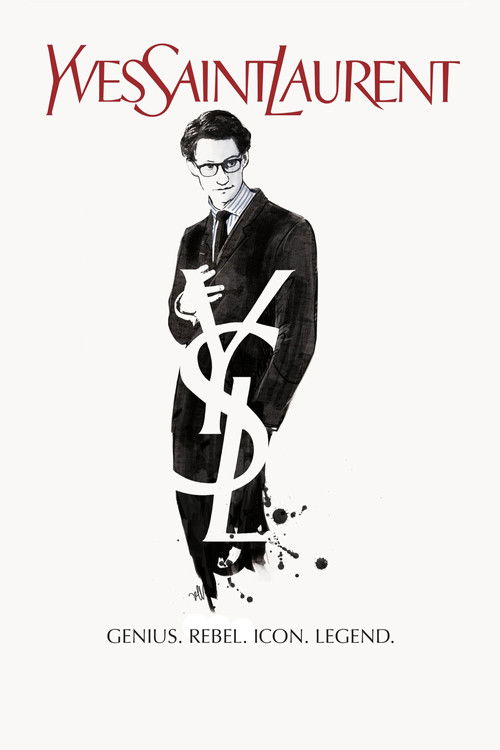
The film focuses on the romantic and professional relationship between Yves Saint Laurent and Pierre Bergé, highlighting their same-sex partnership as a key driver of the plot. This relationship allows the characters to take control of their emotional and domestic lives.
The film focuses on the romantic and emotional relationship between two men, making queer identity central to the story rather than a side plot. It explores the psychological conflicts surrounding this relationship.
The film focuses on the intimate relationship between Alba and Natasha, providing them with significant roles and emotional depth. It moves beyond including someone from a minority group without giving them real depth to highlight their ability to act and emotional connections.
The film focuses on a queer relationship, exploring the complexities of living in the closet during the 1970s and 80s. It delves into the intersection of queer identity and the AIDS crisis, showing how these factors intertwine in the characters' lives.
The film centers LGBTQ+ identity as its main storyline rather than a side plot. It explores the complexities of coming out within a traditional family without relying on tragic clichés.
The film centers on the exploration of queer identity and the fluidity of sexual orientation. It integrates same-sex intimacy into the protagonist's core psychological development rather than treating it as a peripheral plot point.
No LGBTQ+ characters, relationships, or themes appear. Arthur’s connections are strictly heterosexual or familial.
No same-sex couples, romantic partners, or non-binary characters appear. The film features no queer dialogue, intimacy, or identity markers.
No same-sex couples or non-binary characters appear. The cast consists of men and women in survival dynamics.
No same-sex intimacy or queer characters appear. All romantic and social bonds follow a strictly heterosexual, binary structure.
No LGBTQ+ characters, intimacy, or discussion appear on screen. The romantic dynamics are strictly heterosexual, pairing Thor with Jane and leaving other relationships undefined.
No same-sex couples, queer characters, or non-binary identities appear on screen. Romantic and familial bonds are strictly heterosexual or platonic.
No same-sex couples, romantic intimacy, or non-binary characters appear. The cast is entirely heterosexual, and no dialogue or plot points address sexual orientation or gender identity.
No same-sex couples, queer identities, or non-binary characters appear in the film. Romantic and sexual dynamics are strictly heterosexual between the Park and Kim family members.
No LGBTQ+ characters, same-sex relationships, or queer identities appear in the film. The narrative focuses entirely on mutant status, familial bonds, and survival in a dystopian future.
No characters identify as LGBTQ+, and no same-sex romance or intimacy is depicted. The narrative focuses entirely on racial dynamics within a heterosexual relationship.
No LGBTQ+ characters, same-sex romance, or gender-nonconforming identities appear on screen. All relationships are strictly platonic, fraternal, or hierarchical between male soldiers, civilians, and officers.
The film does not include any LGBTQ+ characters or narratives. The interpersonal dynamics focus on the protagonist's isolation and her eventual detachment from human social structures.
The film focuses on a relationship between Baby and Debora that assumes both are straight. There are no characters with non-traditional sexual orientations or gender identities.
The film does not include any non-straight or non-cisgender identities and does not challenge the assumption that everyone is straight or cisgender.
The film focuses on a strictly heterosexual and cisgender nuclear family. There are no visible LGBTQ+ characters or non-cisgender identities present.
The film does not include any LGBTQ+ characters or explore non-straight relationships. The story centers on the survival dynamics between two main figures.
The story focuses on a relationship between Clark Kent and Lois Lane that assumes both are straight and cisgender. There are no characters or critiques that challenge these assumptions.
The film lacks prominent LGBTQ+ characters or storylines. Interpersonal dynamics focus on traditional romantic tensions within straight-centered relationships.
The film features an ensemble of anthropomorphic objects without explicitly depicting LGBTQ+ identities or non-conforming gender expressions.
The film does not explicitly depict same-sex relationships or non-binary identities. Character interactions revolve around traditional heterosexual and family structures typical of high fantasy.
The film follows a traditional framework that assumes everyone is straight or cisgender. There are no depictions of same-sex relationships or non-cisgender identities.
The film does not engage with LGBTQ+ themes or non-straight identities. The social landscape is shown through a strictly traditional lens.
The film does not include any LGBTQ+ characters or narratives. It focuses solely on heterosexual relationships, such as the central romance between Peter Parker and Gwen Stacy.
The film focuses on heterosexual relationships and does not include any LGBTQ+ identities or same-sex intimacy.
The film does not include any LGBTQ+ characters or same-sex relationships. The story focuses on avoiding arranged marriages, which keeps it within traditional heterosexual boundaries.
The film does not include any LGBTQ+ characters or non-straight relationships. The story centers around traditional heterosexual relationships involving the Driver and Irene.
The film does not include any LGBTQ+ characters or explore non-heterosexual identities. The story focuses solely on the protagonist's survival and spiritual journey.
The film focuses solely on masculine combat bonds and survival. It does not depict any non-straight relationships or same-sex intimacy.
The film does not include any LGBTQ+ characters or non-straight relationships. The central romantic and family structures are shown through a traditional straight-focused lens.
The film focuses solely on the romantic relationship between Chris and Taya Kyle, without including any LGBTQ+ identities or storylines.
There are no visible LGBTQ+ characters or narratives in the film, which centers on a heterosexual relationship.
The film does not include any LGBTQ+ characters or non-straight relationships. It centers on a traditional family structure without challenging typical heterosexual relationships.
The film does not include any LGBTQ+ characters or non-cisgender identities. It portrays a strictly heterosexual and hyper-masculine environment typical of a 1945 military setting.
The film does not include any visible LGBTQ+ characters or non-straight relationships. The social environment focuses solely on traditional marriages and nuclear families.
The film does not include any LGBTQ+ characters or explore non-traditional sexual or gender identities. Emotional journeys are focused on conventional family and romantic relationships.
The film does not include any LGBTQ+ characters or non-assuming gender matches what was assigned at birth identities. It focuses solely on a cisgender, heterosexual romantic relationship.
There are no LGBTQ+ characters or non-straight relationships in the film. The story focuses on the relationship between apes and humans.
The film does not include any queer subtexts or non-assuming gender matches what was assigned at birth identities. It focuses on survival within the strict societal norms of the 19th-century South.
The film does not include any LGBTQ+ characters. The story focuses solely on the protagonist's predatory ambitions and his professional relationship with Nina.
The film adheres to an assumption that everyone is straight or cisgender. The central emotional storyline focuses on the romantic relationship between Jack and Victoria.
The film does not include any significant LGBTQ+ characters or storylines. It does not engage with non-traditional gender identities or queer themes.
The film does not include any LGBTQ+ characters or storylines. It centers on heterosexual relationships and traditional interpersonal connections.
The film does not include any LGBTQ+ characters or explore non-straight relationships. The focus is on the friendship between the male leads and the relationship between one of them and his father.
The film adheres to a structure that assumes everyone is straight or cisgender, with no depiction of queer identities or subtext suggesting otherwise.
The film centers around a heterosexual relationship and does not include non-binary gender identities or LGBTQ+ character arcs.
The film focuses on the domestic and professional lives of its protagonists within the social realities of the early 1960s. It does not include LGBTQ+ characters or explore queer identities.
The film doesn't include any LGBTQ+ identities or queer-coded subtext. Relationships focus solely on traditional romantic interests.
The film does not include any LGBTQ+ characters or explore non-straight relationships. It focuses on a solitary male protagonist and his relationship with a female character, without engaging with queer themes.
The film does not include any LGBTQ+ characters or non-assuming gender matches what was assigned at birth identities. It follows a traditional structure focused on the Brody family.
The film doesn't include any LGBTQ+ characters or explore non-traditional gender identities. The story focuses solely on the survival of apes and human military structures.