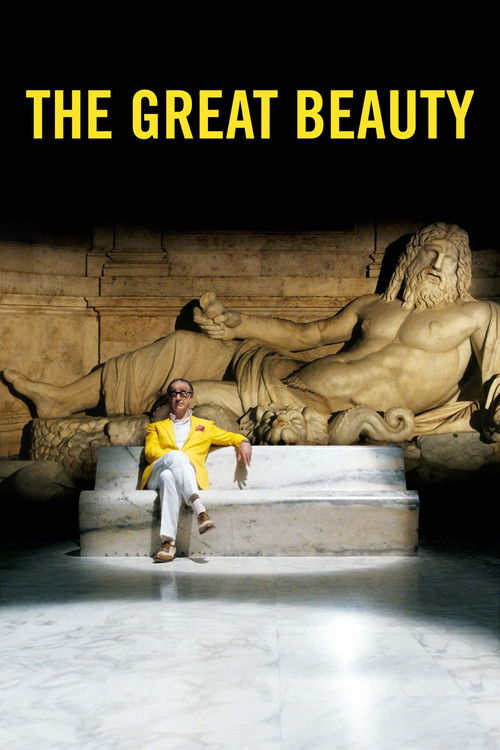
The Great Beauty
2013
No user ratings available yet
Representation score: 6.7 out of 10

Representation Score
Excellent
2019
RDirector
Pedro Almodóvar
Runtime
114 minutes
Average Rating
No ratings yetNew Showbiz Analysis
Pedro Almodóvar crafts a sophisticated, non-straight-centered narrative where identity shapes the core themes. By focusing on an aging, LGBTQ protagonist, the film defies traditional hero narratives. The work stands out for its nuanced depiction of physical suffering and its exploration of the psychological impact of memory. It moves beyond superficial representations to provide a deeper understanding of how personal history and physical decline affect a creator's identity. Despite its deep localization and lack of broad racial diversity, the film remains a powerful example of inclusive storytelling. It promotes situational ethics and challenges conventional social hierarchies through a highly personal lens.
Category Breakdown
The film focuses on the life of Salvador Mallo, a gay man, integrating his sexual orientation into his artistic development rather than treating it as a side issue.
The story challenges traditional gender roles by elevating the maternal figure to a position of significant influence. It portrays a complex, intellectual relationship rather than relying on typical domestic scenarios.
This film, set in a Mediterranean context, features a predominantly white cast. It stays true to its Spanish roots, emphasizing regional identity over diverse racial backgrounds.
The narrative criticizes oppressive societal structures and highlights personal authenticity over strict religious doctrine. It emphasizes individual truth over traditional definitions of success.
Salvador’s ongoing physical pain and declining health are shown as integral to his identity. The film avoids clichés, instead illustrating how health issues impact his creative expression and outlook.
Present on Screen
Limited or Absent
Official Synopsis
Salvador Mallo, a filmmaker in the twilight of his career, remembers his life: his mother, his lovers, the actors he worked with. The sixties in a small village in Valencia, the eighties in Madrid, the present, when he feels an immeasurable emptiness, facing his mortality, the incapability of continuing filming, the impossibility of separating creation from his own life. The need of narrating his past can be his salvation.
2013
1963

2021
2003

2016

2023
1999
2017
No reviews yet. Be the first to share your thoughts on this movie!
Use the rating form above to leave a star rating and optional review.