
Terminator Genisys
2015
No user ratings available yet
Representation score: 5.4 out of 10

Representation Score
Excellent
2019
RDirector
Tim Miller
Runtime
128 minutes
Average Rating
No ratings yetNew Showbiz Analysis
Terminator: Dark Fate successfully reconfigures the franchise's power dynamics by shifting from a patriarchal lineage to a matriarchal framework. By centering women's ability to drive the story and diversifying the ethnic background of the lead, the film moves away from traditional genre clichés. The narrative's strength lies in its subversion of leadership roles, placing women at the forefront of the survival struggle. This structural change provides a more inclusive demographic landscape compared to previous installments. However, the film remains limited in its exploration of identity. While it makes strides in gender and ethnicity, it misses opportunities for deeper representation regarding LGBTQ+ identities and nuanced disability perspectives.
Category Breakdown
The film does not explicitly highlight LGBTQ+ identities or non-cisgender expressions. Grace has a unique physical condition, but the story does not use specific markers to identify her within a queer context.
The film breaks traditional gender hierarchies by replacing the male Connor lineage with three female protagonists. Women play key roles in intellect, combat, and survival.
Casting a Latina protagonist in Dani Ramos offers a progressive shift from the franchise's predominantly white cast. This choice gives high ability to act to a diverse lead character.
The story depicts Western military and government institutions as ineffective against existential threats. It favors individualistic, anti-authoritarian action over reliance on state structures.
Grace’s enhanced status touches on themes of physical difference and alienation. However, these elements function more as sci-fi plot devices than nuanced explorations of lived experience.
Present on Screen
Limited or Absent
Official Synopsis
Decades after Sarah Connor prevented Judgment Day, a lethal new Terminator is sent to eliminate the future leader of the resistance. In a fight to save mankind, battle-hardened Sarah Connor teams up with an unexpected ally and an enhanced super soldier to stop the deadliest Terminator yet.
2015

1999

2004

2009

1991

2012
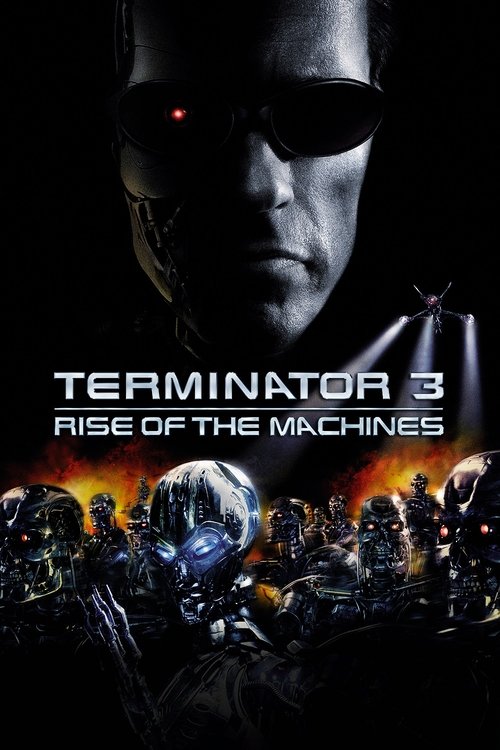
2003

1996
No reviews yet. Be the first to share your thoughts on this movie!
Use the rating form above to leave a star rating and optional review.