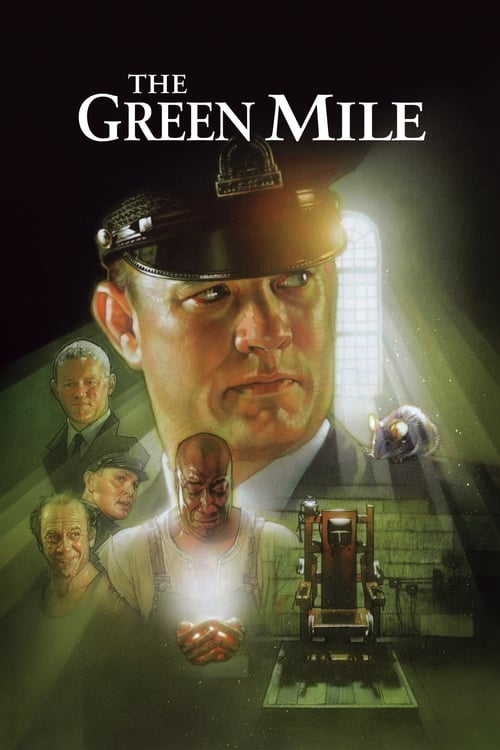
The Green Mile
1999
No user ratings available yet
Representation score: 6.0 out of 10
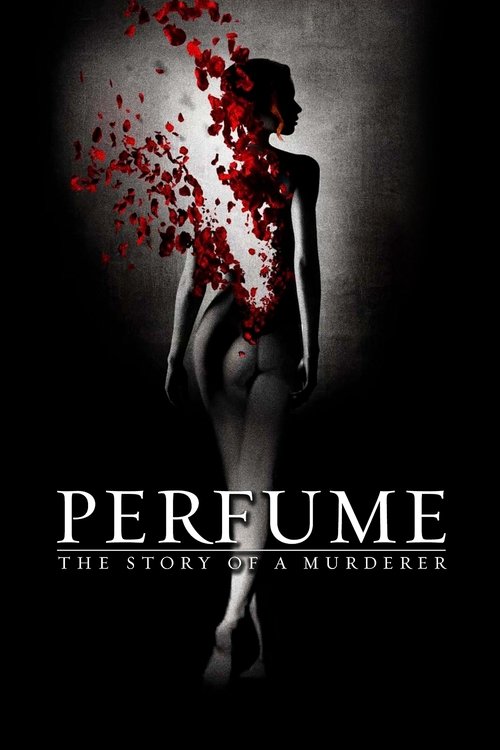
Representation Score
Limited
2006
RDirector
Tom Tykwer
Runtime
147 minutes
Average Rating
No ratings yetNew Showbiz Analysis
Perfume: The Story of a Murderer is a sensory-driven character study that prioritizes psychological depth over demographic breadth. While it falls short in gender and LGBTQ+ representation, it succeeds in offering a sophisticated critique of 18th-century social and religious hierarchies. The film's strength lies in its thematic subversion of Western institutional values. By framing the protagonist's crimes through artistic necessity, it challenges traditional moral frameworks and explores the breakdown of social authority. However, the film's reliance on the objectification of women and the use of sensory anomalies to signal monstrosity limits its progressive impact. It remains a deeply narrow, albeit stylistically ambitious, exploration of a singular, predatory perspective.
Category Breakdown
The film does not feature any LGBTQ+ characters or non-straight identities. The story centers around the protagonist's obsession with feminine scents.
Female characters have little control over their roles, serving mainly as passive objects for the protagonist's pursuit. The film fails the Bechdel test, focusing almost entirely on male obsession.
The cast reflects the historical homogeneity of 18th-century France. While it explores the 'othering' of the protagonist, it lacks meaningful racial or ethnic diversity.
The narrative provides a sharp critique of Western institutions and aristocracy. It embraces moral relativism, challenging standard religious and legalistic morality through the protagonist's sensory truth.
The protagonist's unique sensory condition drives the plot and his social isolation. However, the film relies on the 'monstrous other' cliché rather than a nuanced study.
Present on Screen
Limited or Absent
Official Synopsis
Jean-Baptiste Grenouille, born in the stench of 18th century Paris, develops a superior olfactory sense, which he uses to create the world's finest perfumes. However, his work takes a dark turn as he tries to preserve scents in the search for the ultimate perfume.
1999
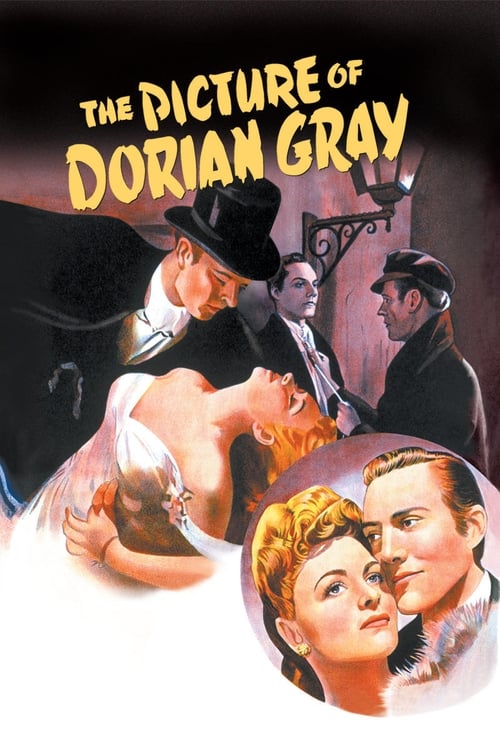
1945
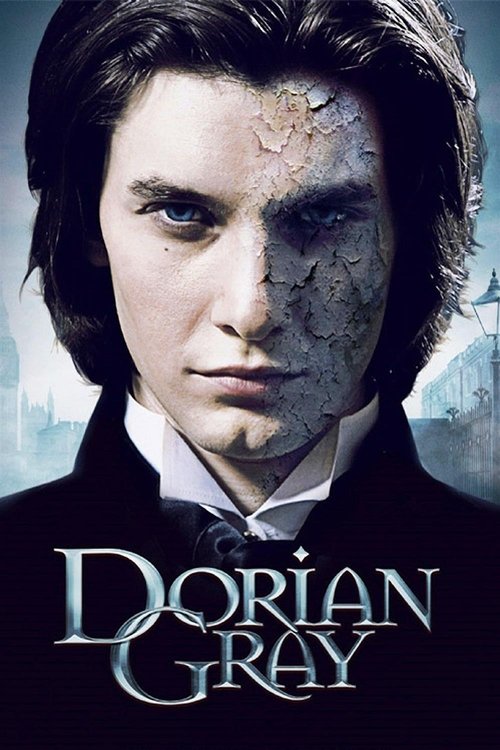
2009
1971
2017
2006
2018

2011
No reviews yet. Be the first to share your thoughts on this movie!
Use the rating form above to leave a star rating and optional review.