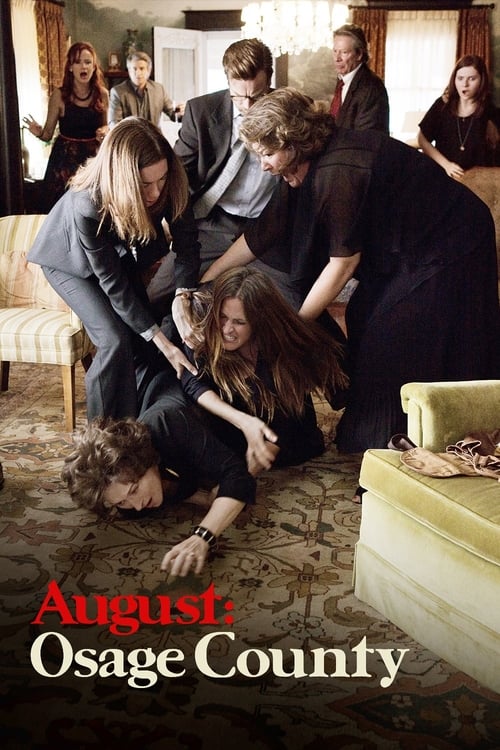
August: Osage County
2013
No user ratings available yet
Representation score: 6.8 out of 10
Representation Score
Good
1991
PG-13Director
Jon Avnet
Runtime
130 minutes
Average Rating
No ratings yetNew Showbiz Analysis
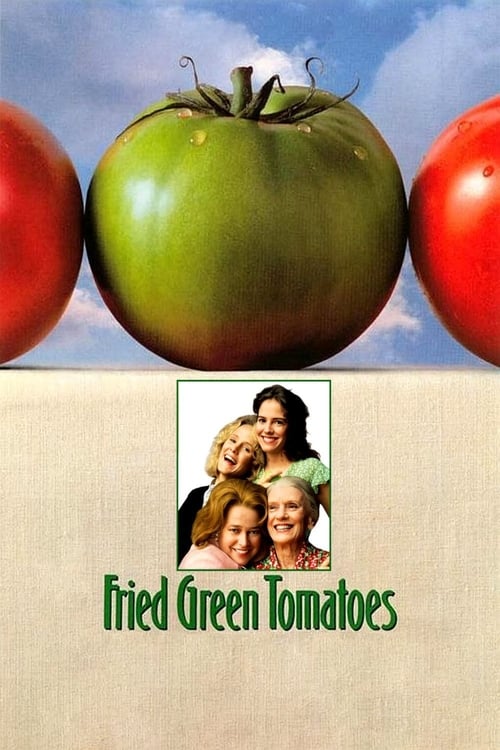
Fried Green Tomatoes challenges traditional historical narratives by using a dual-timeline structure to explore identity and power. By focusing on characters who exist outside accepted social norms, the film disrupts conventional hierarchies. The film's strength lies in presenting the subversion of authority as a necessary response to an oppressive system. It goes beyond a simple period drama to provide a nuanced critique of gender roles and racial structures. By emphasizing communal survival and situational ethics over institutional adherence, the narrative presents a moral landscape that questions the singular history of the American South.
Category Breakdown
The film focuses on the deep, non-traditional relationship between Idgie Threadgoode and Ruth Jamison. Their bond offers a critical look at the assumption that everyone is straight or cisgender within a 1920s context.
Idgie Threadgoode breaks away from the typical early 20th-century portrayal of women by rejecting traditional femininity. The story emphasizes a world driven by women's intelligence and resilience.
The story vividly portrays the systemic oppression faced by African Americans during the Jim Crow era. Black characters are shown with significant influence, avoiding superficial roles through intricate community bonds.
The film criticizes traditional Southern institutions, depicting legal and religious systems as part of the injustice. It favors personal loyalty over strict, segregationist social norms.
There are no central depictions of neurodivergence or physical disabilities. While aging is explored, it does not serve as a primary narrative driver.
Present on Screen
Limited or Absent
Official Synopsis
Amidst her own personality crisis, a southern housewife meets an outgoing old woman who tells her the story of Idgie Threadgoode and Ruth Jamison, two young women who experienced hardships and love in 1920s Whistle Stop, Alabama.
2013
1995

1997
1990

2002
1984
1998
1959
No reviews yet. Be the first to share your thoughts on this movie!
Use the rating form above to leave a star rating and optional review.