Warriors of the Wind
1984
No user ratings available yet
Representation score: 8.4 out of 10
Representation Score
Excellent
1997
PG-13Director
Hayao Miyazaki
Runtime
134 minutes
Average Rating
No ratings yetNew Showbiz Analysis
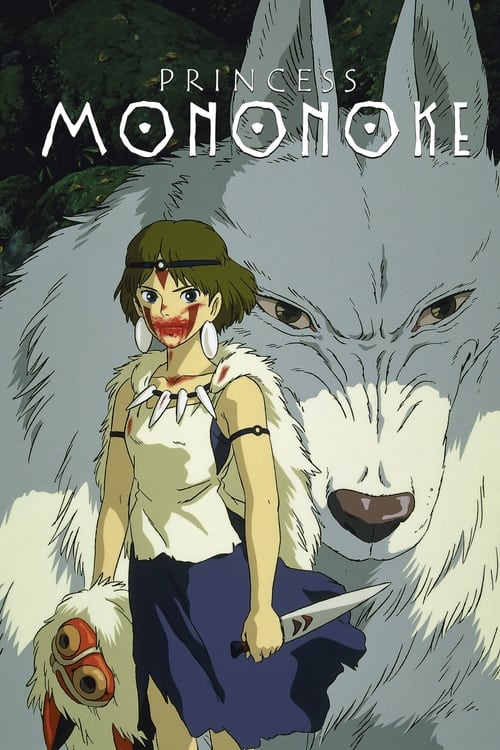
Princess Mononoke reimagines the traditional hero's journey by emphasizing mediation and coexistence over conquest. It stands out for its complex characters who challenge conventional social structures. The film's strength lies in its layered exploration of power dynamics. It delves into the tensions between socioeconomic classes, gender leadership, and the rights of underrepresented groups facing systemic expansion. Despite the absence of explicit LGBTQ+ identities, the film offers rich portrayals of gender, disability, and the challenges faced by displaced ethnic groups.
Category Breakdown
The film does not include explicit LGBTQ+ identities or same-sex romantic relationships. However, it avoids traditional romance by focusing on spiritual and survivalist bonds.
Women play key roles in driving the plot through their authority and independent thinking. Characters like Lady Eboshi and San reject traditional feminine roles and take charge of their own lives.
The story features the Emishi people, who are displaced and underrepresented. Ashitaka's viewpoint highlights the conflict between indigenous communities and expanding civilization.
The narrative avoids simple moral binaries, providing a nuanced look at industrial expansion. It portrays Iron Town as a sanctuary for those excluded by mainstream society.
Characters with physical disabilities are shown with dignity and as active contributors to their community. Their impairments are not used as mere plot devices.
Present on Screen
Limited or Absent
Official Synopsis
Ashitaka, a prince of the disappearing Emishi people, is cursed by a demonized boar god and must journey to the west to find a cure. Along the way, he encounters San, a young human woman fighting to protect the forest, and Lady Eboshi, who is trying to destroy it. Ashitaka must find a way to bring balance to this conflict.
1984
1968
1986
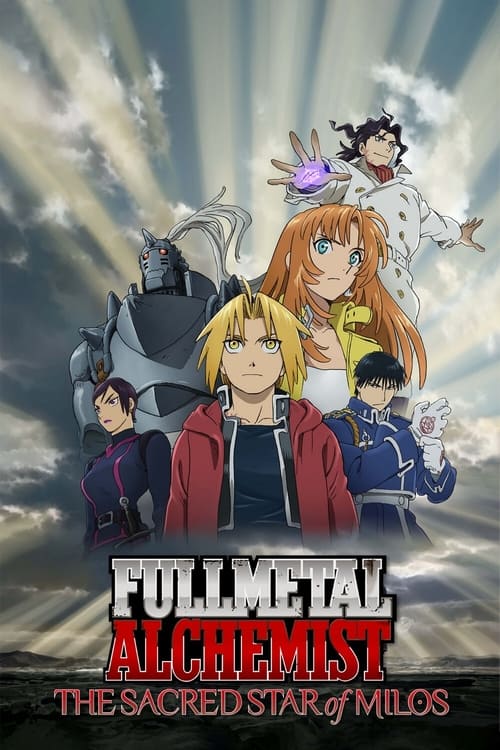
2011
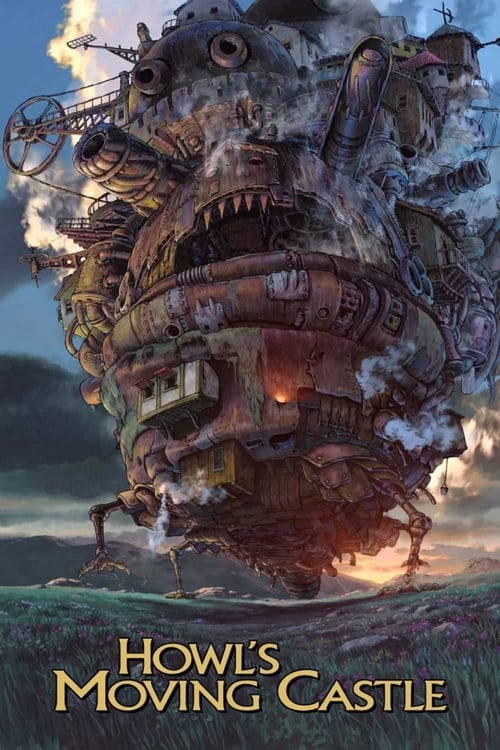
2004
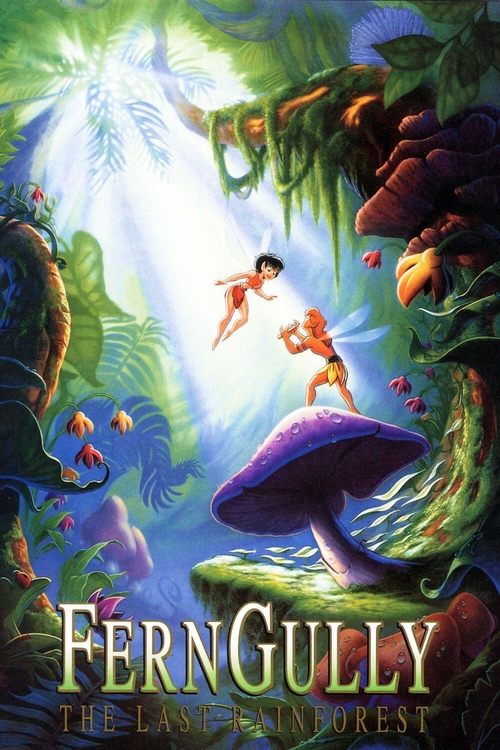
1992
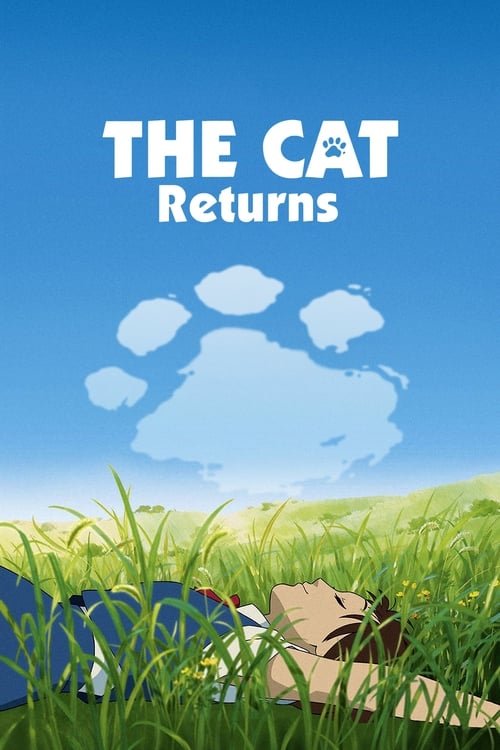
2002
1982
No reviews yet. Be the first to share your thoughts on this movie!
Use the rating form above to leave a star rating and optional review.