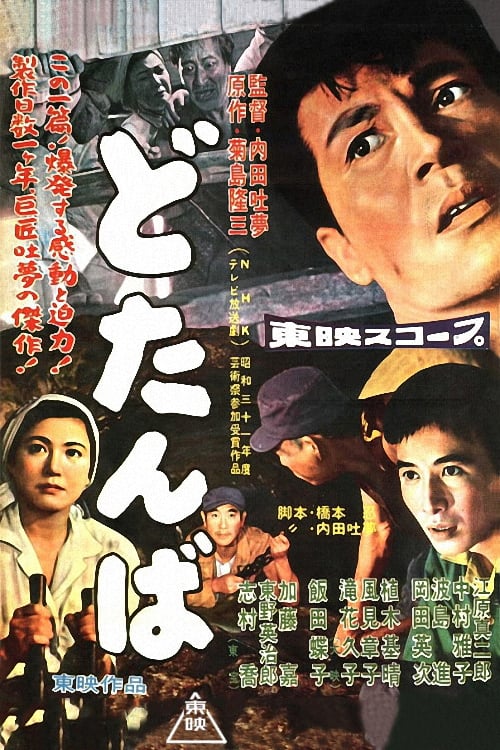
The Eleventh Hour
1957
No user ratings available yet
Diversity score: 4.2 out of 10

1960
Director
Tomu Uchida
Runtime
99 minutes
Average Rating
No ratings yetSynopsis
Kurando is a retired samurai. Granted a last-second reprieve from the obligation to commit harakiri, he decides to settle down and marry one of the two kabuki actresses who helped him enjoy what he thought would be his final days.
Overall Score
Minimal
Category Breakdown
LGBTQ+ Representation
The film operates within a strictly heteronormative framework. There is no evidence of non-cisnormative gender identities or same-sex intimacy.
Gender Representation
The film reinforces traditional gender hierarchies. The protagonist's agency is tied to his masculine role, while female characters are largely relegated to domestic spheres or roles supporting the patriarchal order.
Racial & Ethnic Diversity
As a period piece set in rural Japan, the cast is ethnically homogeneous. The film maintains historical authenticity without evidence of whitewashing or intersectional ethnic blending.
Religious & Cultural Diversity
The narrative is deeply rooted in traditionalism, emphasizing the sanctity of legacy and social order. It portrays traditional structures like family and craft as essential, stabilizing forces.
Disability Representation
There are no visible or invisible disabilities portrayed as central to the character arcs. Disability is not used as a narrative device in this story.
Strengths
Areas for Improvement
AI Analysis
The Master Spearman is a period drama that prioritizes the preservation of historical social structures and artisanal discipline. Its narrative architecture is designed to reinforce established hierarchies rather than challenge them. The film functions as a defense of pre-modern values against modernity. By focusing on the dignity of labor and the maintenance of social order, it avoids themes of moral relativism or social disruption. Consequently, the work lacks progressive representation. The focus on traditional familial and patriarchal structures results in a narrative that lacks intersectional complexity or diverse identity exploration.
1957
1957
1959
1986
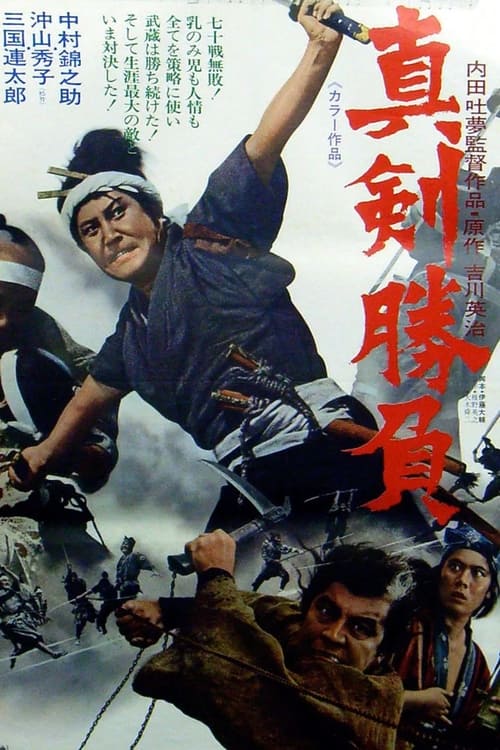
1971
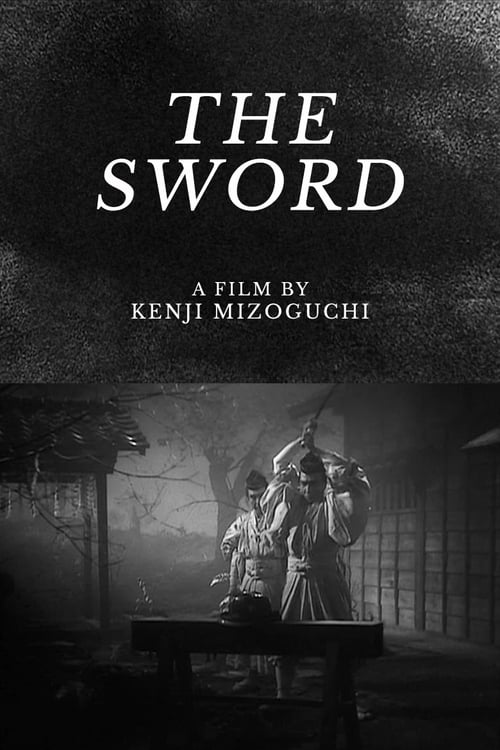
1945
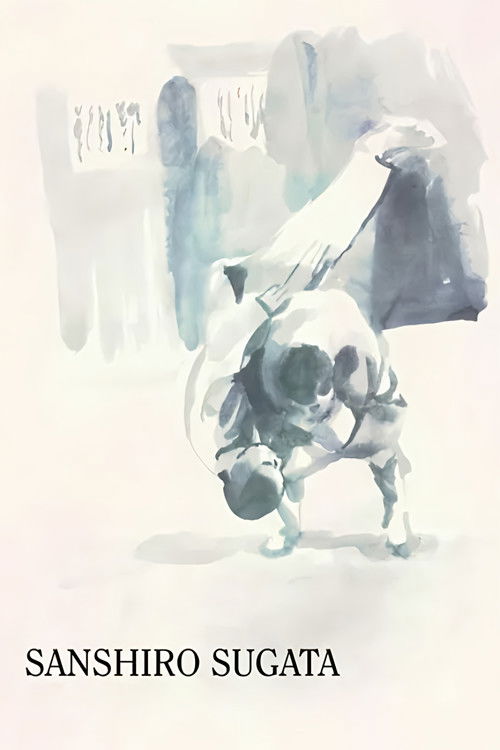
1943
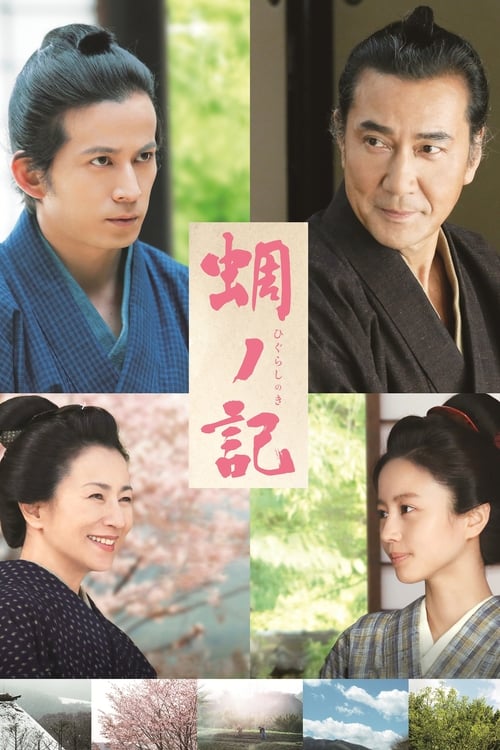
2014
1965
1958
1956
1961
No reviews yet. Be the first to share your thoughts on this movie!
Use the rating form above to leave a star rating and optional review.