
Lord Mito 2: The Nation's Vice Shogun
1959
No user ratings available yet
Representation score: 2.2 out of 10
Representation Score
Limited
1958
Director
Sadatsugu Matsuda
Runtime
92 minutes
Average Rating
No ratings yetNew Showbiz Analysis
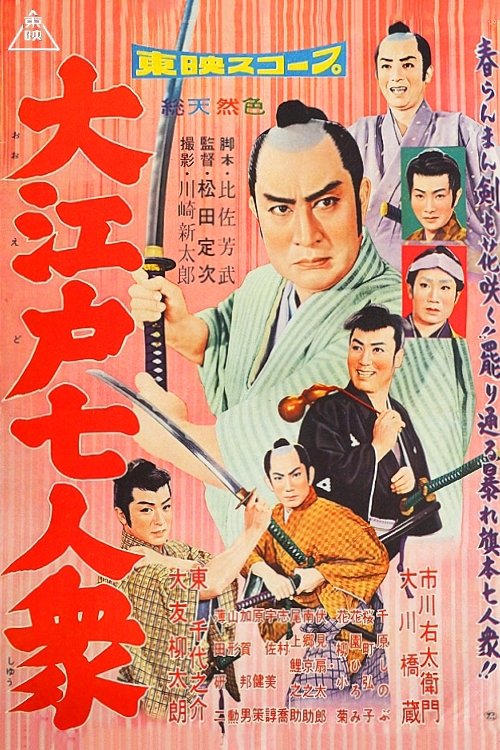
Seven from Edo is a period drama that closely follows the social hierarchies and genre conventions of the late 1950s. The narrative centers on the political and physical conflicts among male vassals, reinforcing traditional masculine roles and feudal honor codes. The film functions as a culturally specific historical piece rather than a multifaceted narrative. It adheres to the established clichés of the chanbara genre, focusing on class-based conflict and loyalty within a pre-modern Japanese social structure. Given its roots in the traditional studio system of its time, the film does not offer the critical perspective or diverse representation found in contemporary media. It remains a representative example of the era's cultural and social frameworks.
Category Breakdown
The film does not include any characters with non-binary gender identities or same-sex relationships. It follows a traditional framework that assumes everyone is straight and cisgender, typical of 1950s Japanese cinema.
The story focuses on a group of male warriors and their roles. It emphasizes masculine stereotypes of the warrior class without challenging traditional gender roles.
The cast is uniform, reflecting the specific ethnic context of Edo-era Japan. It serves as a culturally specific drama without incorporating multiple ethnicities.
The storyline is grounded in the feudal structures and honor codes of the Edo period. Morality is tied to traditional samurai principles and loyalty within a strict class system.
There is no information about characters with physical or neurodivergent disabilities.
Present on Screen
Limited or Absent
Official Synopsis
When Katsukawa, a low ranking vassal, learns that his greedy superior, Tatewaki, has hatched a plan to expand his territory, he and his comrades decide to take matters into their own hands. Lots of action in this all-star production from Toei Films, the foremost studio during that era. As with so many of their films, this is highly entertaining, with lots of plot twists and exciting swordplay
1959
1962
1961
1972
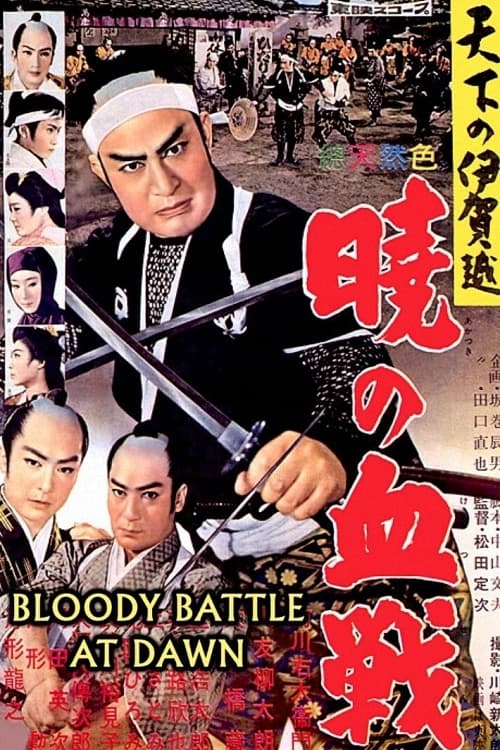
1959
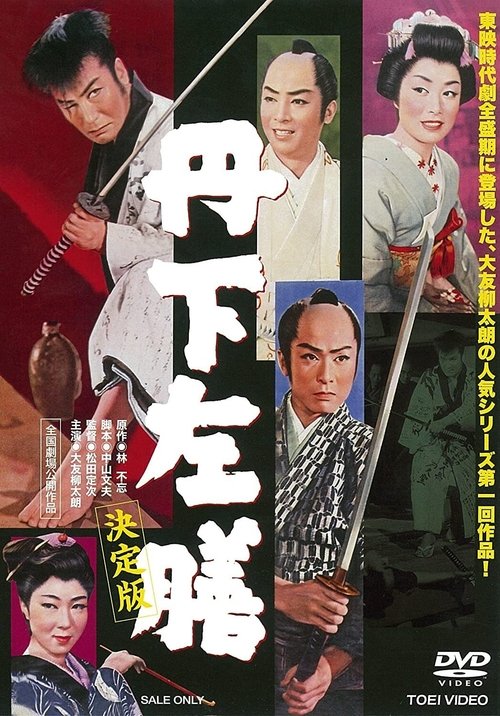
1958
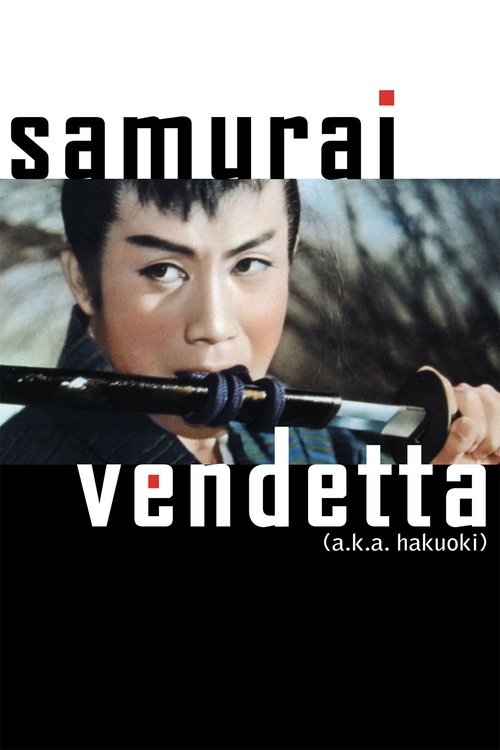
1959
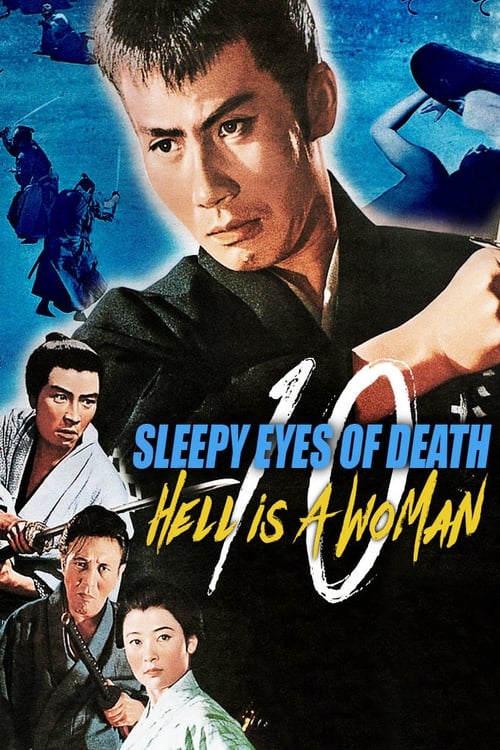
1968
No reviews yet. Be the first to share your thoughts on this movie!
Use the rating form above to leave a star rating and optional review.