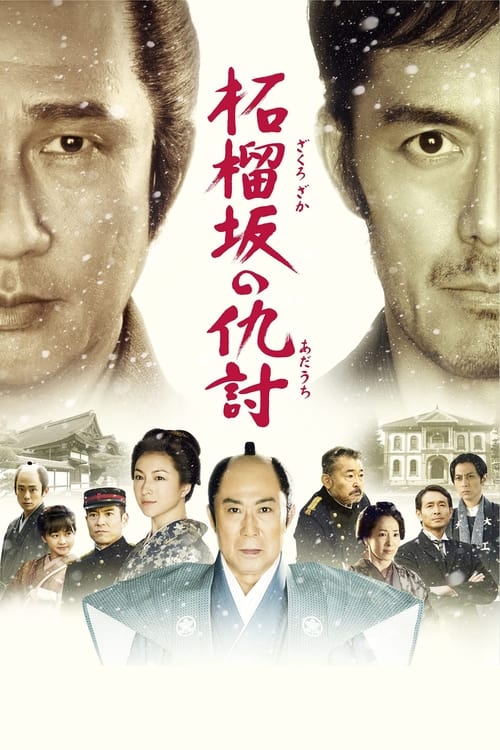
Snow on The Blades
2014
No user ratings available yet
Representation score: 1.8 out of 10
Representation Score
Minimal
2014
Director
Takashi Koizumi
Runtime
129 minutes
Average Rating
No ratings yetNew Showbiz Analysis
A Samurai Chronicle operates as a conventional historical drama centered on a traditional redemption arc. The narrative prioritizes individual morality and historical duty, adhering to established period drama clichés without challenging them. The film's structure relies heavily on masculine-centric storytelling and historical realism. This approach upholds the social hierarchies of the era, resulting in a narrative that lacks complexity in addressing multiple aspects of identity. While the film aims for historical accuracy, it does not offer representation for diverse identities or underrepresented groups. It remains a character study of a single man's atonement within a rigid social framework.
Category Breakdown
The film focuses on a male protagonist and his personal redemption journey. There are no non-binary or LGBTQ+ identities represented, nor are there narratives that challenge straight-centered assumptions.
The story centers around a male protagonist, following traditional historical drama frameworks. The narrative emphasizes masculine leadership and historical gender roles.
Set in a Japanese historical context, the cast reflects the ethnic homogeneity of the time. The film does not use race-bending or diverse identities to disrupt audience expectations.
The story engages with traditional concepts of honor, crime, and redemption. It adheres to historical social structures without critiquing traditional institutions.
There is no information available regarding the depiction of physical or neurodivergent characters within the film.
Present on Screen
Limited or Absent
Official Synopsis
A retired samurai must redeem himself for a crime that he committed earlier in his life.
2014
1967

2018
2011

2024

2018

2010
2021
No reviews yet. Be the first to share your thoughts on this movie!
Use the rating form above to leave a star rating and optional review.