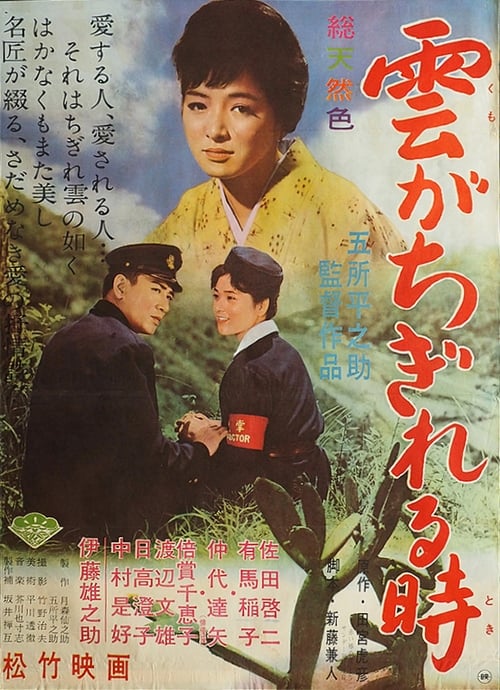
As the Clouds Scatter
1961
No user ratings available yet
Representation score: 4.4 out of 10
Representation Score
Minimal
1956
Director
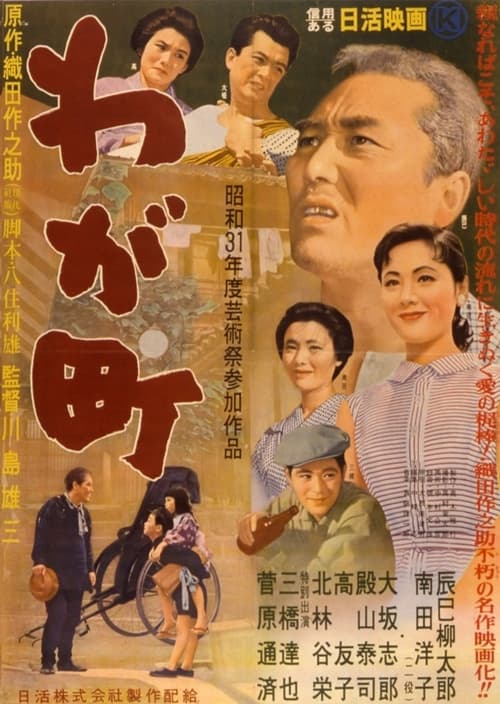
Yūzō Kawashima
Runtime
98 minutes
Average Rating
No ratings yetNew Showbiz Analysis
Yūzō Kawashima’s drama is a study of social realism that prioritizes historical accuracy over modern progressive representation. While the film provides a humanistic look at personal relationships, it primarily reinforces the social and gender hierarchies of early 20th-century Japan. The narrative structure is deeply rooted in tradition. Central conflicts arise from the tension between individual desires and the rigid expectations of the domestic sphere, limiting the scope of diverse identities.
Category Breakdown
The film does not include any LGBTQ+ characters or explore non-straight relationships. The main romantic storyline follows a typical heterosexual relationship without any queer undertones.
Female characters such as Hatsue have depth, but their roles are often limited by patriarchal structures. The story portrays womanhood within a traditional societal framework.
The cast is predominantly made up of Japanese actors, reflecting the 1906 setting. Although the protagonist spends time in the Philippines, the story focuses mainly on Japanese social life.
The story highlights family stability and social continuity during the early 1900s. It portrays life within a traditional social order without challenging established institutions.
There are no characters with visible or invisible disabilities portrayed in the film, nor are there any stories centered around individuals with disabilities.
Present on Screen
Limited or Absent
Official Synopsis
In 1906, after finishing a tough migrant job in the Philippines, Takichi has returned to Japan. He starts to work as a rickshaw driver, but his lover had died of an illness, leaving a baby girl, Hatsue. Hatsue grows up beautifully and falls in love with Shintaro. But Takichi objects to their relationship...
1961
1955
1960
1936
1956
2006
1955
1955
No reviews yet. Be the first to share your thoughts on this movie!
Use the rating form above to leave a star rating and optional review.