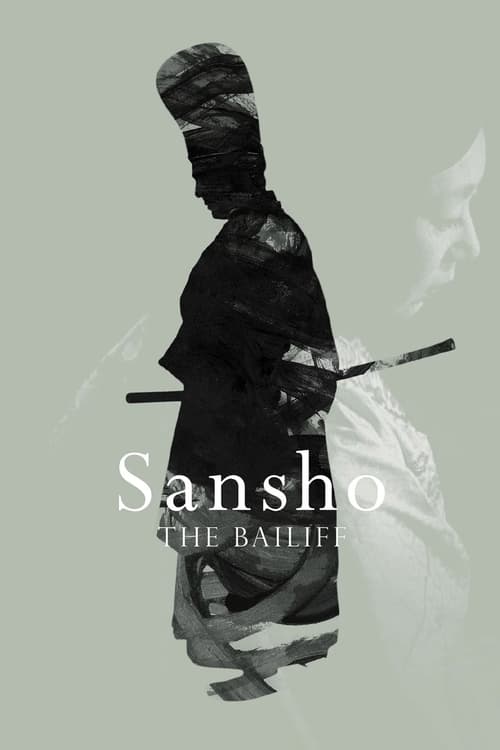
Sansho the Bailiff
1954
No user ratings available yet
Diversity score: 6.3 out of 10
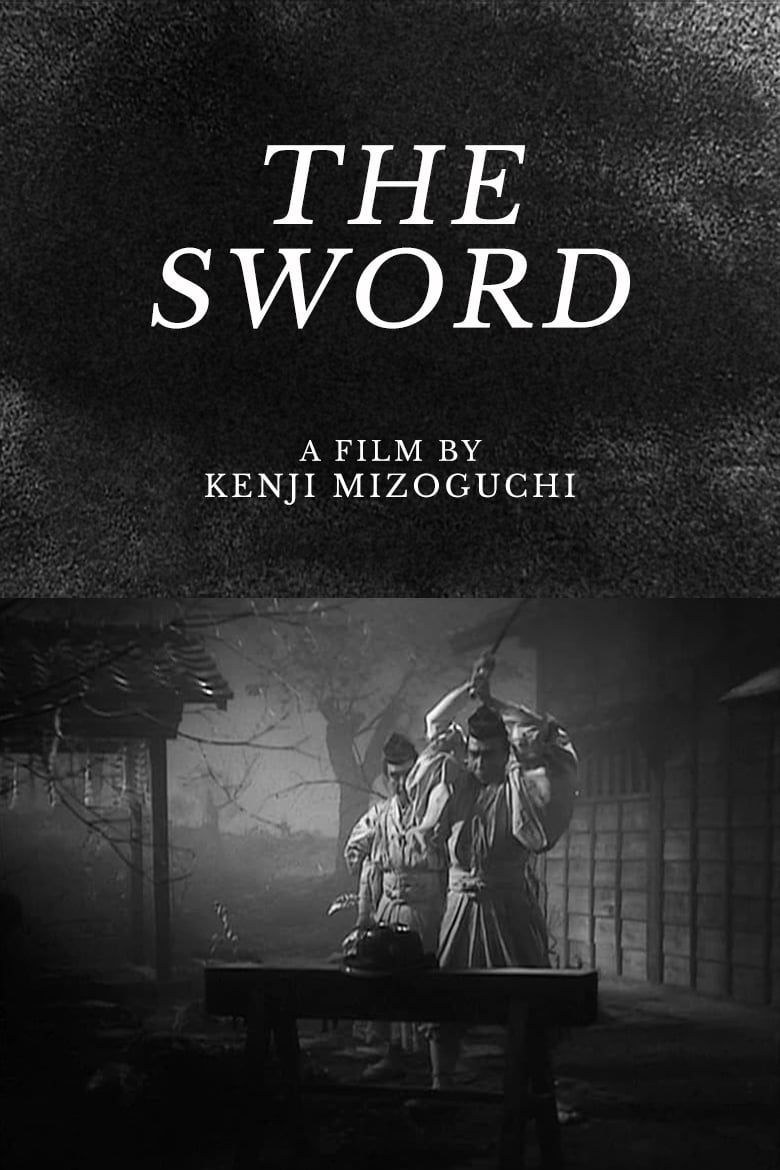
1945
Director
Kenji Mizoguchi
Runtime
65 minutes
Average Rating
No ratings yetSynopsis
In 19th-century Japan, a young swordsmith is determined to make the best sword possible after an inferior one he made indirectly led to the death of his guardian.
Overall Score
Limited
Category Breakdown
LGBTQ+ Representation
The film lacks any visible or implicit depictions of queer identities. Interpersonal dynamics remain strictly within the traditional social structures of 19th-century Japan.
Gender Representation
Female characters are largely confined to the domestic sphere. Their agency is often limited by their relationships to the male protagonist and patriarchal artisan hierarchies.
Racial & Ethnic Diversity
The cast and setting are culturally homogeneous. While this maintains historical accuracy for 19th-century Japan, it does not engage with diverse or intersectional identities.
Religious & Cultural Diversity
The narrative celebrates traditionalism, ritual, and the sanctity of craft. It aligns with established social orders rather than offering a critique of institutional structures.
Disability Representation
There are no prominent depictions of physical or neurodivergent disabilities. No characters with disabilities are utilized as narrative devices.
Strengths
Areas for Improvement
AI Analysis
Kenji Mizoguchi’s drama is a focused character study on craftsmanship and personal responsibility. It prioritizes historical authenticity and the pursuit of artistic perfection over the subversion of social hierarchies. The film operates within a conventional mid-20th-century framework, emphasizing individual mastery and adherence to tradition. This results in a narrative that reinforces existing social structures rather than challenging them. While the film is a disciplined look at 19th-century Japanese life, it lacks the breadth of representation found in more intersectional or modern works.
1954
1953
1941
1944
1960
2014
1943
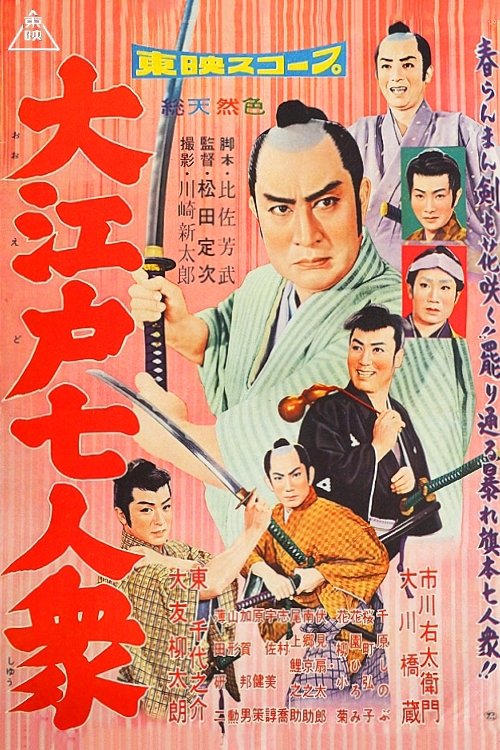
1958
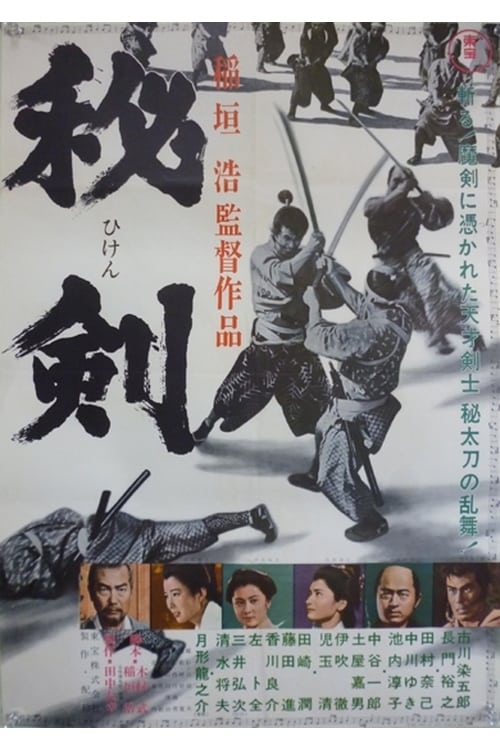
1963

2018
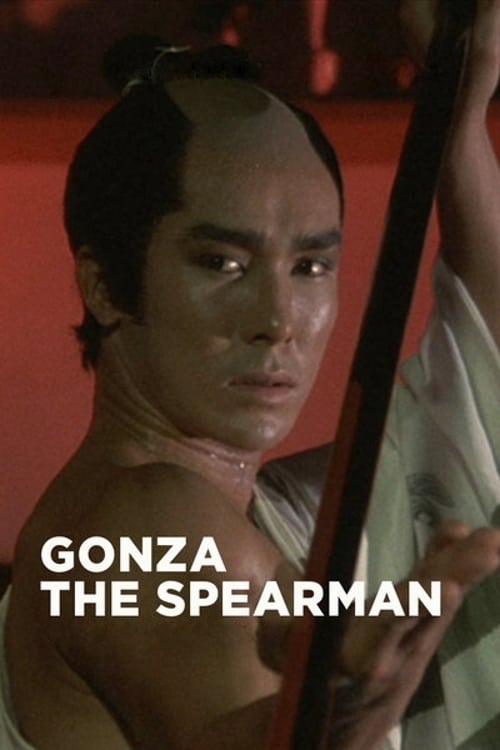
1986
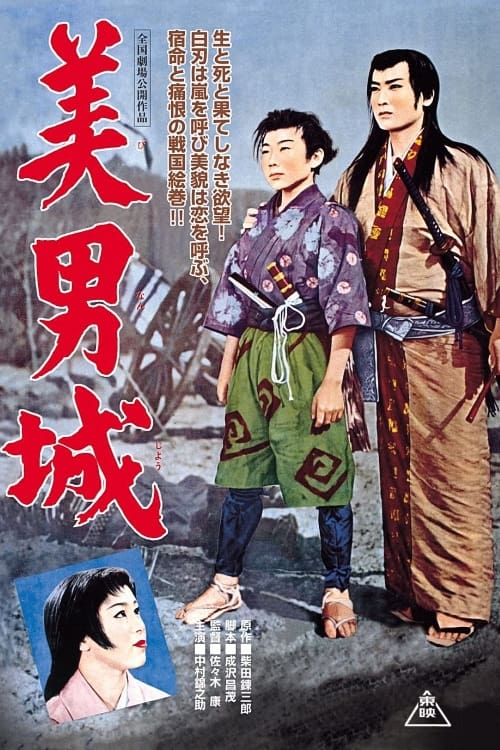
1959
No reviews yet. Be the first to share your thoughts on this movie!
Use the rating form above to leave a star rating and optional review.