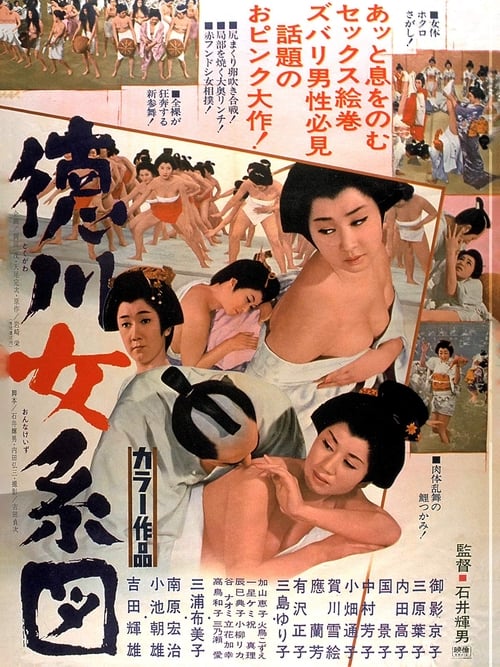
Tokugawa: Woman's Genealogy
1968
No user ratings available yet
Representation score: 4.5 out of 10

Representation Score
Limited
1986
Director
Masahiro Shinoda
Runtime
126 minutes
Average Rating
No ratings yetNew Showbiz Analysis
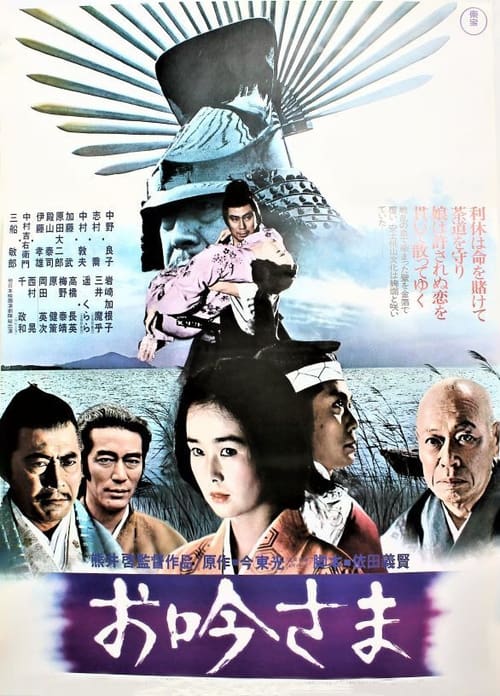
Gonza the Spearman is a period drama that prioritizes historical accuracy and traditional narrative structures. It operates within the established social hierarchies of the Tokugawa era, focusing on the personal consequences of breaking social contracts. The film provides a nuanced critique of social hypocrisy and the fragility of honor. It uses the tension between individual desires and societal expectations to drive its tragic narrative. However, the film lacks diversity in terms of LGBTQ+ representation and disability. The focus remains heavily on masculine competition for status and traditional romantic conflicts.
Category Breakdown
The story focuses on traditional romantic relationships and the social consequences of infidelity. There is no indication of non-straight or non-cisgender identities, nor any narratives that challenge the assumption that everyone is straight or cisgender.
The plot is driven by competition between Gonza and Bannojō for social status. Female characters like Osai play crucial roles as moral and social pivots.
The cast is ethnically uniform, reflecting the historical authenticity of Tokugawa-era Japan. The film maintains a consistent cultural baseline without using actors from diverse backgrounds.
The film critiques the performative nature of the Tokugawa period and its rigid social rituals. It highlights how institutionalized honor and tea ceremonies can be used as tools for scandal.
There is no evidence of physical or cognitive disabilities being portrayed in this work.
Present on Screen
Limited or Absent
Official Synopsis
During the peaceful Tokugawa period, handsome samurai Gonza becomes entangled in a tragic love triangle and a web of deceit while trying to advance his social standing through the tea ceremony.
1968

1952

1969
1967

2018
1978
2019
1960
No reviews yet. Be the first to share your thoughts on this movie!
Use the rating form above to leave a star rating and optional review.