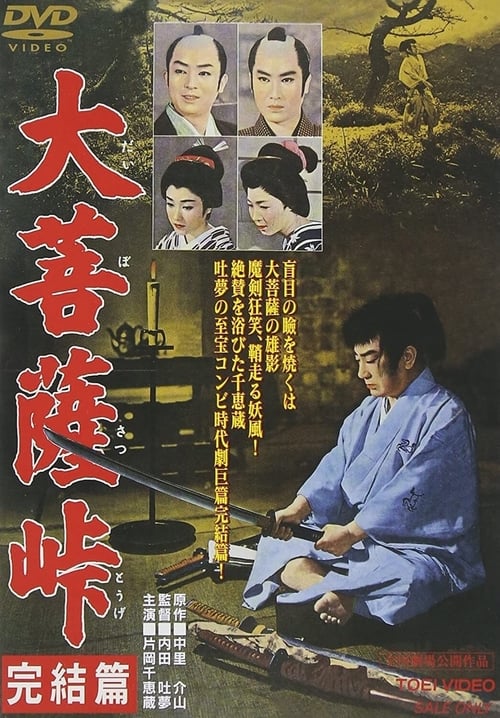
Souls in the Moonlight III
1959
No user ratings available yet
Diversity score: 5.0 out of 10
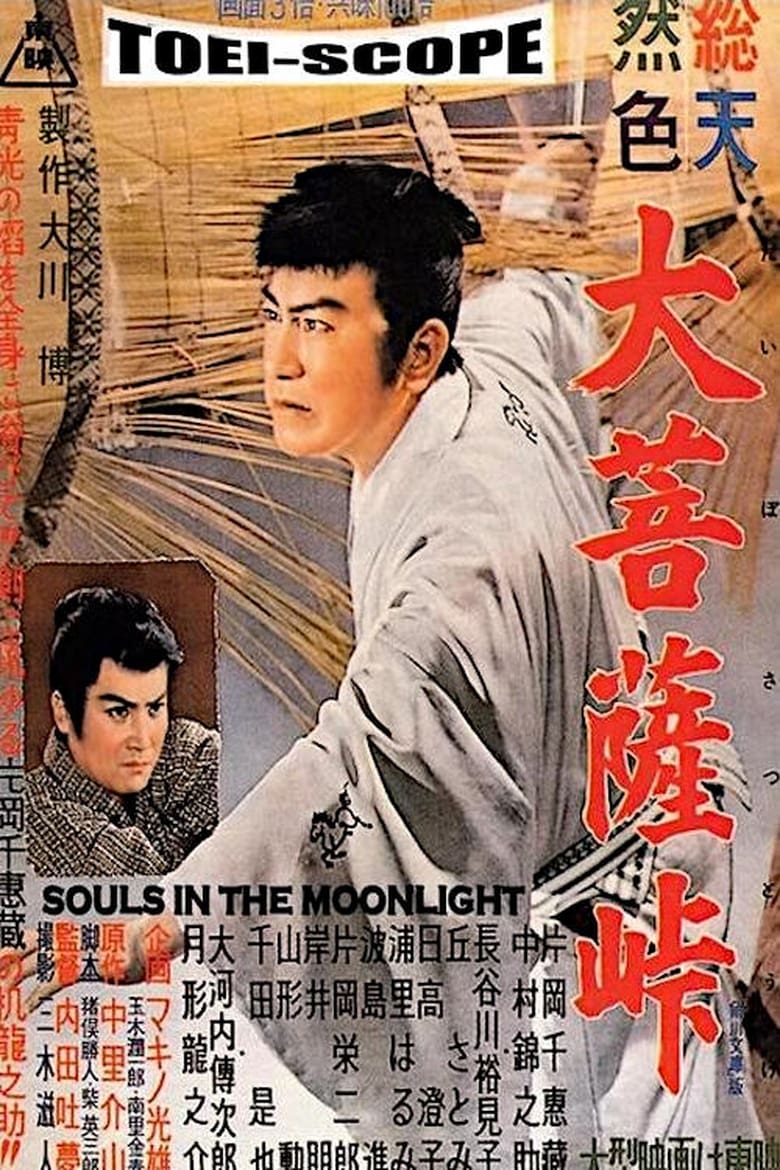
1957
Director
Tomu Uchida
Runtime
106 minutes
Average Rating
No ratings yetSynopsis
First part of the famous Dai-bosatsu toge trilogy, based on Kaizan Nakazato’s unfinished long series of novels (41 books, written from 1913 to 1941). Set in the last period of the Tokugawa Shogunate, Daibosatsu Toge tells the story of Tsuke Ryunosuke, a nihilistic swordmaster who doesnt hesitate to kill anyone, bad or good. Despite the authors explicit refusal, the series were later made into plays and movies several times.
Overall Score
Fair
Category Breakdown
LGBTQ+ Representation
The film lacks explicit evidence of LGBTQ+ characters or non-heteronormative narratives. The Tokugawa Shogunate setting and chanbara genre typically prioritize traditional social hierarchies over queer identities.
Gender Representation
The narrative centers on the male martial prowess of Tsuke Ryunosuke. While the protagonist's nihilism may deconstruct traditional masculine virtues, agency remains heavily concentrated in a male figure.
Racial & Ethnic Diversity
As a Japanese production, the film depicts a culturally homogeneous society. It serves as a standard expression of domestic identity rather than an attempt at multi-ethnic inclusion.
Religious & Cultural Diversity
The film offers a sophisticated critique of the Shogunate's moral hierarchies. By centering a nihilistic protagonist, the narrative disrupts the idea of traditional institutions as inherently righteous.
Disability Representation
There is no mention of characters with visible or invisible disabilities. Consequently, no representation is present in the narrative.
Strengths
Areas for Improvement
AI Analysis
Souls in the Moonlight is a character-driven drama that prioritizes psychological depth over modern intersectional markers. It functions primarily as a study of individual agency within a rigid historical framework. The film excels at deconstructing social and moral structures through its protagonist. By rejecting the ethical codes of the Tokugawa era, the story provides a nuanced critique of established authority. However, the film remains limited by its period setting and era-specific focus. It lacks representation for LGBTQ+ identities and maintains a traditional focus on male-centric martial narratives.
1959
1960
1958

1987
2012
1962
1968
1965
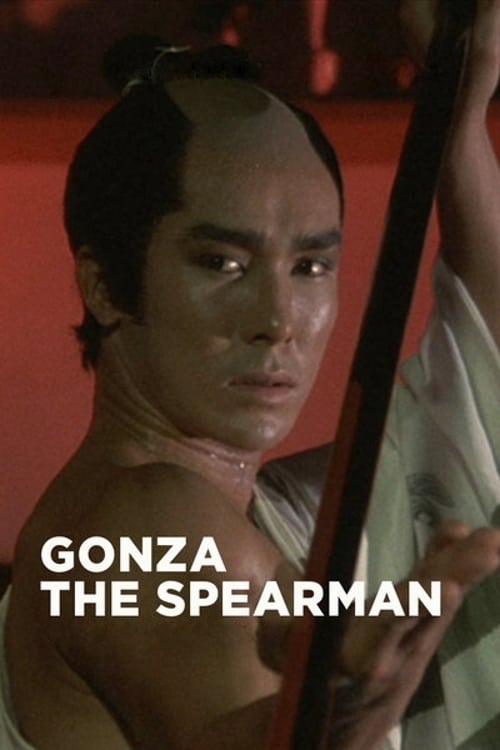
1986
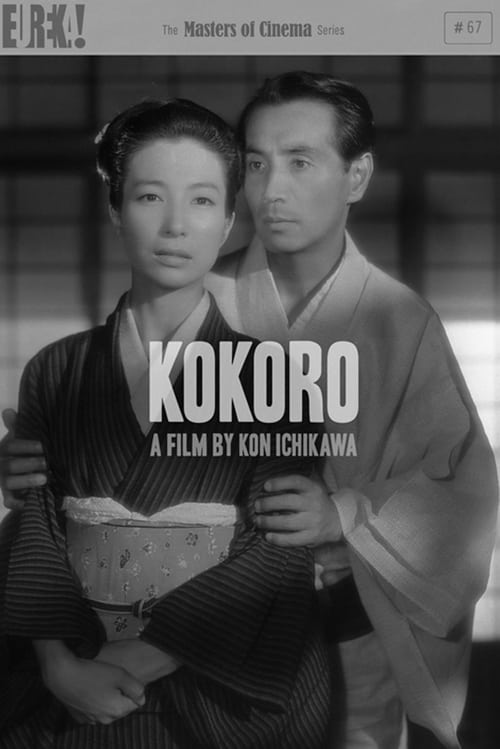
1955
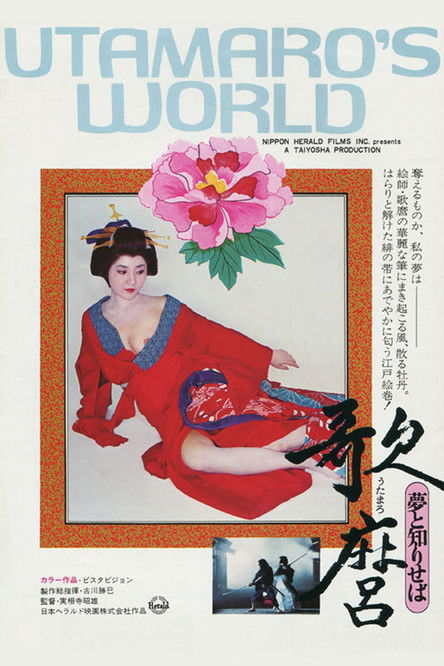
1977
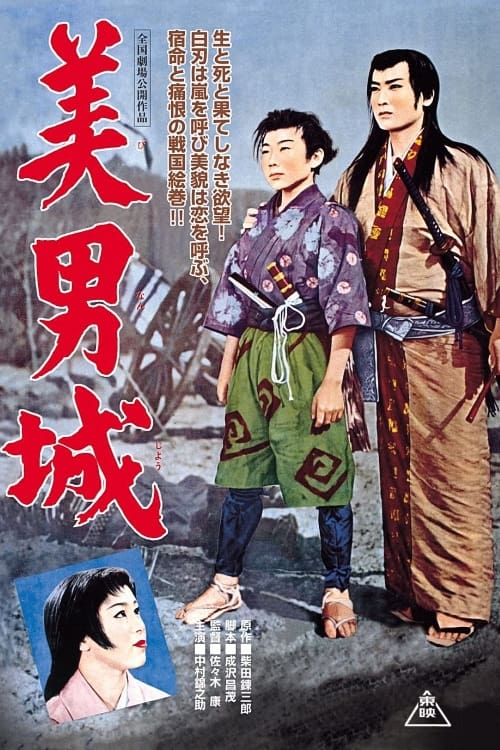
1959
No reviews yet. Be the first to share your thoughts on this movie!
Use the rating form above to leave a star rating and optional review.