
Sanshiro Sugata
1965
No user ratings available yet
Representation score: 2.8 out of 10
Representation Score
Minimal
1943
Not RatedDirector
Akira Kurosawa
Runtime
97 minutes
Average Rating
No ratings yetNew Showbiz Analysis
Sanshiro Sugata is a formalist study of discipline that reflects the nationalistic ethos of 1940s Japan. The narrative structure reinforces traditional hierarchies of gender and social order, leaving little room for critique or perspectives that reflect multiple aspects of identity. The protagonist's journey centers on assimilation into a rigid martial system. This focus on duty and respect for the master-student relationship leaves little room for systemic critique or multi-layered ability to act. Ultimately, the film celebrates institutional structure, prioritizing social and spiritual discipline over individual desires.
Category Breakdown
The film adheres to traditional heterosexual and cisgender norms, focusing on a conventional romance between the male lead and a female character without exploring diverse sexual orientations or gender identities.
Male characters dominate the narrative, pursuing martial skills and discipline. The female lead primarily serves as a romantic figure rather than an independent agent with her own storyline.
The film is set in a culturally homogeneous environment, reflecting the ethnic makeup of Meiji-era Japan. It does not explore multi-ethnic or diverse cultural backgrounds.
The story upholds traditional values and social hierarchies, emphasizing obedience to authority and the mastery of self through established institutions.
The film does not include characters with visible or invisible disabilities. Disability is not used as a central narrative element or plot device.
Present on Screen
Limited or Absent
Official Synopsis
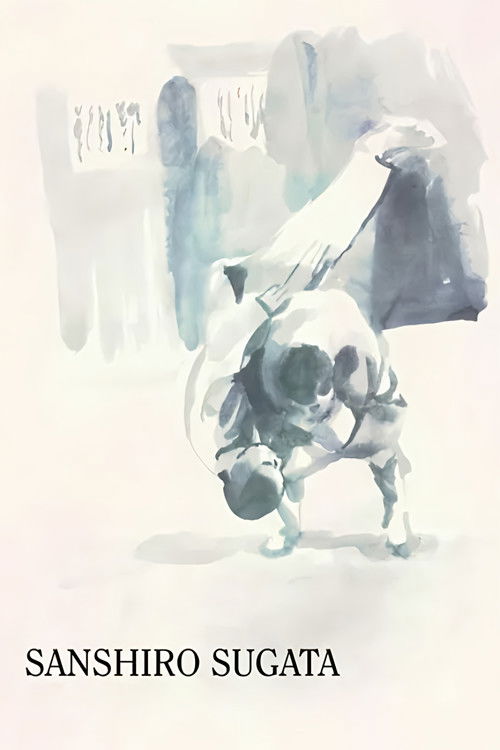
A hotheaded youth in 1880s Meiji Japan apprentices to judo master Shōgorō Yano, trading brute jujutsu bravado for discipline and humility. As Sanshirō matures, he proves judo’s spirit against old-guard challengers—including a deadly duel—while falling for his vanquished opponent’s daughter. Based on the novel by Tsuneo Tomita, son of Tomita Tsunejirō, the earliest disciple of judo.
1965
2004
1945
1954
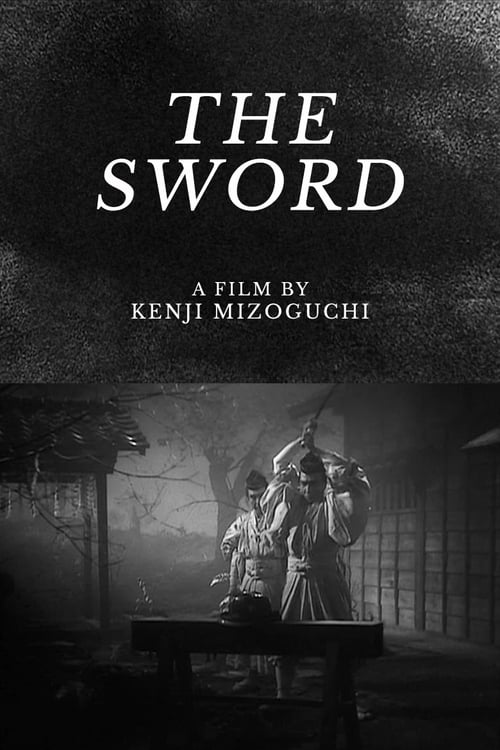
1945

2022
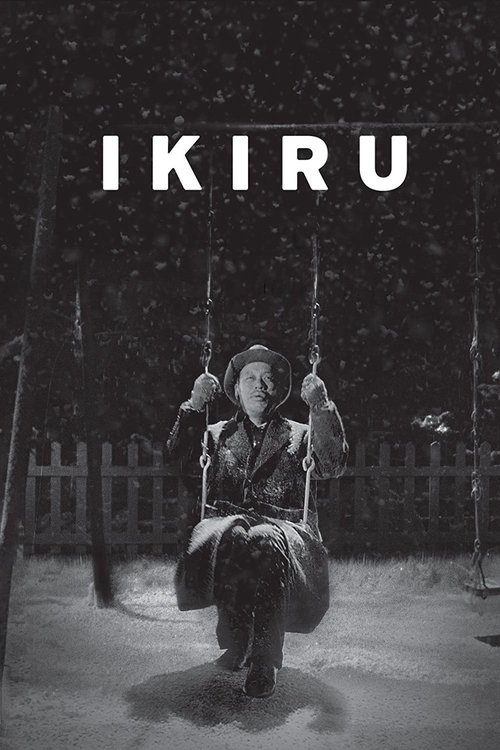
1952
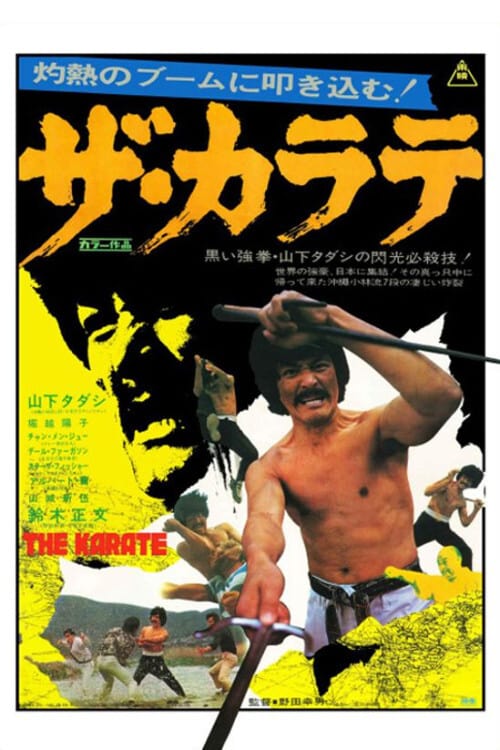
1974
No reviews yet. Be the first to share your thoughts on this movie!
Use the rating form above to leave a star rating and optional review.