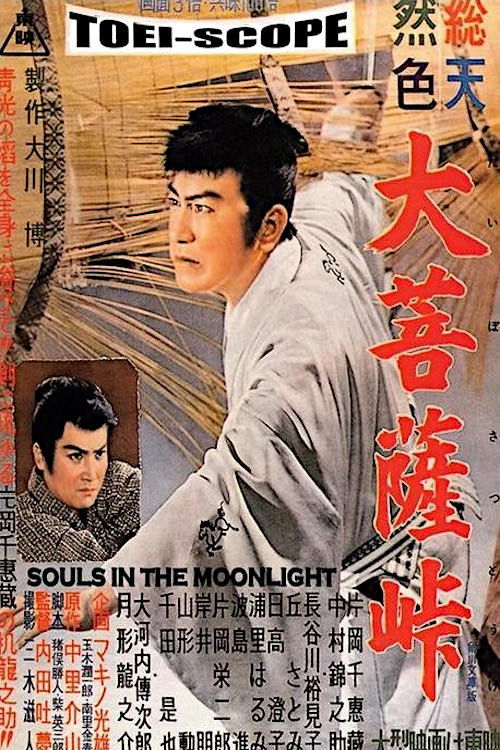
Souls in the Moonlight
1957
No user ratings available yet
Diversity score: 5.3 out of 10

1959
Director
Tomu Uchida
Runtime
106 minutes
Average Rating
No ratings yetSynopsis
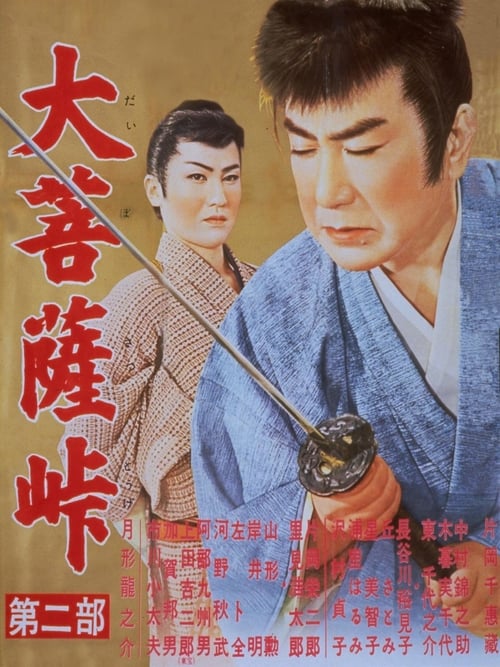
Master swordsman, Tsukue Ryunosuke is confronted by the families of his victims. Will justice be served for the lost innocent lives? The conclusion of the famed Jidaigeki series is an amazing film, with a completely different perspective on the story from the later versions. While the international audience is more familiar with the “Sword of Doom” and “Satan’s Sword” versions of Daibosatsu Toge (The Great Bodhisattva Pass), the “Souls in the Moonlight” trilogy casts an entirely different light on Ryunosuke and his motives. Can this brutal killer be brought to justice, or is living his life as a blind wanderer a more terrible fate? His sword skills have not diminished, nor has his desire to kill!
Overall Score
Fair
Category Breakdown
LGBTQ+ Representation
The film adheres to the social and cinematic conventions of 1950s Japanese period drama. There is no evidence of non-heteronormative identities or critiques of heteronormativity.
Gender Representation
Narrative power dynamics remain rooted in traditional masculine archetypes of the swordsman. The story revolves around the agency and mastery of the male protagonist, Ryunosuke.
Racial & Ethnic Diversity
The cast is ethnically homogeneous, reflecting the historical reality of feudal Japan. The film does not utilize race-bending or multicultural casting.
Religious & Cultural Diversity
The narrative disrupts heroic tropes by questioning the morality of justice and survival. It offers a nuanced view of traditional societal structures and the consequences of violence.
Disability Representation
The protagonist's life as a blind wanderer serves as a central thematic element. This condition is integrated into his existential struggle and psychological depth.
Strengths
Areas for Improvement
AI Analysis
Tomu Uchida’s 1959 drama offers a sophisticated deconstruction of the master swordsman archetype. Rather than a simple tale of vengeance, the film explores the psychological toll of violence and the complexities of systemic justice. The work excels in its thematic depth, particularly through its treatment of disability and moral ambiguity. By framing the protagonist's blindness as an existential struggle, the film moves beyond mere plot devices to explore personal suffering. However, the film remains limited by the conventions of its era and genre. It lacks modern intersectional representation, focusing instead on traditional masculine archetypes and a culturally homogeneous setting.
1957
1958
1960
1964
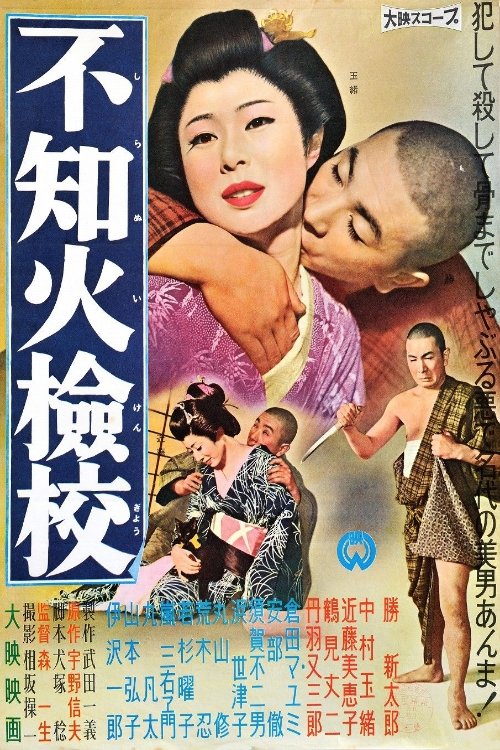
1960
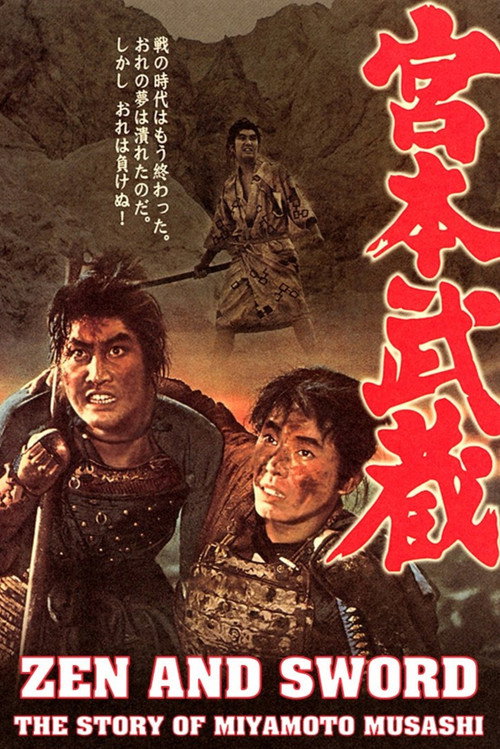
1961
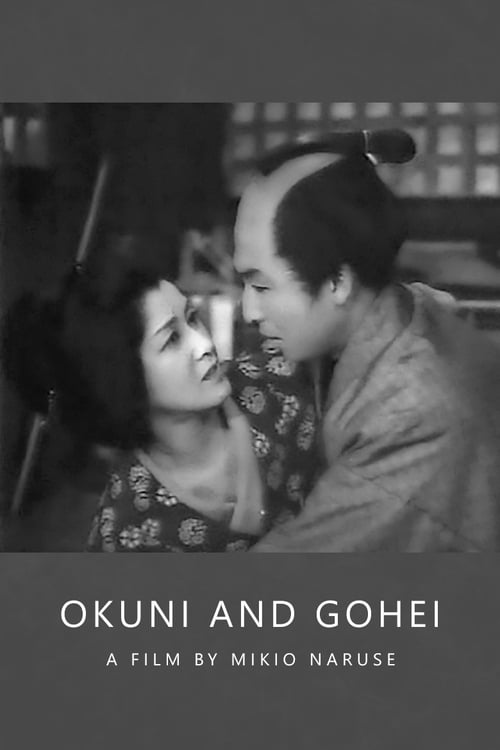
1952
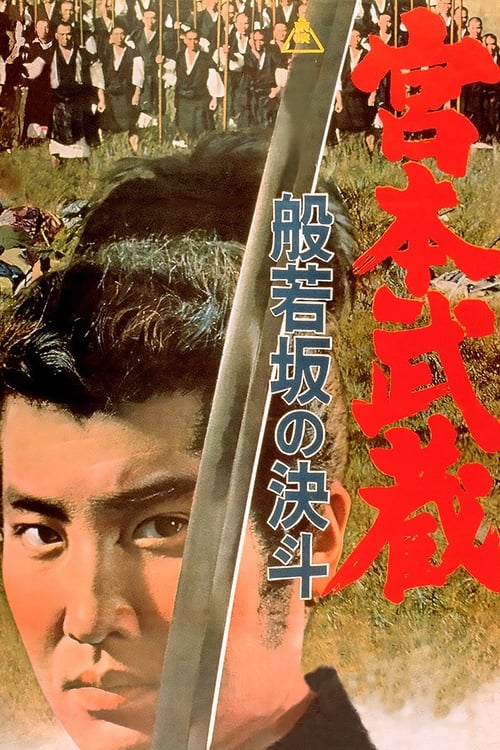
1962
1965

1987
1969
1966
No reviews yet. Be the first to share your thoughts on this movie!
Use the rating form above to leave a star rating and optional review.