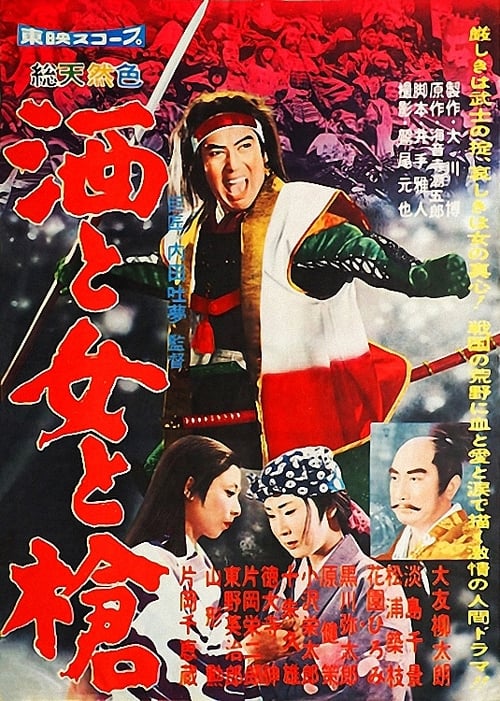
The Master Spearman
1960
No user ratings available yet
Diversity score: 1.8 out of 10
1957
Director
Tomu Uchida
Runtime
109 minutes
Average Rating
No ratings yetSynopsis
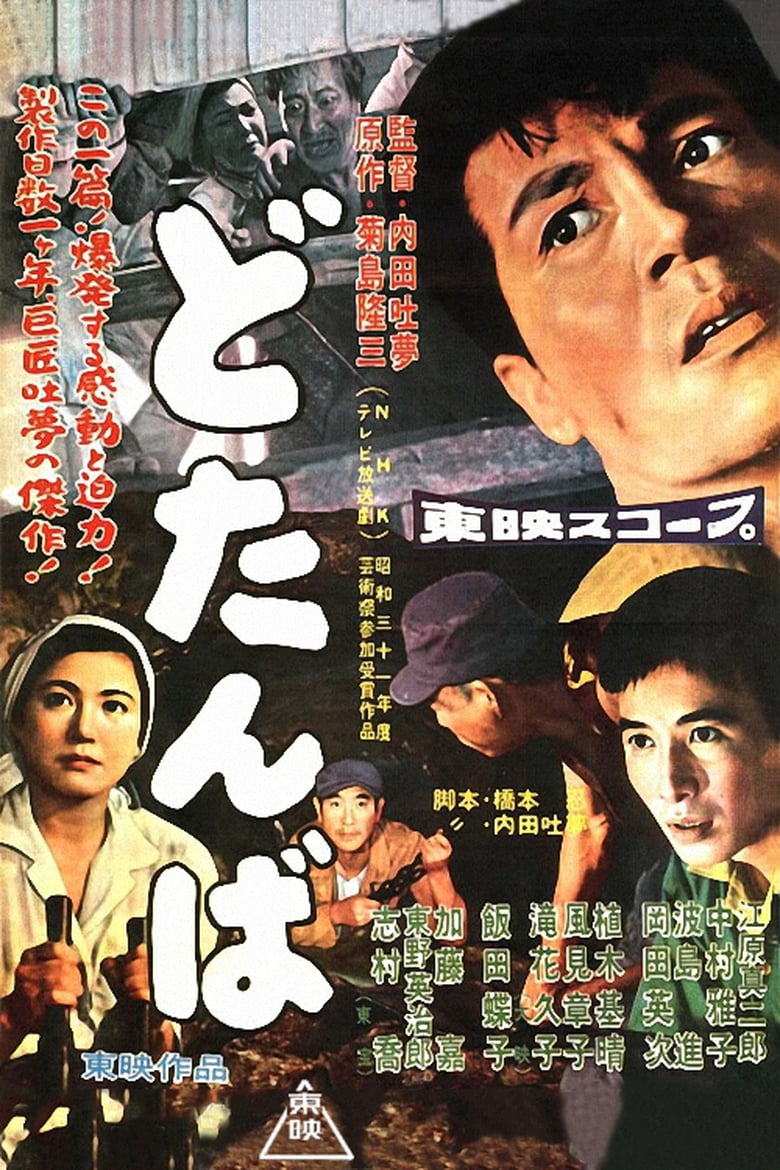
Based on a 1956 television feature on Japan’s national network, NHK, this is one of Uchida’s rarest films. A socially conscious drama with a contemporary backdrop, Dotanba focuses on the attempts to rescue a group of trapped miners. The title is a figure of speech — (essentially “last minute” or “eleventh hour”) — that refers to a situation of peril. The film boasts a script co-written by Uchida and Akira Kurosawa’s frequent screenwriter, Shinobu Hashimoto, and stars Kurosawa’s frequent star Takashi Shimura.
Overall Score
Fair
Category Breakdown
LGBTQ+ Representation
The film lacks LGBTQ+ characters or themes of non-heteronormative identity. It adheres to the social frameworks of 1957 Japan, focusing on communal and familial structures.
Gender Representation
Women are primarily situated in domestic or supportive roles. While characters are well-developed, the narrative reinforces traditional gender hierarchies rather than subverting them.
Racial & Ethnic Diversity
The cast is culturally homogeneous, which is authentic to the film's specific Japanese setting. It avoids whitewashing by remaining rooted in its local socio-cultural reality.
Religious & Cultural Diversity
The story offers a sophisticated critique of modernity and the disruption of communal harmony. It explores the tension between traditional lifestyles and individualistic, capitalist-adjacent values.
Disability Representation
There is no significant evidence regarding the portrayal of visible or invisible disabilities within the narrative.
Strengths
Areas for Improvement
AI Analysis
The Eleventh Hour is a socially conscious drama that prioritizes sociological depth over demographic variety. Its strength lies in its examination of systemic pressures and the friction between tradition and rapid modernization. While the film provides a nuanced critique of how economic shifts destabilize social ecosystems, it lacks representation in contemporary intersectional categories. The narrative remains firmly rooted in the mid-century Japanese social framework. Ultimately, the film's value is found in its character-driven exploration of communal survival rather than its diversity metrics.
1960
1950

1964
1957
1951

1962
1955
1949
1939
1954

2011
1959
No reviews yet. Be the first to share your thoughts on this movie!
Use the rating form above to leave a star rating and optional review.