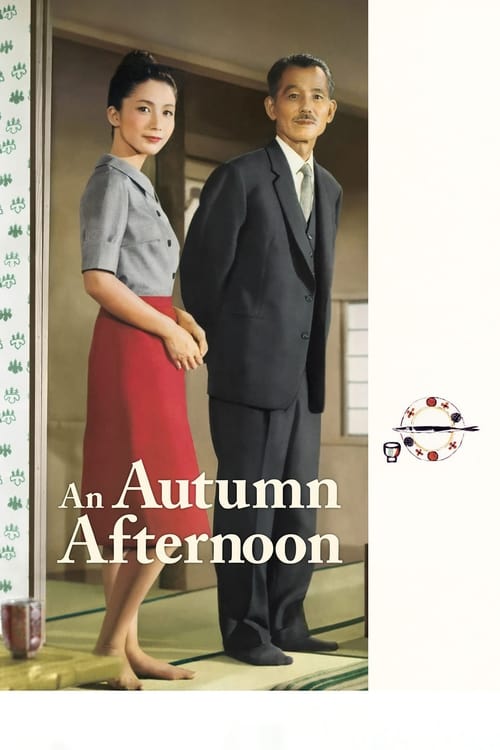
An Autumn Afternoon
1962
No user ratings available yet
Representation score: 2.5 out of 10
Representation Score
Minimal
1961
Director
Yasujirō Ozu
Runtime
103 minutes
Average Rating
No ratings yetNew Showbiz Analysis
Yasujirō Ozu’s work is a masterwork of cinematic formalism, focusing on the quiet dissolution of traditional structures. However, the film functions primarily as a portrait of social continuity rather than a tool for disruption. The narrative structure observes the passage of time within a stable, homogeneous cultural framework. It prioritizes the dignity of the domestic sphere and the preservation of established social orders. While the film offers profound insight into Japanese middle-class life, it lacks representation of diverse identities and provides little challenge to existing systemic hierarchies or conventional gendered expectations.
Category Breakdown
The film focuses entirely on traditional family structures and romantic relationships between heterosexual couples. There are no characters with non-binary or transgender identities, nor any depiction of same-sex intimacy.
The characters operate within the established social hierarchies of post-war Japan. Women play a significant role through emotional labor and managing family transitions, but the narrative does not challenge patriarchal structures.
The cast is homogeneous, reflecting the specific social realities of 1961 Japan. The narrative does not include characters from different racial or ethnic backgrounds.
The story emphasizes social cohesion, familial duty, and the acceptance of life's rhythms. It prioritizes the preservation of the family unit and traditional authority over institutional critique.
There are no characters with visible or invisible disabilities, and the narrative does not feature characters driven by neurodivergence or physical impairment.
Present on Screen
Limited or Absent
Official Synopsis
The family of an older man who runs a small sake brewery become concerned with his finances and his health after they discover him visiting an old mistress from his youth.
1962
1959

1959
1951
1962
1934
1951
1960
No reviews yet. Be the first to share your thoughts on this movie!
Use the rating form above to leave a star rating and optional review.