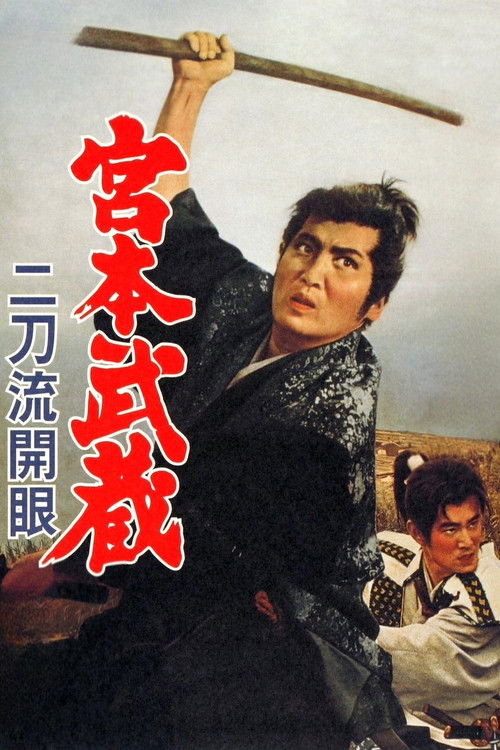
Miyamoto Musashi III: Birth of Two Sword Style
1963
No user ratings available yet
Representation score: 2.0 out of 10
Representation Score
Limited
1965
Not RatedDirector
Tomu Uchida
Runtime
120 minutes
Average Rating
No ratings yetNew Showbiz Analysis
This historical epic prioritizes period authenticity and the philosophical development of its central male figures. The narrative is built upon classical structures of honor, spiritual enlightenment, and martial rivalry. While the film offers nuanced character studies regarding the psychological toll of Musashi's journey, it does not seek to disrupt traditional social hierarchies. It remains deeply rooted in its specific historical context. The score reflects a work that adheres to the social and gendered frameworks of 17th-century Japan rather than engaging with contemporary identity politics.
Category Breakdown
The film focuses on the traditional romantic bond between Musashi and Otsu. There is no evidence of LGBTQ+ identities or same-sex intimacy within the narrative.
The story centers on masculine pursuits of martial mastery. While women like Otsu and Akemi appear, Osugi provides a rare moment where she takes a leading role through her competitive drive.
Set in Edo-period Japan, the film depicts a culturally homogeneous society. It maintains historical authenticity and avoids the whitewashing common in Western adaptations of Eastern history.
The narrative engages deeply with Zen Buddhism through Priest Takuan. It explores the tension between violent impulses and spiritual discipline within the framework of traditional martial ethics.
The provided material contains no information regarding the portrayal of physical or neurodivergent disabilities.
Present on Screen
Limited or Absent
Official Synopsis
The fifth and final installment with the build up of the epic battle between Sasaki Kojiro and Miyamoto Musashi. With all the familiar characters making appearances: Otsu (Musashi's great love), Akemi, Matahachi (his former fellow soldier), old lady Osugi (still doggedly trying to defeat Musashi), and even the return of Priest Takuan (the man responsible for his journey towards enlightenment). But most of all, the boastful, long-haired and long-sworded Sasaki Kojiro.
1963
2003
1971
1974
1964
1962
1969
1964
No reviews yet. Be the first to share your thoughts on this movie!
Use the rating form above to leave a star rating and optional review.