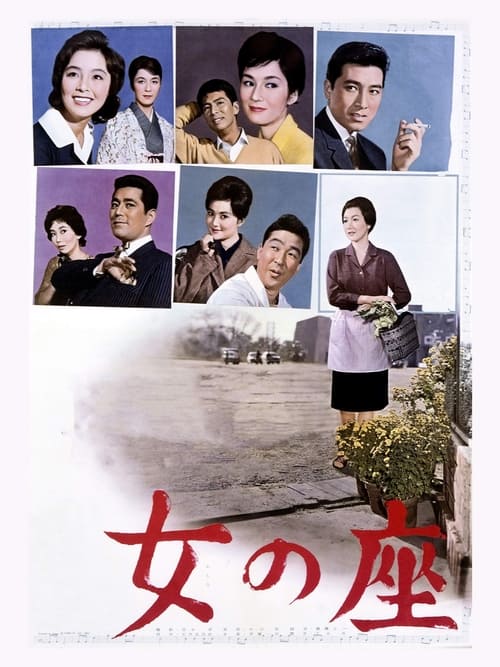
The Wiser Age
1962
No user ratings available yet
Diversity score: 5.4 out of 10
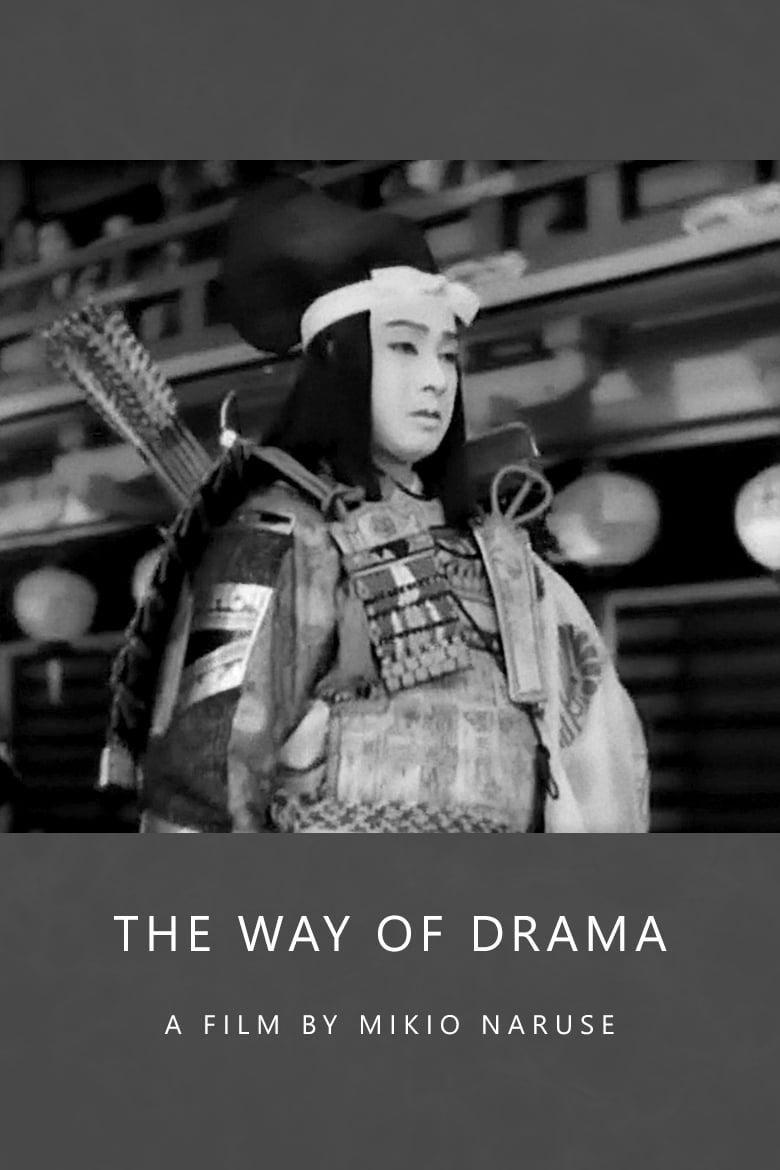
1944
Director
Mikio Naruse
Runtime
82 minutes
Average Rating
No ratings yetSynopsis
The Way of Drama unfolds in the world of kabuki in Osaka, but also addresses the politics of popular culture and the rivalry between theatrical styles like those used by amateur actors to dramatise contemporary events.
Overall Score
Fair
Category Breakdown
LGBTQ+ Representation
The film focuses on professional and artistic rivalries within the Kabuki tradition. There is no explicit evidence of non-cisnormative identities or same-sex intimacy in the narrative.
Gender Representation
Naruse often centers female protagonists navigating patriarchal structures. The film explores the tension between traditional theatrical roles and the agency of the performers.
Racial & Ethnic Diversity
As a domestic production, the film presents a culturally homogeneous cast. It focuses on the internal cultural dynamics of Osaka and specific Kabuki traditions.
Religious & Cultural Diversity
The story explores the friction between established Kabuki traditions and contemporary amateur dramatizations. This highlights a landscape of competing perspectives and subjective artistic values.
Disability Representation
There is no evidence that disability or neurodivergence serves as a central theme or character arc in this work.
Strengths
Areas for Improvement
AI Analysis
The film is a period-specific exploration of cultural identity and professional rivalry within the Japanese theater scene. It lacks modern intersectional markers like multi-ethnic casting or explicit LGBTQ+ themes, reflecting the demographic constraints of 1944. However, the work possesses a sophisticated narrative architecture. It uses the rivalry between theatrical styles to critique institutionalized art forms and challenge the hegemony of traditional institutions. Ultimately, the film's strength lies in its nuanced social commentary and its deep dive into specific cultural heritage rather than a Western-centric perspective.
1962
1934
1960

1936
1951
1933

1951
1943
1954
1933
1960
1941
No reviews yet. Be the first to share your thoughts on this movie!
Use the rating form above to leave a star rating and optional review.