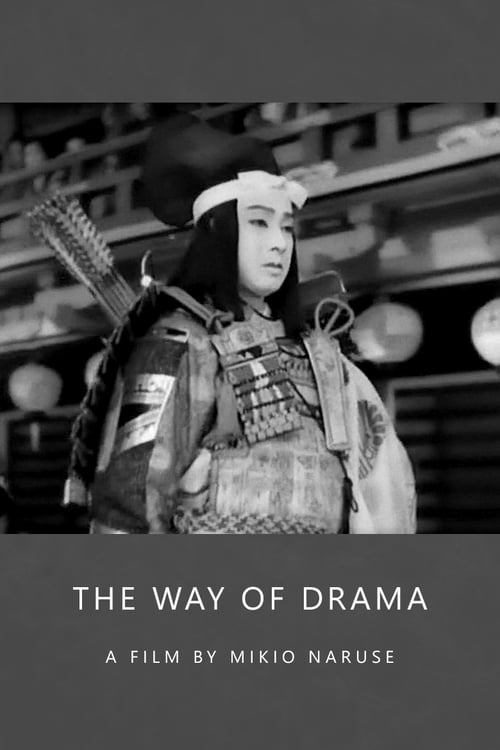
The Way of Drama
1944
No user ratings available yet
Diversity score: 4.9 out of 10

1941
Director
Mikio Naruse
Runtime
34 minutes
Average Rating
No ratings yetSynopsis
A Fond Face from the Past is also set in a rural community, specifically a village outside Kameoka, near Kyoto. In some ways this short, thirty-six-minute film is Naruse's most moving negotiation of the militarist restrictions of the time, perhaps because it is also his most direct engagement with the culture of war. When a newsreel comes to Kameoka featuring a local man named Yoichi, it causes some excitement in the community and, of course, in Yoichi's own family. First of all his mother makes the newsreel (Nippon News, no. 14), which begins with the same marching music that opens his own film, followed by a curious baby judging context in Los Angeles featuring two hundred Japanese babies. Released in January 1941, almost a year before the pacific war begins, this “found footage” is indicative of Japanese imperialist ambitions beyond Asia long before Pearl Harbor.
Overall Score
Fair
Category Breakdown
LGBTQ+ Representation
The film lacks explicit evidence of LGBTQ+ characters or non-heteronormative narratives. It focuses on traditional kinship structures and community reactions to a newsreel.
Gender Representation
The narrative highlights female emotional agency through the mother's reaction to the newsreel. However, gender roles appear to align with the era's societal expectations.
Racial & Ethnic Diversity
The film provides cultural specificity by centering a Japanese rural community. It uses newsreel footage to contrast local life with the Japanese diaspora in Los Angeles.
Religious & Cultural Diversity
The story is deeply embedded in the militarist culture of 1941 Japan. It engages with imperialist ambitions through the inclusion of state-aligned newsreel footage.
Disability Representation
There is no evidence of characters with visible or invisible disabilities featured in this work.
Strengths
Areas for Improvement
AI Analysis
Mikio Naruse’s short film serves as a poignant historical document, capturing the tension between local domestic life and Japan's expanding imperialist identity. By utilizing newsreel footage, the film creates a unique dialogue between a rural village and a globalized perspective. While the film lacks modern intersectional representation, it excels at exploring ethnic identity and the reach of national influence. The juxtaposition of the Kameoka community with Japanese babies in Los Angeles offers a complex look at the Japanese diaspora during a period of intense militarism. Ultimately, the work is a sophisticated negotiation of the social and political constraints of its time. It uses media-within-media to reflect how a changing world impacts the individual and the family unit.
1944
1939
1947

1958
2002
1940
2004
1951
1925
2006
1933
1946
No reviews yet. Be the first to share your thoughts on this movie!
Use the rating form above to leave a star rating and optional review.