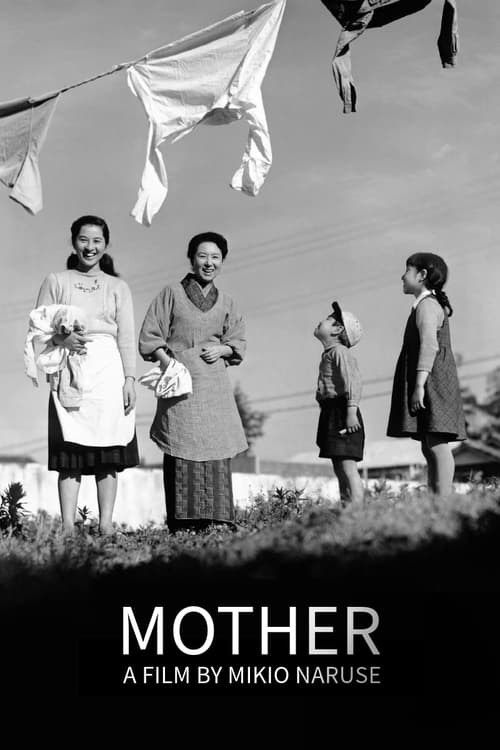
Mother
1952
No user ratings available yet
Representation score: 3.9 out of 10
Representation Score
Fair
1951
Director
Mikio Naruse
Runtime
87 minutes
Average Rating
No ratings yetNew Showbiz Analysis
Mikio Naruse’s work provides a nuanced exploration of women's ability to drive the story within rigid social structures. The film moves away from exoticized clichés, instead offering a realistic portrayal of labor and maternal responsibility. By centering a woman's internal life, the film challenges traditional depictions of women in service industries. While the film excels in its depiction of gendered power dynamics and social performance, it lacks diversity in other areas. There is no visible LGBTQ+ representation or mention of disability, which limits the scope of its social commentary. Ultimately, the film serves as a sophisticated character study. It uses the 'disguises' of Ginza to examine how individuals navigate social masks to achieve survival and self-actualization.
Category Breakdown
The film does not include any explicit representation of LGBTQ+ identities or queer storylines. The focus remains solely on the protagonist's role as a mother and geisha.
The film centers a woman as the primary driver of the plot rather than a passive object. The protagonist demonstrates significant control over her actions and decisions through her roles as a provider and mother.
This production reflects the demographic reality of 1951 Tokyo. It offers an authentic, non-Western perspective on urban life and social class.
The story explores the complexities of social roles and subjective morality. It critiques the performative nature of social institutions through the lens of the geisha profession.
There is no mention of characters with visible or invisible disabilities in the narrative. No representation is present in the provided context.
Present on Screen
Limited or Absent
Official Synopsis
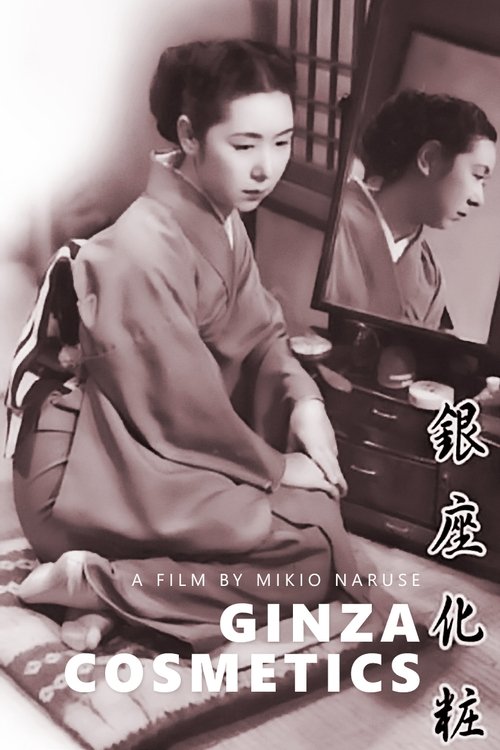
A few days in the life of a quiet geisha, single mother of a smart young boy, in the lively Tokyo quarter of Ginza. A woman devoted to others' needs, she'll end by taking part herself in one of the many disguises of Ginza.
1952
1936
1956
1960
1960
1945
1933
1951
No reviews yet. Be the first to share your thoughts on this movie!
Use the rating form above to leave a star rating and optional review.