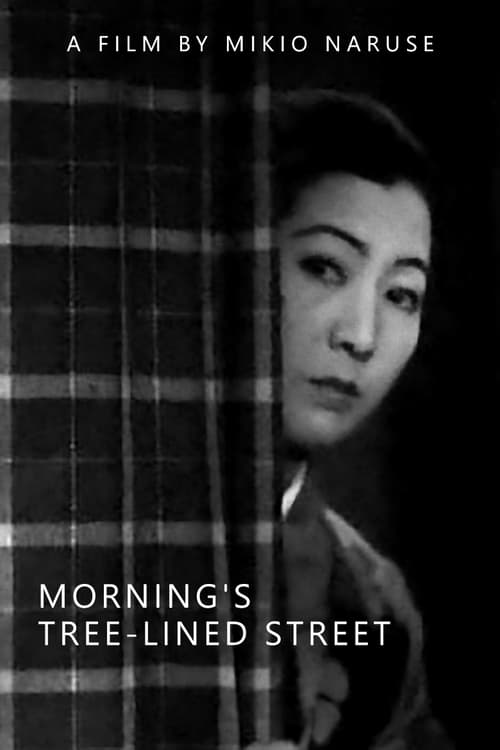
Morning's Tree-Lined Street
1936
No user ratings available yet
Diversity score: 5.7 out of 10
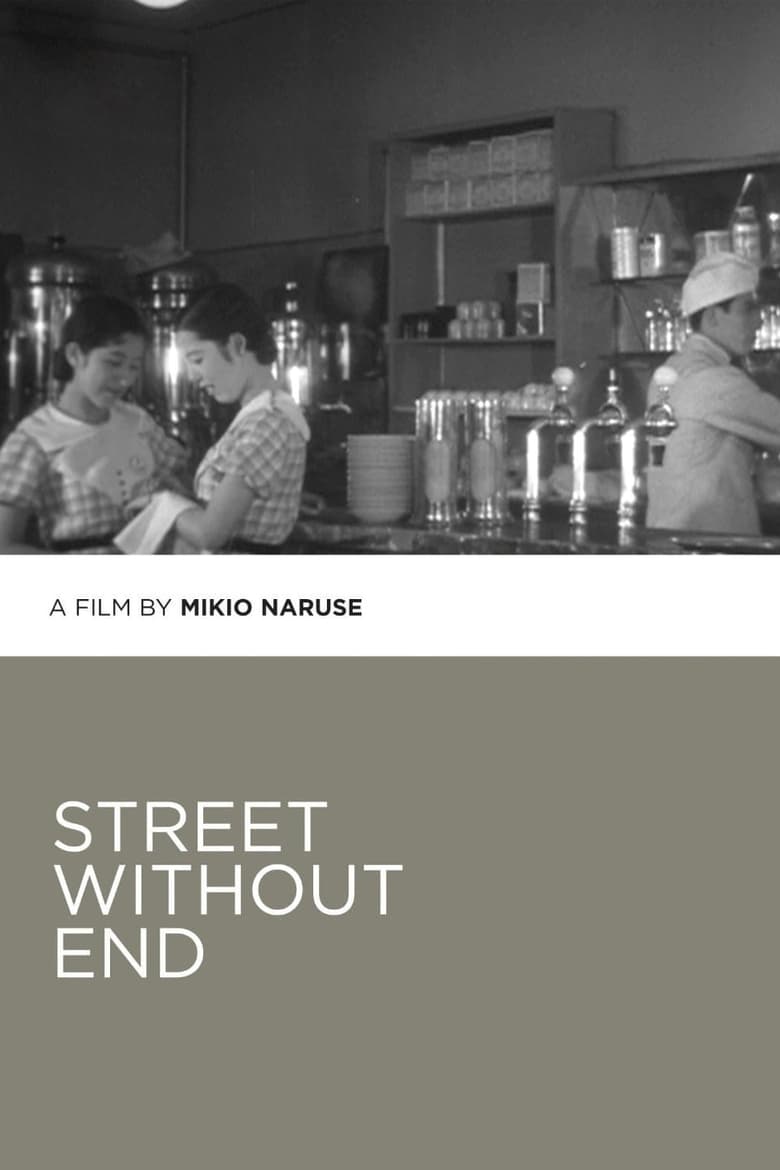
1934
Director
Mikio Naruse
Runtime
87 minutes
Average Rating
No ratings yetSynopsis
Mikio Naruse’s final silent film is a gloriously rich portrait of a waitress, Sugiko, whose life, despite a host of male admirers and even some intrigued movie talent scouts, ends up taking a suffocatingly domestic turn after a wealthy businessman accidentally hits her with his car.
Overall Score
Fair
Category Breakdown
LGBTQ+ Representation
The film lacks explicit evidence of LGBTQ+ characters or non-heteronormative identities. The narrative centers on a female protagonist's interactions with male admirers, following a traditional romantic framework.
Gender Representation
Sugiko is presented as a working-class woman with a professional identity. The story critiques gender hierarchies by highlighting the tension between her autonomy and the restrictive nature of domesticity.
Racial & Ethnic Diversity
This Japanese production offers a non-Western perspective within its historical context. It provides a localized, non-Anglo-centric narrative, though it lacks modern multi-ethnic or intersectional casting.
Religious & Cultural Diversity
The film explores class mobility and the friction between individual desire and social stability. It uses social realism to critique class-based power dynamics and social institutions.
Disability Representation
A car accident serves as a pivotal plot point, but it is unclear if disability is portrayed with agency. There is insufficient information to determine the character's representation.
Strengths
Areas for Improvement
AI Analysis
Mikio Naruse’s silent drama offers a nuanced look at the systemic pressures facing women in 1934 Japan. By centering on a working-class waitress, the film challenges female passivity and explores the constraints of social structures. While the film lacks modern intersectional markers or LGBTQ+ representation, it provides a meaningful critique of class and gender. The narrative moves from professional autonomy to a suffocating domesticity, highlighting the era's rigid societal expectations. Ultimately, the film serves as a period-specific exploration of social agency, focusing on how class and gender intersect to limit individual freedom.
1936
1951
1962
1951

1935
1933
1933
1960
1936
1943
1956
1958
No reviews yet. Be the first to share your thoughts on this movie!
Use the rating form above to leave a star rating and optional review.