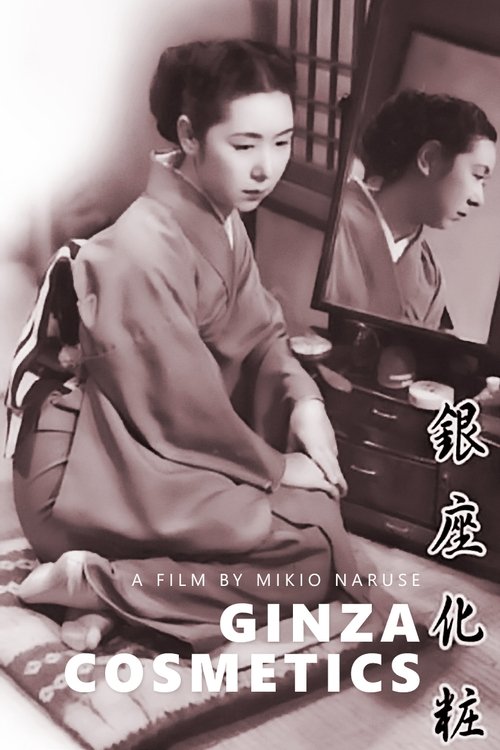
Ginza Cosmetics
1951
No user ratings available yet
Representation score: 5.2 out of 10

Representation Score
Fair
1933
Director
Mikio Naruse
Runtime
64 minutes
Average Rating
No ratings yetNew Showbiz Analysis
Mikio Naruse’s drama delves deeply into the psychological impacts of societal roles. By focusing on the internal lives of geishas, the film goes beyond typical clichés to explore the effects of rigid structures on personal freedom. The film effectively challenges the idealized family model, offering a realistic portrayal of conflict and professional challenges. Despite its lack of modern diversity, the film’s rich character studies provide a powerful critique of social hierarchies. Ultimately, the film serves as a compelling exploration of the tension between individual autonomy and traditional expectations.
Category Breakdown
The film does not include any explicit LGBTQ+ characters or explore non-straight relationships. It focuses on traditional roles within the geisha culture.
The story emphasizes the complexities of womanhood and the professional and personal struggles faced by women. It highlights the tension between personal identity and societal expectations.
The cast is primarily made up of actors representing Japanese culture, reflecting the society of the 1930s. It provides a detailed look at the social hierarchies and cultural identity of the time.
The film offers a critical view of social structures by showing the dysfunction within families. It examines how institutional roles and traditions affect individual well-being.
There is no indication of physical or cognitive disabilities being portrayed in the film.
Present on Screen
Limited or Absent
Official Synopsis
An aging geisha, whose angry teenage son is ashamed of her profession, works alongside a young geisha, resentful of her family for forcing her into a life of ignominy.
1951
1936

1956

1939

1939
1954
1935

1964
No reviews yet. Be the first to share your thoughts on this movie!
Use the rating form above to leave a star rating and optional review.