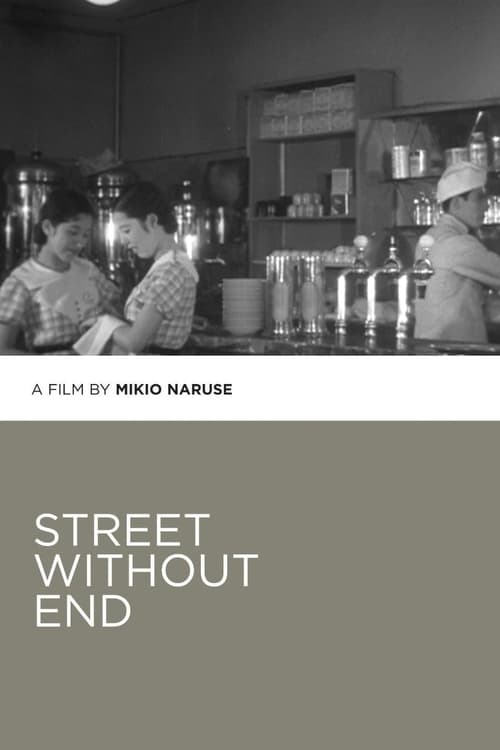
Street Without End
1934
No user ratings available yet
Diversity score: 4.8 out of 10
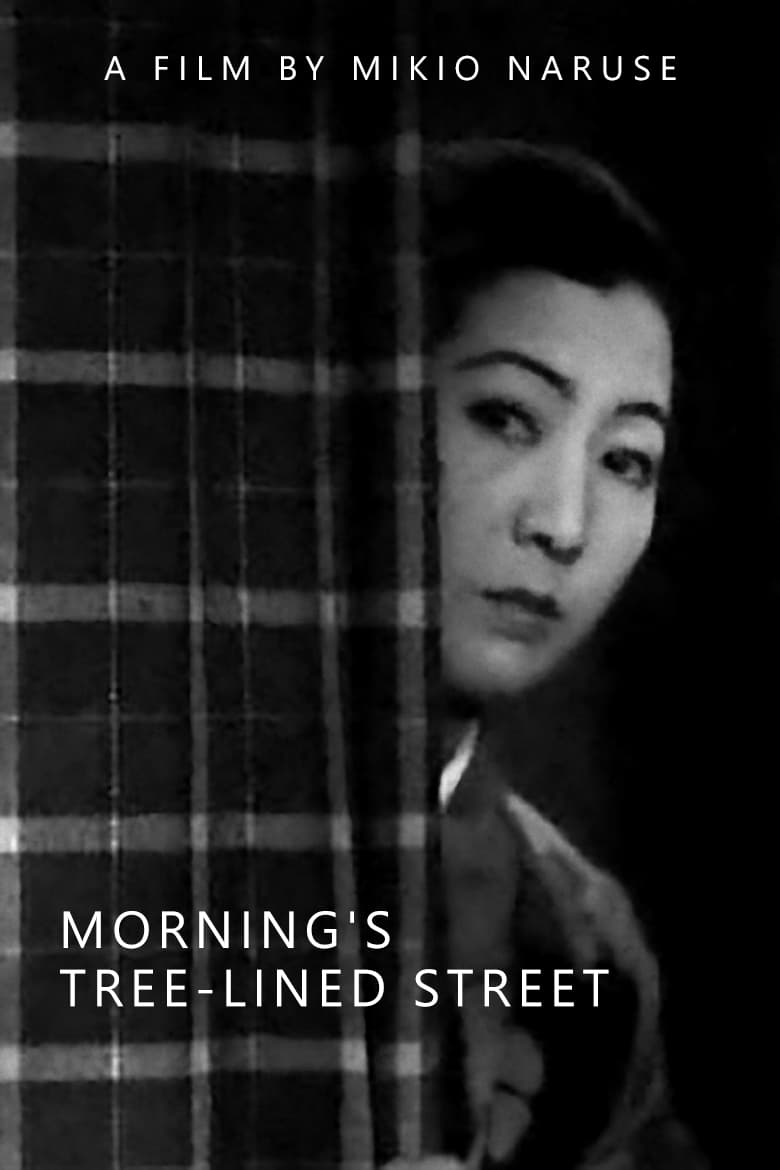
1936
Director
Mikio Naruse
Runtime
60 minutes
Average Rating
No ratings yetSynopsis
As suggested by the title, this film takes up the theme of the city, beginning with a series of traveling shots from Chiyo's point of view on a bus leaving the countryside and entering the metropolitan cityscape. After some fruitless job hunting in downtown Tokyo, Chiyo accepts a job as a bar hostess in Shiba ward. Well away from glamorous Asakusa and Ginza, this is a neighborhood bar where the women are dirt poor, each having only one kimono to their name....
Overall Score
Fair
Category Breakdown
LGBTQ+ Representation
The film lacks explicit evidence of queer narratives or non-heteronormative identities. While 1930s taverns often hosted marginalized social interactions, no specific LGBTQ+ themes are present.
Gender Representation
The story centers on female agency and the economic struggles of women in pre-war Tokyo. It subverts idealized feminine roles by focusing on labor and poverty rather than domestic stability.
Racial & Ethnic Diversity
As a domestic Japanese production, the cast appears ethnically homogeneous. The narrative focuses on internal class distinctions rather than multicultural or racial diversity.
Religious & Cultural Diversity
The film utilizes social realism to critique the perceived stability of 1930s social institutions. It highlights the hardships of the working class in Shiba ward against systemic economic failure.
Disability Representation
There is no mention of characters navigating physical or neurodivergent disabilities within the narrative.
Strengths
Areas for Improvement
AI Analysis
Mikio Naruse’s drama offers a gritty, realistic look at the economic precarity of working-class women in 1930s Tokyo. By centering on Chiyo’s transition into bar work, the film prioritizes female agency and the harsh realities of survival over sanitized domestic ideals. While the film provides a meaningful critique of socio-economic hierarchies, it lacks intersectional depth. The narrative is largely homogeneous, focusing on class within a singular ethnic context and offering no visible representation of LGBTQ+ identities or disability.
1934

1935

1951
1951

1933
1935
1933
1960
1944
1936

1935
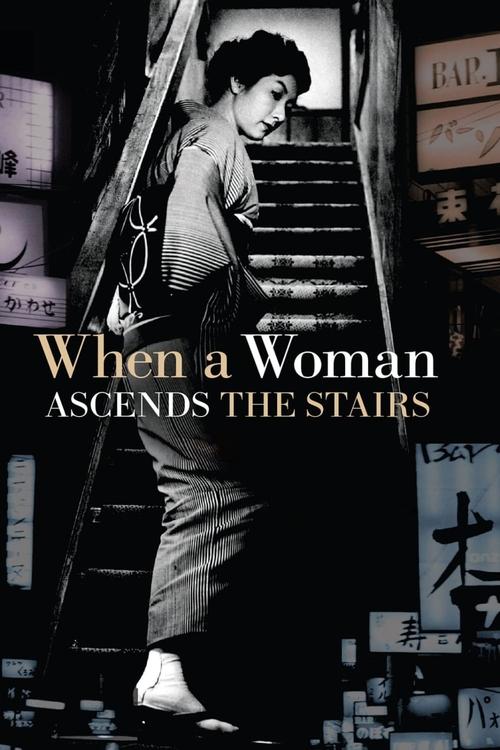
1960
No reviews yet. Be the first to share your thoughts on this movie!
Use the rating form above to leave a star rating and optional review.