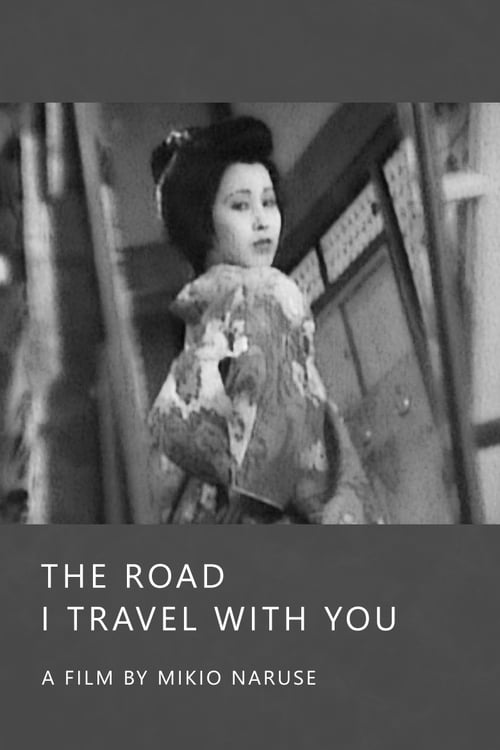
The Road I Travel with You
1936
No user ratings available yet
Diversity score: 5.5 out of 10
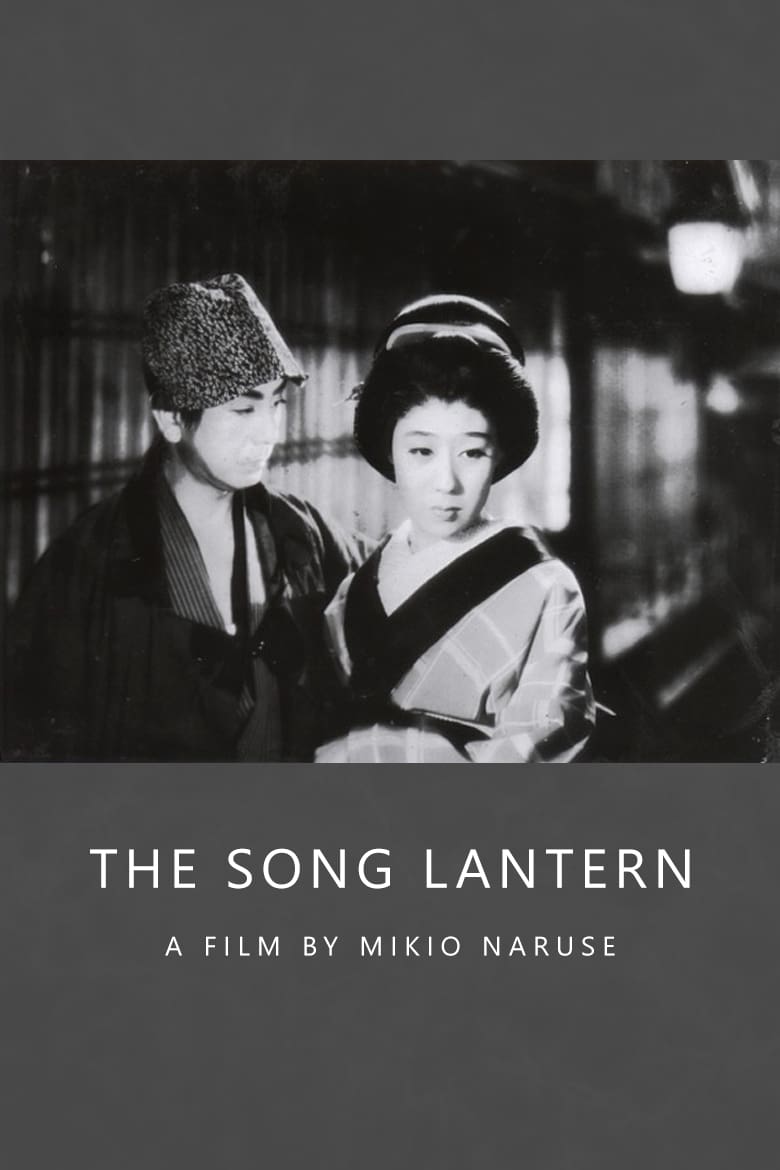
1943
Director
Mikio Naruse
Runtime
93 minutes
Average Rating
No ratings yetSynopsis
A self-absorbed young actor humiliates an elderly Noh performer, who then commits suicide. His act of cruelty compels his father to disown him, leading the once promising actor to a life on the streets. But his desire to win back the respect of his father and the affection of the dead actor's daughter pushes him toward a more noble existence. Naruse employed a delicately structured mise-en-scene in this family melodrama, which evokes the work of Josef von Sternberg.
Overall Score
Fair
Category Breakdown
LGBTQ+ Representation
The film focuses on traditional familial bonds and romantic pursuits. There is no explicit evidence of queer identities or non-heteronormative narratives within the story.
Gender Representation
Female characters, particularly the deceased performer's daughter, serve as a moral compass. They navigate the fallout of male ego, acting as catalysts for the protagonist's redemption.
Racial & Ethnic Diversity
The narrative centers on Japanese traditional arts like Noh performance. It provides a localized exploration of identity that asserts a non-Western aesthetic and philosophical framework.
Religious & Cultural Diversity
The story engages with rigid hierarchies and the social complexities of Japanese performing arts. It explores the devastating impact of losing face within a community.
Disability Representation
There is no evidence of characters with visible or invisible disabilities in this narrative.
Strengths
Areas for Improvement
AI Analysis
Mikio Naruse uses the disciplined world of Noh theater to craft a sophisticated melodrama centered on shame and redemption. The film moves away from traditional heroic tropes by focusing on a protagonist whose downfall is driven by his own lack of empathy and social ineptitude. While the film lacks contemporary Western identity markers, it offers a deep study of character agency within a highly structured social environment. It critiques how individual ego can disrupt the stability of both family and community. The work functions as a culturally specific text that explores the tension between individual desire and the constraints of societal expectation.
1936
1933
1934
1933
1951
1954

1935

1954
1958
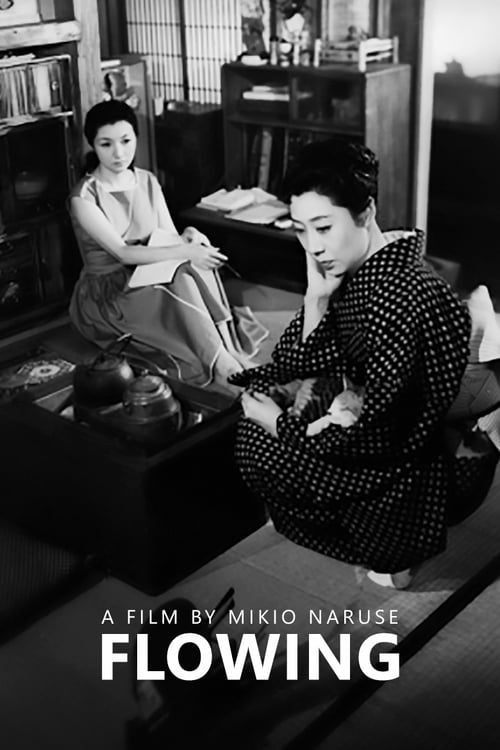
1956

1958

1937
No reviews yet. Be the first to share your thoughts on this movie!
Use the rating form above to leave a star rating and optional review.